L-Methionine

Industrial Production Sources of L-Methionine(For Additives & Fortification) To meet the high demand for L-methionine in food, feed, and pharmaceutical industries, large-scale industrial production is the primary source of purified L-methionine. Two main production routes dominate: (1) Chemical Synthesis The traditional and most widely used method involves synthesizing a racemic mixture (DL-methionine) from petrochemical raw materials (e.g., acrolein, methyl mercaptan, and ammonia). The racemate is then resolved into L-methionine (the biologically active isomer) via enzymatic or chemical resolution. This method is cost-effective, with high production capacity, and accounts for over 80% of global industrial output. DL-methionine is also directly used in animal feed (as animals can partially convert D-methionine to L-methionine), while purified L-methionine is used in human food and pharmaceuticals. (2) Biofermentation (Green & Sustainable Route) With the development of synthetic biology and industrial microbiology, biofermentation has emerged as an eco-friendly alternative to chemical synthesis. This process uses genetically engineered microorganisms (e.g., Corynebacterium glutamicum, Escherichia coli) to produce L-methionine from renewable substrates such as glucose (derived from corn or sugarcane), molasses, or glycerol. The microorganisms convert the carbon source into L-methionine through metabolic pathways optimized by gene editing, resulting in high-purity (≥98%) L-methionine without the need for resolution. Biofermentation is gaining traction due to its lower carbon footprint, compliance with green production policies, and growing demand for natural ingredients. Major manufacturers (e.g., Evonik, Adisseo, Meihua Biotech) are expanding fermentation-based production capacity, with this route expected to account for 30–40% of global supply by 2030.
Other supplier products
|
|
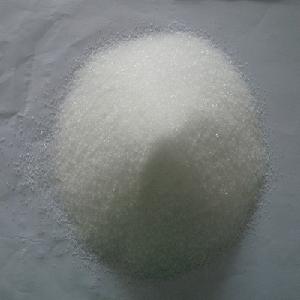
L-Methionine powder |
The sulfur-containing side chain of L-Methionine contributes to the structural integrity of keratin (the primary protein in skin, hair, and nails):... |
|
|
High quality Sucralose |
Safety Information for SucraloseDangerous Goods Mark: XiDangerous Goods Classification Code: 36/37/38Safety Instructions: 26 - 37/39 - 24/25WGK Ger... |
|
|
L-Threonine |
Industrial and Practical Implications Food and Feed Additives: L-Threonine’s solubility and stability make it suitable for fortifying foods a... |
|
|
DL-Alanine |
DL-Alanine is an α-amino acid that participates in human energy metabolism (via the glucose-alanine cycle, which helps remove excess ammonia ... |
|
|
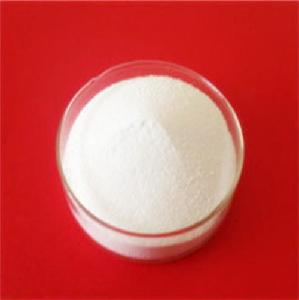
L-Methionine |
The methylthio group in L-Methionine is activated to form S-adenosylmethionine (SAM), the body’s "universal methyl donor," participating in o... |
供应产品
Same products
|
|
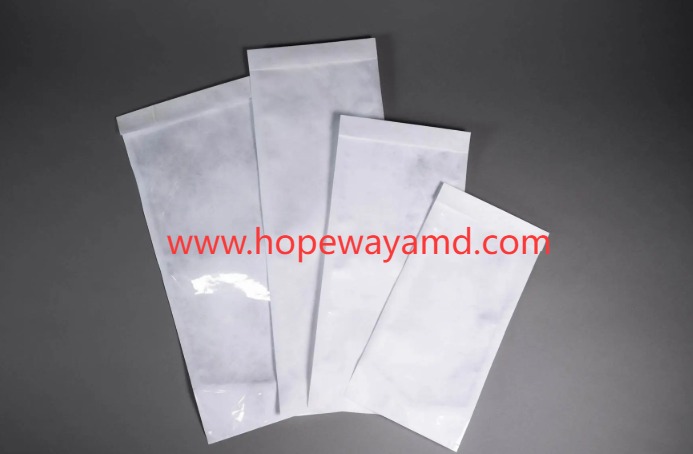
Heat Sealing Sterilization Pouch |
卖方: Hopeway AMD |
Heat Sealing Sterilization Pouch is designed for secure medical instrument packaging, supporting ... |
|
|
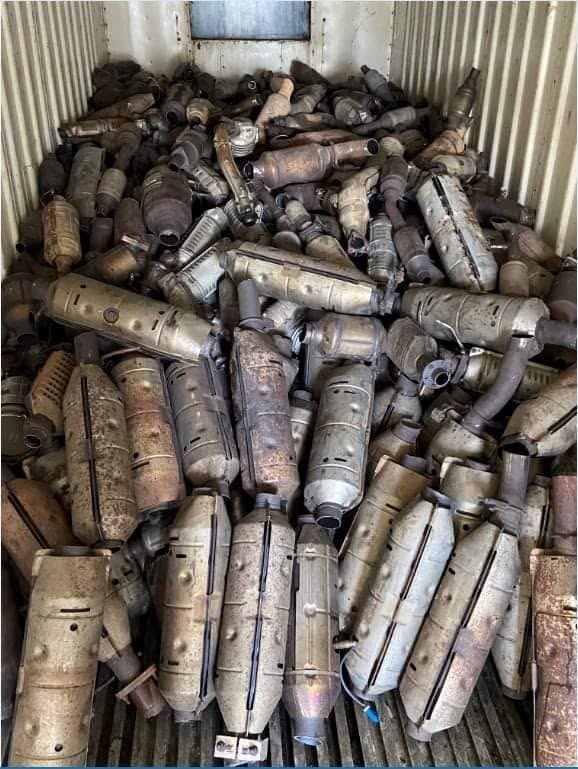
Catalytic Converter Scrap Supplier, Catalytic Converter Scrap for Sale, , Catalytic Converter Scrap, Catalytic Scrap for Sale, Catalytic Scrap Supplier, Scrap Catalytic Supplier |
卖方: Trucont LLC |
Trucont LLC 持续供应催化转化器废料,可立即装运发货。我们为全球各地的回收公司、金属加工商、汽车回收商、废料贸易商和买家提供优质的催化转化器废料。我们的催化转化器废料经过精心收集、分类... |
|
|
Epimedium Extract |
卖方: Fruit Powder,Vegetable Powder |
Product Name: Epimedium ExtractLatin Name: Epimedium Sagittatum Maxim.Specification: Icariin 5%, ... |
|
|
Pumpkin Powder |
卖方: Fruit Powder,Vegetable Powder |
Product Name: Pumpkin PowderLatin Name: Cucurbita pepo L.Used Part: FruitAppearance: yellow fine ... |
|
|
Broccoli Powder |
卖方: Fruit Powder,Vegetable Powder |
Product Name: Broccoli powder
Latin Name: Brassica oleracea L.var.italic Planch.
Used Part: Who... |