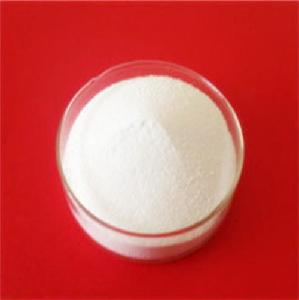
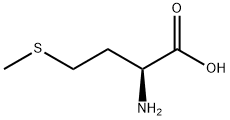
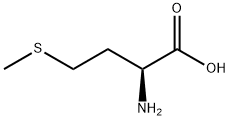
L-Methionine

The methylthio group in L-Methionine is activated to form S-adenosylmethionine (SAM), the body’s "universal methyl donor," participating in over 100 methyltransferase-catalyzed reactions that regulate critical biological processes: Nucleic acid methylation: Methylation of DNA and RNA influences gene expression (epigenetic regulation), with SAM donating methyl groups to cytosine residues in DNA. This process is essential for cell differentiation, embryonic development, and the prevention of abnormal gene activation (e.g., tumor suppressor gene silencing). Lipid metabolism: SAM methylates phosphatidylethanolamine to form phosphatidylcholine (a key component of cell membranes and bile acids), promoting fat transport from the liver and preventing fatty liver disease. It also regulates cholesterol synthesis by methylating sterols, reducing the risk of hypercholesterolemia. Neurotransmitter and hormone synthesis: SAM donates methyl groups for the synthesis of neurotransmitters such as epinephrine (from norepinephrine), choline (precursor of acetylcholine), and melatonin (sleep-regulating hormone). It also participates in the activation of thyroid hormones (conversion of T4 to active T3), supporting metabolic rate and cognitive function. Homocysteine metabolism: SAM is converted to S-adenosylhomocysteine (SAH) after methyl donation, which is then hydrolyzed to homocysteine. L-Methionine thus regulates homocysteine levels—deficiency can lead to hyperhomocysteinemia, a risk factor for cardiovascular disease and neurodegeneration.
Другие товары поставщика
|
|
DL-methionine powder |
DL-Methionine is the most widely used and largest-volume amino acid feed additive globally, playing an irreplaceable role in improving the nutritio... |
|
|
L-proline |
The physiological functions and applications of L-proline1. Functions within living organismsCollagen synthesis: As the main component of collagen ... |
|
|
L-Tyrosine |
Uses of L-Tyrosine 1. Improving Mental Performance: ·L-Tyrosine may enhance cognitive performance under stressful conditions, such as multit... |
|
|
Glycine |
Glycine is the smallest, simplest and most important natural amino acid. It is not only a fundamental substance for life but also an extremely vers... |
|
|
DL-methionine |
The α-amino group in DL-methionine has the typical reactivity of a primary amine and can participate in acylation, alkylation, and condensati... |
Все товары поставщика
Похожие товары
|
|
Стимулирующий гель для взрослых. Сексуальные игрушки. Стимулирующий гель для женщин |
Продавец: AmorSerere |
"**Название продукта:** Смазка для усиления удовольствия. Сексуальные товары для взрослых. Смазка... |
|
|
Индивидуальные экологичные лубриканты на заказ, в цилиндрической упаковке, лубриканты из высококачественной крафт-бумаги, OEM |
Продавец: AmorSerere |
"**Название продукта:** Индивидуальная смазка на заказ, экологически чистая, в цилиндрической упа... |
|
|
Прямые поставки с завода. Органическая водяная смазка с удлиняющим эффектом. Усиливает удовольствие. Смазка для интимного использования. |
Продавец: AmorSerere |
"**Название продукта:** Прямые поставки с завода. Органическая водяная смазка с удлиняющим эффект... |
|
|
OEM 60ML Menstrual Cup and Menstrual Disc Lube Gel Personal Lubricant |
Продавец: AmorSerere |
"**Название продукта:** OEM 60 мл Смазочный гель для менструальной чашки/менструального диска. Ин... |
|
|
Смазка с фруктовым ароматом, 200 мл, интимная смазка, гель с ароматом |
Продавец: AmorSerere |
"**Название продукта:** Смазка с фруктовым ароматом, 200 мл, интимная смазка, ароматизированный г... |