The Application of Inositol in Medicine

Inositol is an important bioactive substance with diverse physiological functions, and it has been widely applied in clinical auxiliary treatment, pharmaceutical preparation and medical nutritional intervention.
In metabolic related diseases, inositol can effectively regulate glucose and lipid metabolism. It improves insulin sensitivity, assists in intervening metabolic disorders, and exerts obvious auxiliary effects on fatty liver and abnormal blood lipid metabolism by promoting fat transportation and reducing lipid deposition in liver cells.
In reproductive medicine, inositol has become a key auxiliary therapeutic agent. It is commonly used to improve polycystic ovary syndrome, relieve endocrine disorders, regulate menstrual cycles and promote normal ovulation. Meanwhile, it can optimize the quality of oocytes and sperm, improve fertility conditions, and reduce the risk of adverse pregnancy outcomes in assisted reproductive treatment.
In neuropsychiatric medicine, inositol participates in intracellular signal transduction and nerve cell membrane synthesis. It helps stabilize nerve cell function, and is used for adjuvant improvement of mild anxiety, depression, obsessive-compulsive symptoms and sleep disorders. It regulates emotional and mental state through balancing neural metabolism, with mild action and high safety.
In clinical parenteral nutrition, high-purity pharmaceutical-grade inositol is added into compound amino acid infusion and special nutritional preparations. It meets the basic metabolic needs of critically ill patients, postoperative patients and patients with impaired eating function, maintaining cell membrane integrity and normal tissue and organ physiological activities.
In addition, inositol also has auxiliary application value in dermatology and chronic disease intervention. It regulates skin cell metabolism, improves abnormal keratinization and microcirculation, and assists in improving some inflammatory skin problems. With its good biocompatibility, low side effects and stable pharmacological properties, inositol has become a safe and reliable multifunctional medical raw material and auxiliary therapeutic substance in modern clinical medicine.
Другие товары поставщика
|
|
DL-Alanine |
Due to its mild sweetness and low calorie content, DL-Alanine is used as apartial sugar substitutein low-sugar or sugar-free foods, helping to main... |
|
|
L-Lysine monohydrochloride |
L-Lysine monohydrochloridehas a higher aqueous solubility than free L-lysine: ~70 g/100 mL at 25 °C (vs. ~63 g/100 mL for free L-lysine), with ... |
|
|
Sucralose |
Sucralose is also known as Trisodium Phosphate. It is a powerful food sweetener, with the trade name Splenda and the abbreviation TGS.Sucralose is ... |
|
|
DL-Alanine |
DL-Alanine is recognized asGenerally Recognized as Safe (GRAS)by major regulatory bodies (e.g., FDA in the U.S., EFSA in the EU, and CFSA in China)... |
|
|
L-leucine |
Functions in the Human BodyProtein Synthesis: It is a crucial component for building proteins. It combines with other amino acids through peptide b... |
Все товары поставщика
Похожие товары
|
|
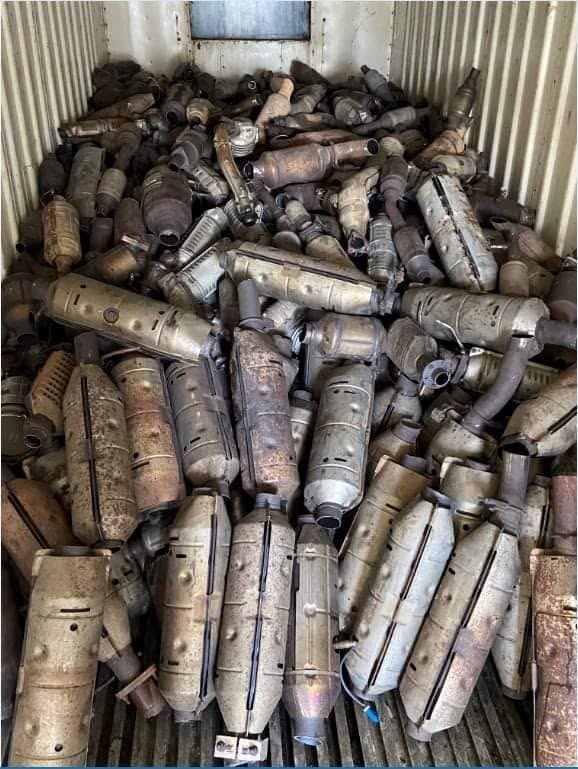
Catalytic Converter Scrap Supplier, Catalytic Converter Scrap for Sale, , Catalytic Converter Scrap, Catalytic Scrap for Sale, Catalytic Scrap Supplier, Scrap Catalytic Supplier |
Продавец: Trucont LLC |
В компании Trucont LLC мы постоянно предлагаем лом каталитических преобразователей для немедленно... |
|
|
Epimedium Extract |
Продавец: Fruit Powder,Vegetable Powder |
Product Name: Epimedium ExtractLatin Name: Epimedium Sagittatum Maxim.Specification: Icariin 5%, ... |
|
|
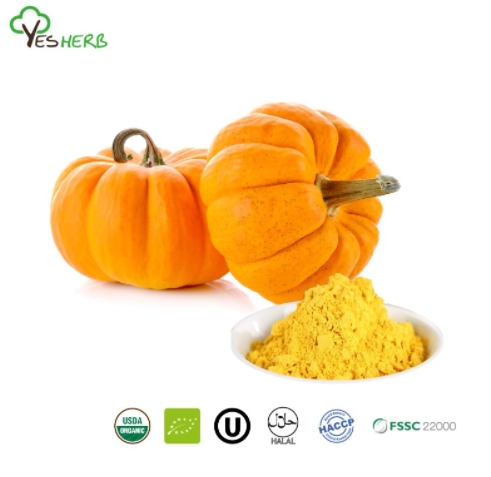
Pumpkin Powder |
Продавец: Fruit Powder,Vegetable Powder |
Product Name: Pumpkin PowderLatin Name: Cucurbita pepo L.Used Part: FruitAppearance: yellow fine ... |
|
|
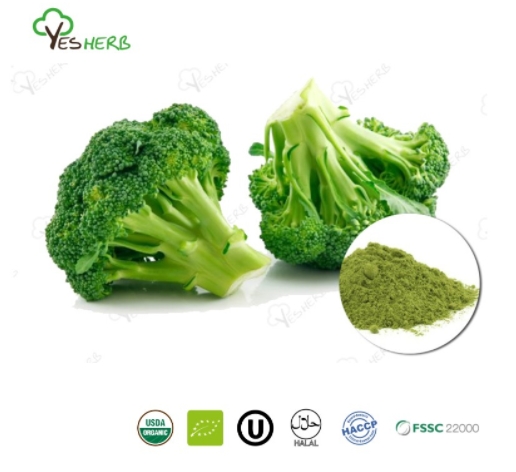
Broccoli Powder |
Продавец: Fruit Powder,Vegetable Powder |
Product Name: Broccoli powder
Latin Name: Brassica oleracea L.var.italic Planch.
Used Part: Who... |
|
|
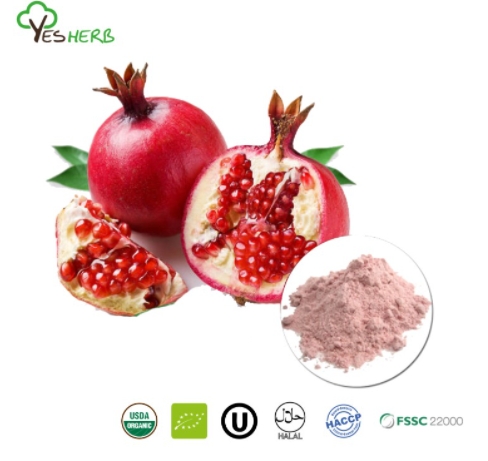
Pomegranate Powder |
Продавец: Fruit Powder,Vegetable Powder |
Product Name: Pomegranate PowderLatin Name: Punica granatum linn.Used Part: Fruit juiceAppearance... |