L-proline Supplier
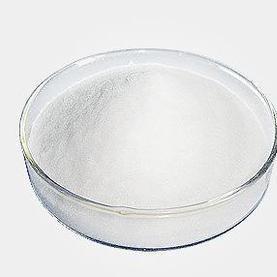
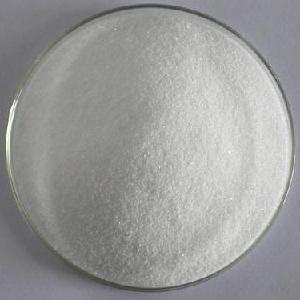
The biological functions of L-proline
Protein structure maintenance: L-proline is one of the 20 common amino acids that make up proteins. Its cyclic structure can affect the secondary structure of proteins, causing a turn in the direction of polypeptide chains and playing a key role in the structural formation and stability of proteins such as collagen. Collagen contains a large amount of proline and hydroxyproline, which are crucial for maintaining the triple helix structure and stability of collagen.
Participation in biological metabolism: In organisms, proline is involved in multiple metabolic pathways. It can serve as an energy source and provide energy for cells through a series of metabolic reactions. In addition, proline is also involved in processes such as nitrogen metabolism and osmotic pressure regulation.
Other supplier products
|
|
DL-Alanine Powder 302-72-7 |
DL-Alanine ishighly soluble in waterand has strong hygroscopicity (tendency to absorb moisture from the air). Moisture absorption causes the crysta... |
|
|
High quality DL-Methionine |
DL-Methionine, chemically designated asDL-2-amino-4-(methylthio)butanoic acid, is a racemic mixture consisting of equimolar quantities of L-methion... |
|
|
Glycine Supply price |
Physical properties of glycine1. Appearance and OdorAt room temperature, it is a white crystalline or crystalline powder, odorless, and sweet in ta... |
|
|
Chemical Properties of Inositol |
Chemical Properties of Inositol 1. Molecular structure and isomerism Inositol is a cyclic hexahydric alcohol with the molecular formula C6H12O6, co... |
|
|
Wholesale Glycine |
In the food and beverage industry, glycine is a legal and safe food additive, mainly used as a flavoring agent, flavor enhancer, buffer, and preser... |
All supplier products
Same products