L-proline
The biological functions of L-proline
Protein structure maintenance: L-proline is one of the 20 common amino acids that make up proteins. Its cyclic structure can affect the secondary structure of proteins, causing a turn in the direction of polypeptide chains and playing a key role in the structural formation and stability of proteins such as collagen. Collagen contains a large amount of proline and hydroxyproline, which are crucial for maintaining the triple helix structure and stability of collagen.
Participation in biological metabolism: In organisms, proline is involved in multiple metabolic pathways. It can serve as an energy source and provide energy for cells through a series of metabolic reactions. In addition, proline is also involved in processes such as nitrogen metabolism and osmotic pressure regulation.
Other supplier products
|
|
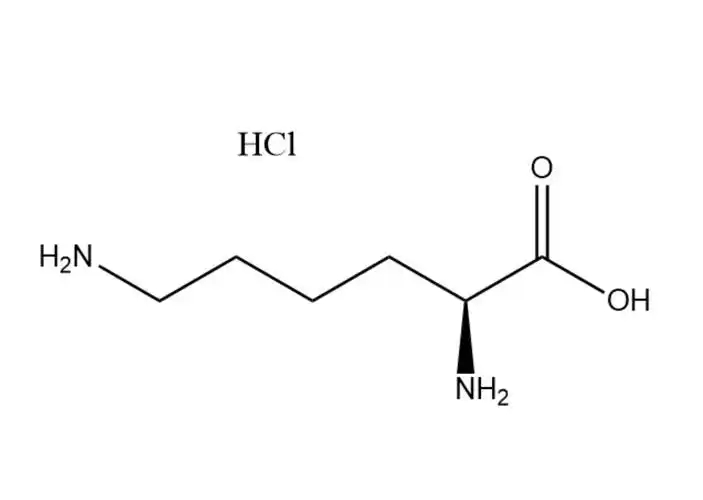
L-Lysine monohydrochloride |
Density and Refractive Index of L-Lysine monohydrochlorideBulk density: 0.6–0.8 g/cm³ (crystalline powder); tap density: 0.8–1.0 g... |
|
|
Chemical |
L-Methionine plays a pivotal role in maintaining liver function and preventing lipid accumulation: It promotes fatty acid oxidation: By supporting ... |
|
|
DL-Alanine |
DL-Alanine has a subtle sweet taste (about 60% of the sweetness of sucrose) and the ability to enhance umami (savory) flavors—a key advantage... |
|
|
Precautions for the Use of Inositol |
Precautions for the Use of Inositol 1. Controlled dosage administration Follow the recommended daily dosage for oral use. Excessive long-term intak... |
|
|
DL-Methionine |
Appearance and Crystal Morphology of DL-MethionineAt room temperature and normal pressure, DL-methionine exists as a white, odorless crystalline po... |
供应产品
Same products