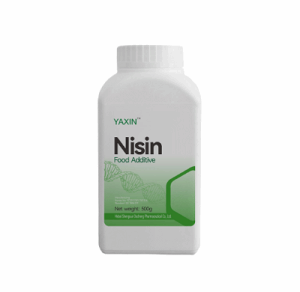
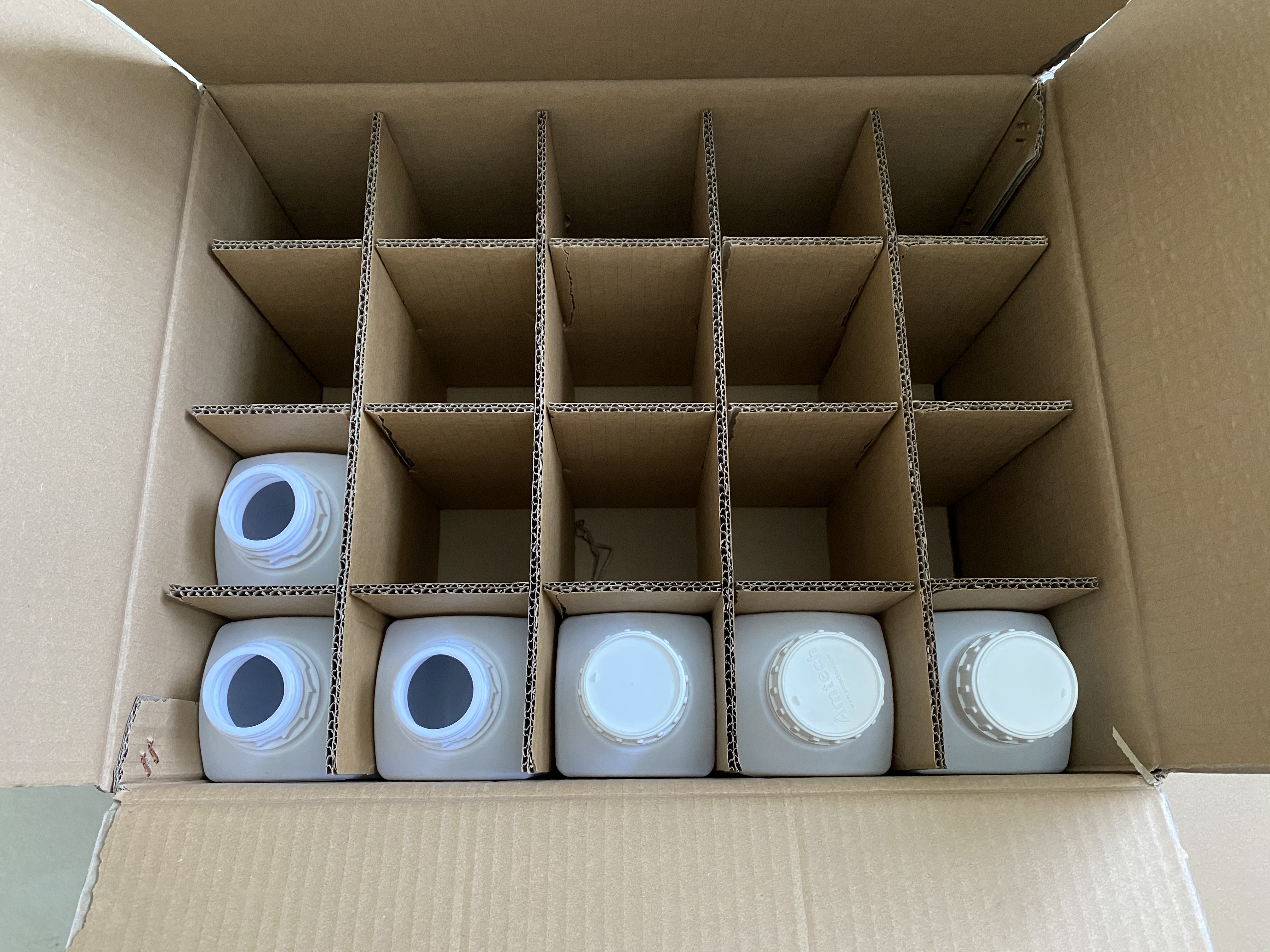
Nisin 500g
The antibacterial mechanism of Nisin does not affect human cells
Nisin exerts its antibacterial effect by destroying the cell membranes of bacteria, especially Gram-positive bacteria such as Staphylococcus aureus and Listeria. However, the cell membrane structure of human cells (such as animal cells) is significantly different from that of bacteria (without a peptidoglycan layer), and Nisin cannot bind to them, thus being non-toxic to human cells.
It has a relatively weak effect on Gram-negative bacteria (such as Escherichia coli) and needs to be used in combination with an acidic environment or chelating agents (such as EDTA) to further reduce the impact on the normal intestinal flora of the human body.
Другие товары поставщика
|
|
Food additive |
Nisin remains active over a broad pH range, making it suitable for application in acidic as well as neutral or mildly alkaline foods.This pH tolera... |
|
|
Nisin’s stability |
Interaction with Food Matrix Nisin’s stability is significantly influenced by food components: Proteins and Fats: In high-protein or high-fat... |
|
|
Nisin Raw Material 1kg |
Nisin is generally safe for long-term use, with minimal side effects: Common side effects: Mild GI discomfort (e.g., bloating, gas) in <5% of us... |
|
|
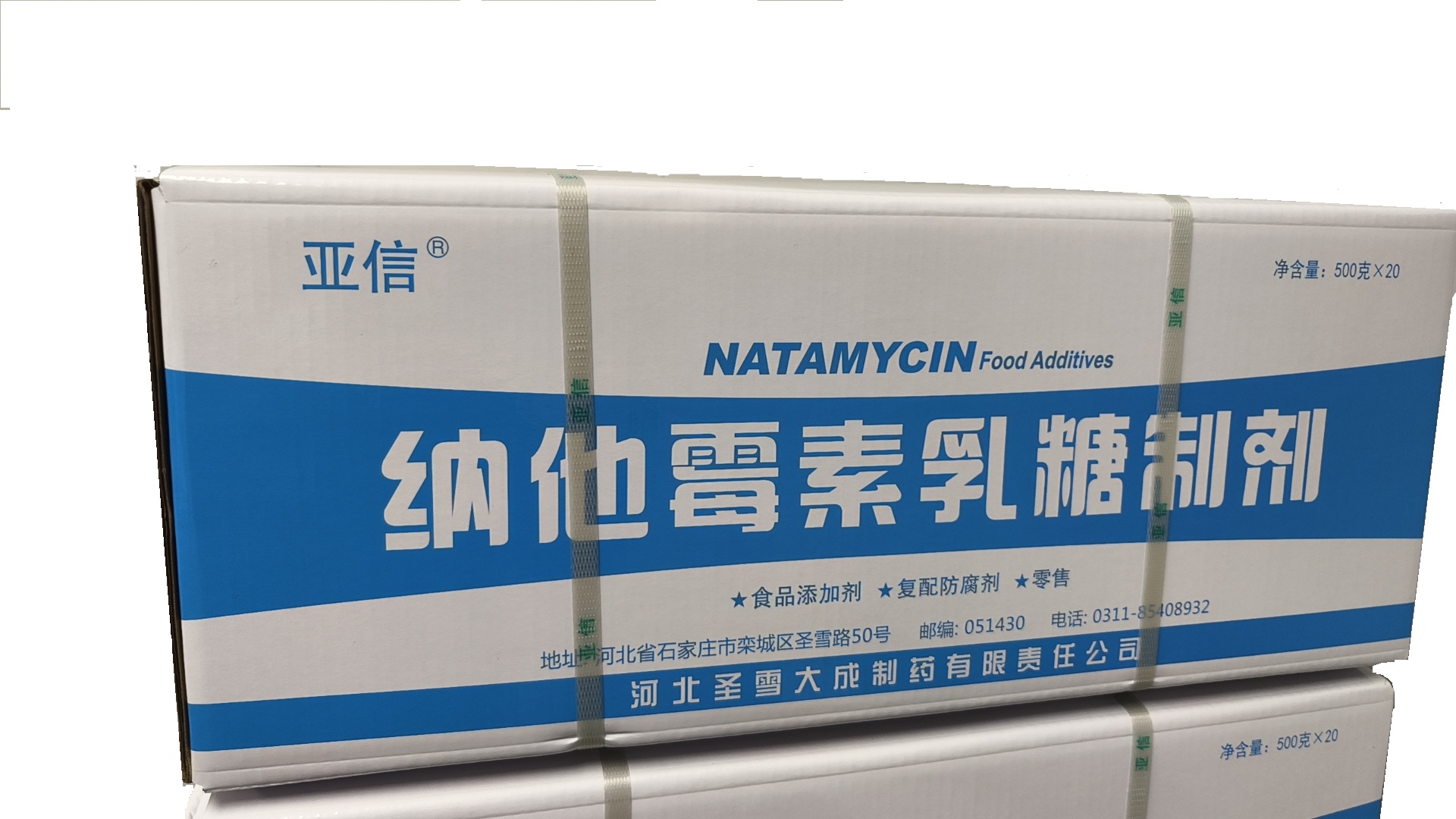
Natamycin 7681-93-8 |
The action mechanism of natamycin is mainly through the specific binding with ergosterol on the fungal cell membrane, destroying the structure and ... |
|
|
Erythromycin Thiocyanate Soluble Powder |
Erythromycin Thiocyanate Soluble Powder is a type of macrolide antibiotic used to treat bacterial infections in various animal species. It is a bro... |
Все товары поставщика
Похожие товары