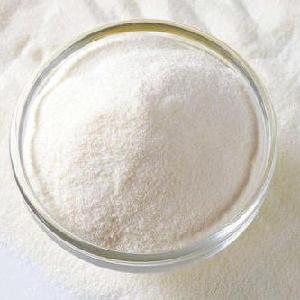
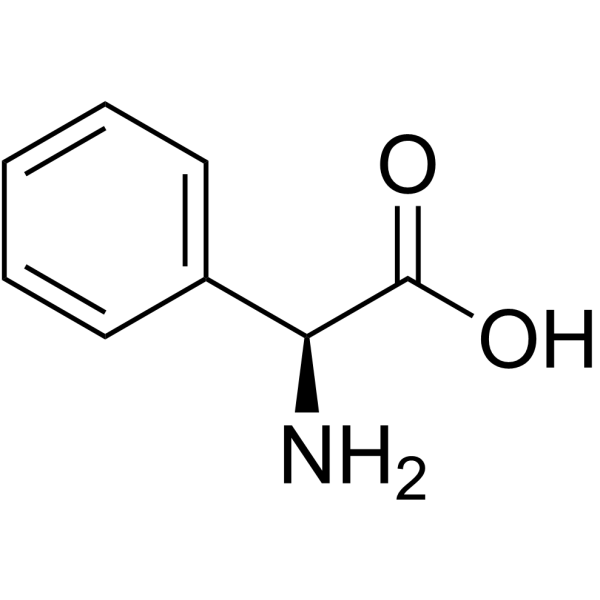
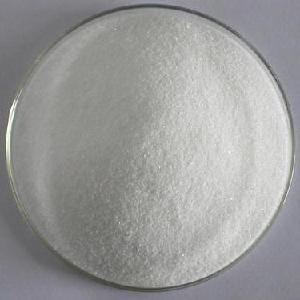
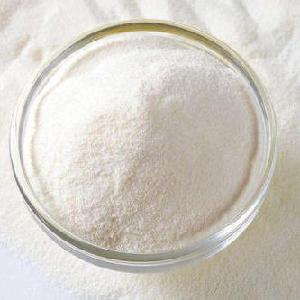
L-Threonine
Thermal and Chemical Stability of L-Threonine
Heat Resistance: Stable under normal storage conditions but decomposes near its melting point. Prolonged exposure to high temperatures (e.g., above 100°C) can cause degradation, especially in the presence of moisture.
pH Stability: Relatively stable in neutral to slightly acidic/basic solutions but may degrade in strongly acidic (pH < 2) or basic (pH > 10) conditions over time.
Oxidation Sensitivity: The hydroxyl group on the β-carbon makes L-threonine slightly susceptible to oxidation under harsh conditions, though it is more stable than amino acids with thiol groups (e.g., cysteine).
Другие товары поставщика
|
|
Glycine |
In the food and beverage industry, glycine is a legal and safe food additive, mainly used as a flavoring agent, flavor enhancer, buffer, and preser... |
|
|
Glycine |
In the field of medicine and health, glycine is an important raw material drug, drug intermediate, and nutritional supplement. It can be directly u... |
|
|
L-proline |
L-proline, to ensure its stable quality and performance, certain conditions need to be met during storage. The following is a detailed introduction... |
|
|
Glycine |
Glycine is a very simple α-amino acid with the widest range of applications among the non-essential amino acids in the human body. Due to its... |
|
|
L-Threonine |
Physical Properties of L-Threonine Molecular Formula C₄H₉NO₃ (molecular weight: 119.12 g/mol). Appearance and State White to off-white crystalline ... |
Все товары поставщика
Похожие товары