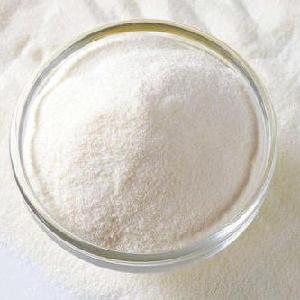
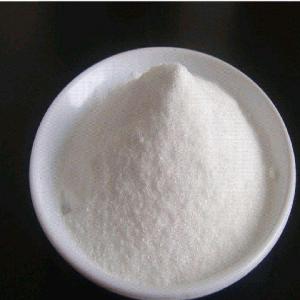
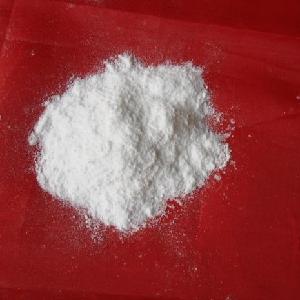
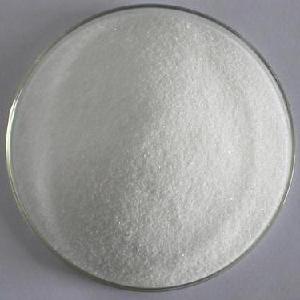
L-Threonine 72-19-5
Thermal and Chemical Stability of L-Threonine
Heat Resistance: Stable under normal storage conditions but decomposes near its melting point. Prolonged exposure to high temperatures (e.g., above 100°C) can cause degradation, especially in the presence of moisture.
pH Stability: Relatively stable in neutral to slightly acidic/basic solutions but may degrade in strongly acidic (pH < 2) or basic (pH > 10) conditions over time.
Oxidation Sensitivity: The hydroxyl group on the β-carbon makes L-threonine slightly susceptible to oxidation under harsh conditions, though it is more stable than amino acids with thiol groups (e.g., cysteine).
Other supplier products
|
|
Sucralose Marke quotation |
Sucralose is a high-sweetness agent obtained by replacing the hydroxyl groups at positions 4, 1', and 6' of sucrose molecules with chlorine atoms. ... |
|
|
Fish collagen peptides Manufacturer |
Fish collagen peptides are a type of protein derivative obtained from fish. Here are the main aspects about them:
Source: They are mainly extract... |
|
|
L-Phenylalanine Supplier |
L-Phenylalanine is an essential amino acid that plays a critical role in protein synthesis and the production of important compounds in the body, i... |
|
|
Glycine Marke quotation |
Glycine has three reaction centers: amino group, carboxyl group, and methylene group. It has typical and diverse chemical properties.1. Ampholytic ... |
|
|
L-Methionine 63-68-3 |
Core Biological Functions of L-Methionine Protein Synthesis Precursor: As an essential amino acid, L-Methionine is a fundamental building block for... |
All supplier products
Same products