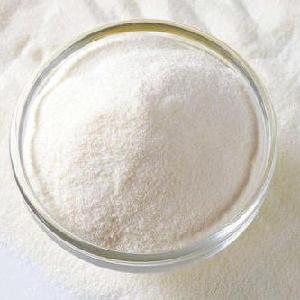
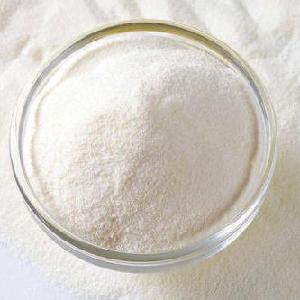
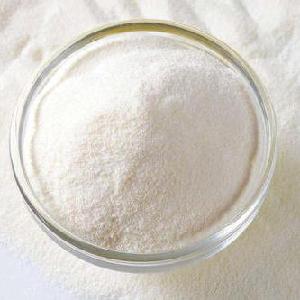
L-Threonine
Thermal and Chemical Stability of L-Threonine
Heat Resistance: Stable under normal storage conditions but decomposes near its melting point. Prolonged exposure to high temperatures (e.g., above 100°C) can cause degradation, especially in the presence of moisture.
pH Stability: Relatively stable in neutral to slightly acidic/basic solutions but may degrade in strongly acidic (pH < 2) or basic (pH > 10) conditions over time.
Oxidation Sensitivity: The hydroxyl group on the β-carbon makes L-threonine slightly susceptible to oxidation under harsh conditions, though it is more stable than amino acids with thiol groups (e.g., cysteine).
Other supplier products
|
|
L-Threonine |
Industrial and Practical Implications Food and Feed Additives: L-Threonine’s solubility and stability make it suitable for fortifying foods a... |
|
|
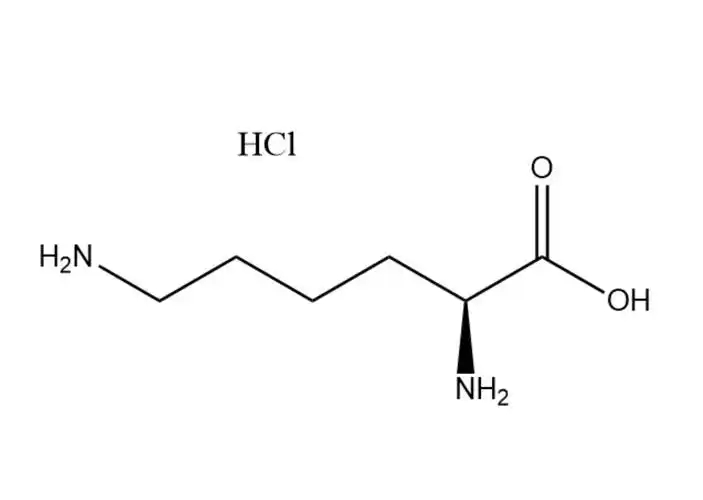
L-Lysine monohydrochloride |
Density and Refractive Index of L-Lysine monohydrochlorideBulk density: 0.6–0.8 g/cm³ (crystalline powder); tap density: 0.8–1.0 g... |
|
|
L-tryptophan |
L-tryptophan’s physical and chemical properties—rooted in its indole ring structure and amphoteric nature—dictate its stability, ... |
|
|
L-Threonine |
L-Threonine is an essential amino acid with specific physical properties that influence its behavior in biological systems and industrial applicati... |
|
|
L-Tyrosine |
Uses of L-Tyrosine 1. Improving Mental Performance: ·L-Tyrosine may enhance cognitive performance under stressful conditions, such as multit... |
供应产品
Same products