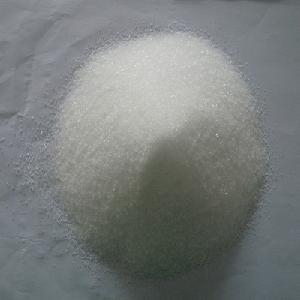
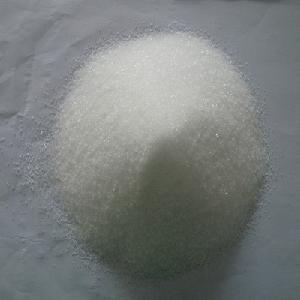
DL-Alanine
DL-Alanine is recognized asGenerally Recognized as Safe (GRAS)by major regulatory bodies (e.g., FDA in the U.S., EFSA in the EU, and CFSA in China). Its maximum allowable addition level varies by food category (e.g., 0.5% in seasonings, 1% in sports drinks), but it is considered safe when used within recommended limits.
DL-Alanine’s role in the food industry is multifaceted—from enhancing flavor and nutrition to improving texture and shelf life. Its cost-effectiveness (compared to pure L-Alanine) further makes it a preferred additive for large-scale food production.
Другие товары поставщика
|
|
Inulin Powder Supplier |
Product Introduction Inulin powder, derived from Jerusalem artichoke or chicory, is a natural fructooligosaccharide consisting of a fructose comple... |
|
|
DL-Alanine |
DL-Alanine is not a direct, primary food preservative like traditional preservatives (e.g., Nisin, sodium benzoate, potassium sorbate) whose core f... |
|
|
L-Cysteine hydrochloride monohydrate |
Environmental ConditionsTemperature ControlStore at Room Temperature: Ideally between 15–25°C (59–77°F). Avoid extreme heat or ... |
|
|
The Application of Inositol in the Food Industry |
Inositol, as a natural and safe functional food ingredient and a vital vitamin‑like nutrient, has been widely applied in the modern food industry d... |
|
|
The Quality Grade of Inositol |
Inositol is classified into four mainstream quality grades according to purity, impurity control, production specifications and applicable fields, ... |
Все товары поставщика
Похожие товары