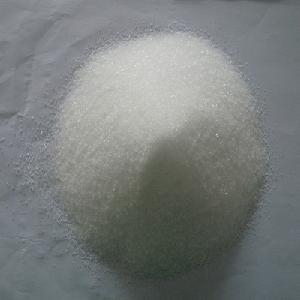
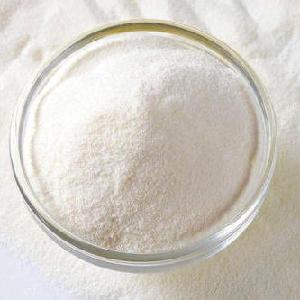
High quality DL-Alanine
DL-Alanine is recognized asGenerally Recognized as Safe (GRAS)by major regulatory bodies (e.g., FDA in the U.S., EFSA in the EU, and CFSA in China). Its maximum allowable addition level varies by food category (e.g., 0.5% in seasonings, 1% in sports drinks), but it is considered safe when used within recommended limits.
DL-Alanine’s role in the food industry is multifaceted—from enhancing flavor and nutrition to improving texture and shelf life. Its cost-effectiveness (compared to pure L-Alanine) further makes it a preferred additive for large-scale food production.
Other supplier products
|
|
L-Lysine monohydrochloride |
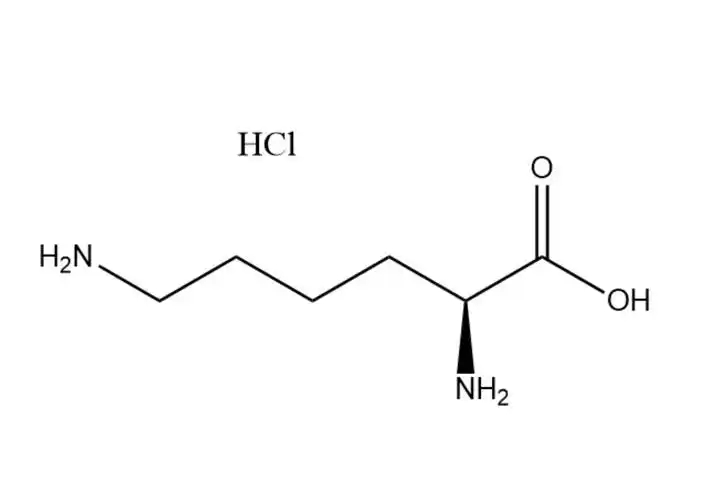
L-Lysine monohydrochloride (molecular formula: C6H14N2O2⋅HCl, CAS No.: 657-27-2) is the hydrochloride salt form of L-lysine—an essen... |
|
|
L-Threonine Market quotation |
L-Threonine Improves Food Texture and Functionality Dough Conditioner in Baking: Enhances gluten network formation, improving dough elasticity and ... |
|
|
DL-Alanine Powder Price |
The original commercial packaging of DL-Alanine is designed for its stability:
Unopened products: Keep in the original sealed bag/bucket (usually... |
|
|
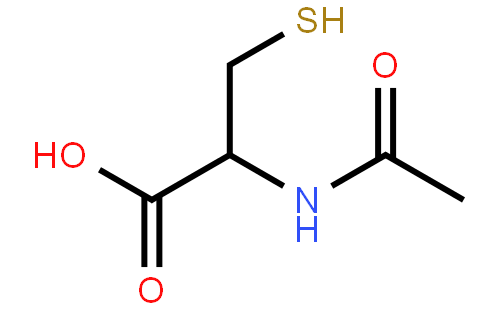
High quality N-Acetyl-L-Cysteine |
N-Acetyl-L-Cysteine, often abbreviated as NAC, is a derivative of the amino acid cysteine. Here is a detailed introduction:
Basic Information
Chem... |
|
|
L-leucine Manufacturer 61-90-5 |
L - leucine has several notable performance characteristics related to its physical and chemical properties, as well as its role in biological syst... |
All supplier products
Same products