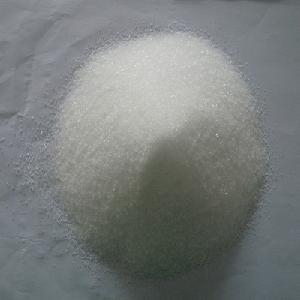
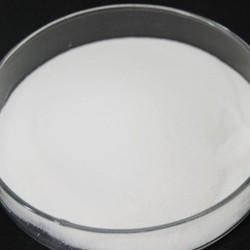
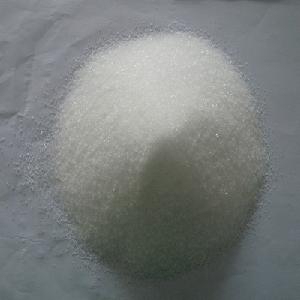
DL-Alanine
DL-Alanine is recognized asGenerally Recognized as Safe (GRAS)by major regulatory bodies (e.g., FDA in the U.S., EFSA in the EU, and CFSA in China). Its maximum allowable addition level varies by food category (e.g., 0.5% in seasonings, 1% in sports drinks), but it is considered safe when used within recommended limits.
DL-Alanine’s role in the food industry is multifaceted—from enhancing flavor and nutrition to improving texture and shelf life. Its cost-effectiveness (compared to pure L-Alanine) further makes it a preferred additive for large-scale food production.
Other supplier products
|
|
L-proline |
The uses of L-prolineIn the field of medicine: In the pharmaceutical industry, L-proline can be used as a raw material for amino acid infusions, an... |
|
|
DL-methionine powder |
DL-Methionine is the most widely used and largest-volume amino acid feed additive globally, playing an irreplaceable role in improving the nutritio... |
|
|
L-leucine |
L - leucine has several notable performance characteristics related to its physical and chemical properties, as well as its role in biological syst... |
|
|
L-leucine |
Basic InformationChemical Formula: C6H13NO2Molecular Weight: 131.17 g/molStructure: It has a branched - chain structure with a carboxyl group (-COO... |
|
|
DL-Alanine Powder |
Ultraviolet (UV) light and intense visible light can accelerate the oxidation of DL-Alanine’s amino group (-NH₂), leading to the formation of... |
供应产品
Same products