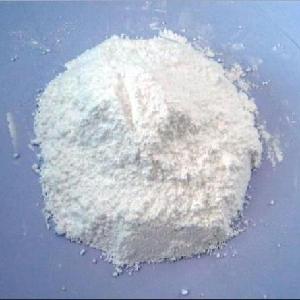
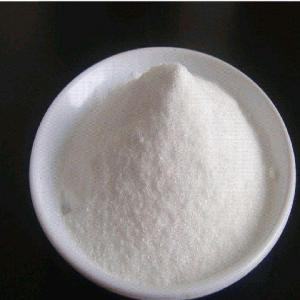
DL-Alanine

While not a direct preservative, DL-Alanine can indirectly help maintain food quality and extend shelf life through two auxiliary mechanisms: 1. Modulating water activity (aᵥ) to reduce microbial growth potential Water activity (aᵥ) is a critical factor for microbial growth—most spoilage bacteria require an aᵥ > 0.85 to proliferate. DL-Alanine is highly soluble in water, and when added to food, it binds to free water molecules (via hydrogen bonding between its amino/carboxyl groups and water). This slightly lowers the food’s aᵥ, creating a less favorable environment for microbial growth. Example: In baked goods (e.g., bread, pastries) or low-moisture snacks (e.g., cereal bars), adding 0.2%–0.5% DL-Alanine can reduce aᵥ by ~0.02–0.05, slowing mold growth and extending shelf life by 2–3 days. However, this effect is mild compared to dedicated humectants (e.g., glycerin) or preservatives (e.g., calcium propionate, which directly inhibits mold). 2. Antioxidant synergy to reduce nutrient degradation and rancidity DL-Alanine can chelate trace metal ions (e.g., iron, copper) present in food. These metal ions act as catalysts for lipid peroxidation (which causes fatty foods to become rancid) and nutrient oxidation (e.g., degradation of vitamin C or B vitamins). By binding these ions, DL-Alanine indirectly slows down oxidative deterioration: Example: In fried snacks (e.g., potato chips) or nut butters, adding small amounts of DL-Alanine (0.1%–0.3%) can delay the development of "rancid off-flavors" by reducing lipid oxidation, extending the product’s sensory shelf life. However, this is a secondary effect—primary antioxidants (e.g., vitamin E, rosemary extract) are still required for robust oxidation control.
Другие товары поставщика
|
|
Sucralose |
Sucralose is a high-sweetness agent obtained by replacing the hydroxyl groups at positions 4, 1', and 6' of sucrose molecules with chlorine atoms. ... |
|
|
DL-Methionine |
DL-Methionine has multiple coordination sites (amino nitrogen, carboxylate oxygen, and sulfur atom in the methylthio group), enabling it to form st... |
|
|
L-tryptophan |
L-tryptophan’s stability is influenced by food processing conditions, requiring careful handling: Sensitivity to heat and light: High-tempera... |
|
|
L-Cysteine hydrochloride monohydrate |
Chemical Structure and PropertiesMolecular FormulaChemical Formula:C3H7NO2S· HCl· H2O Molecular Weight: Approximately 175.64 g/molStr... |
|
|
Sucralose |
Sucralose is a non-nutritive sweetener that is widely used in industries such as beverages, food, medicine, and cosmetics. As it is a new type of n... |
Все товары поставщика
Похожие товары