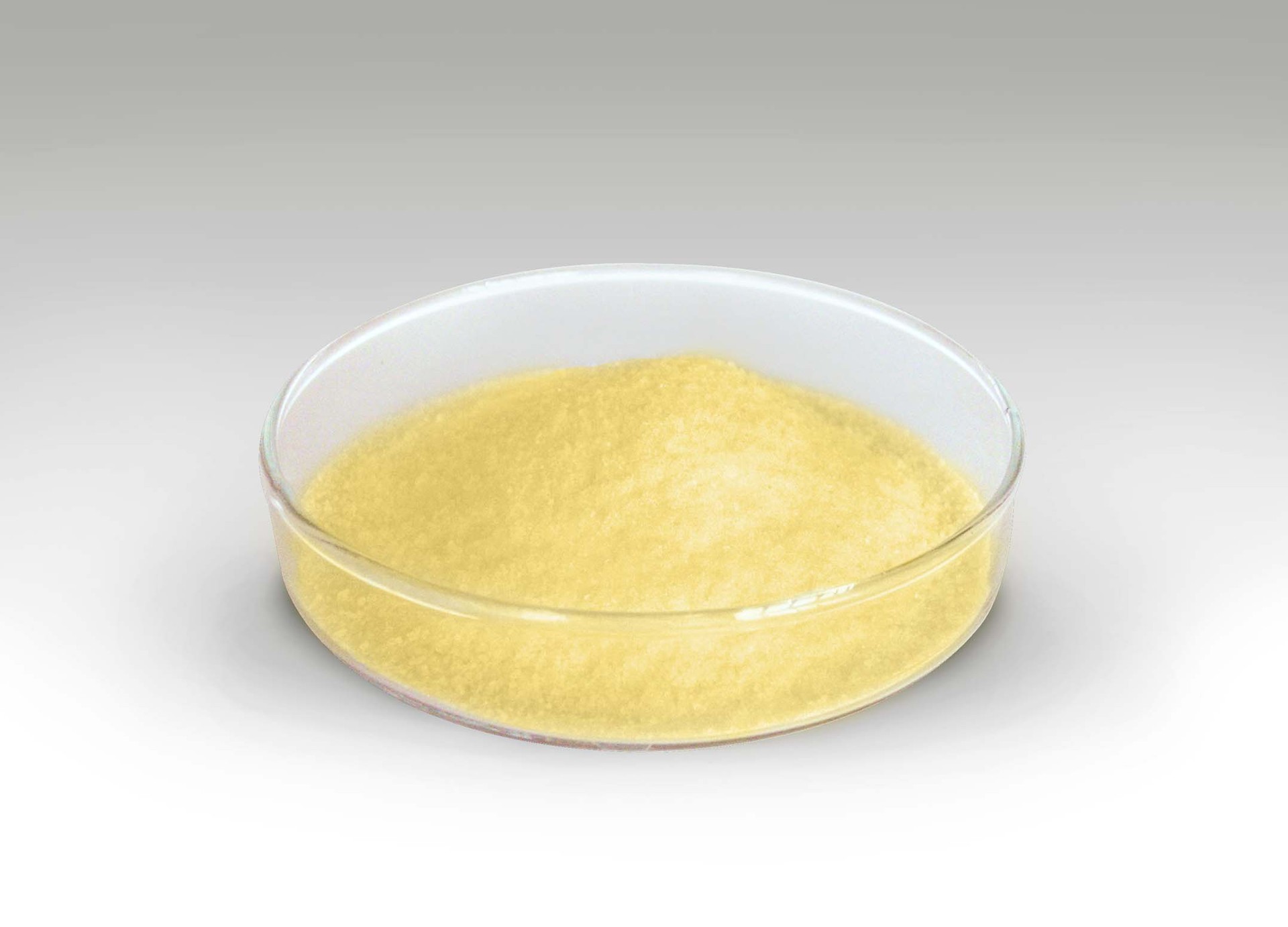
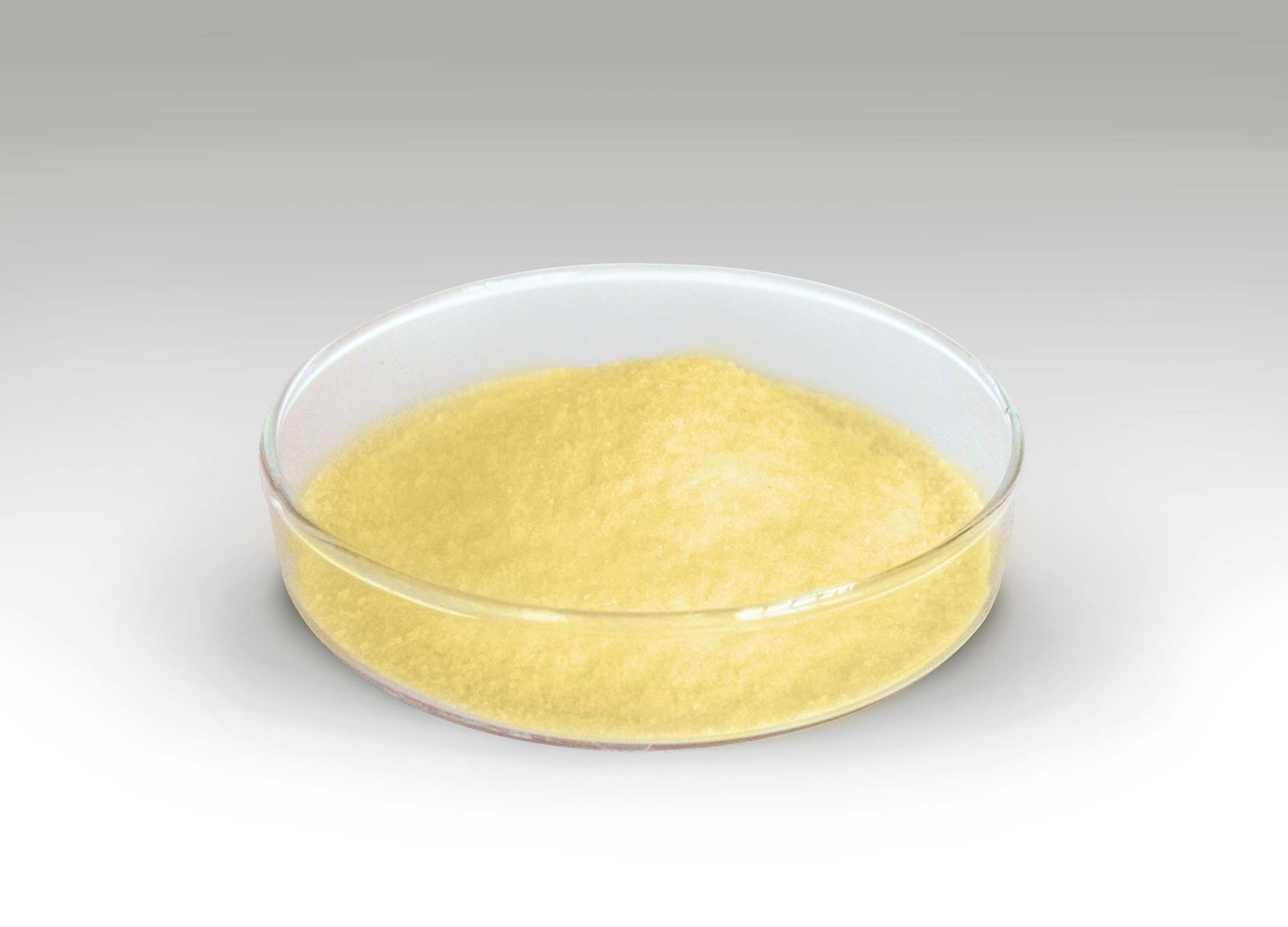
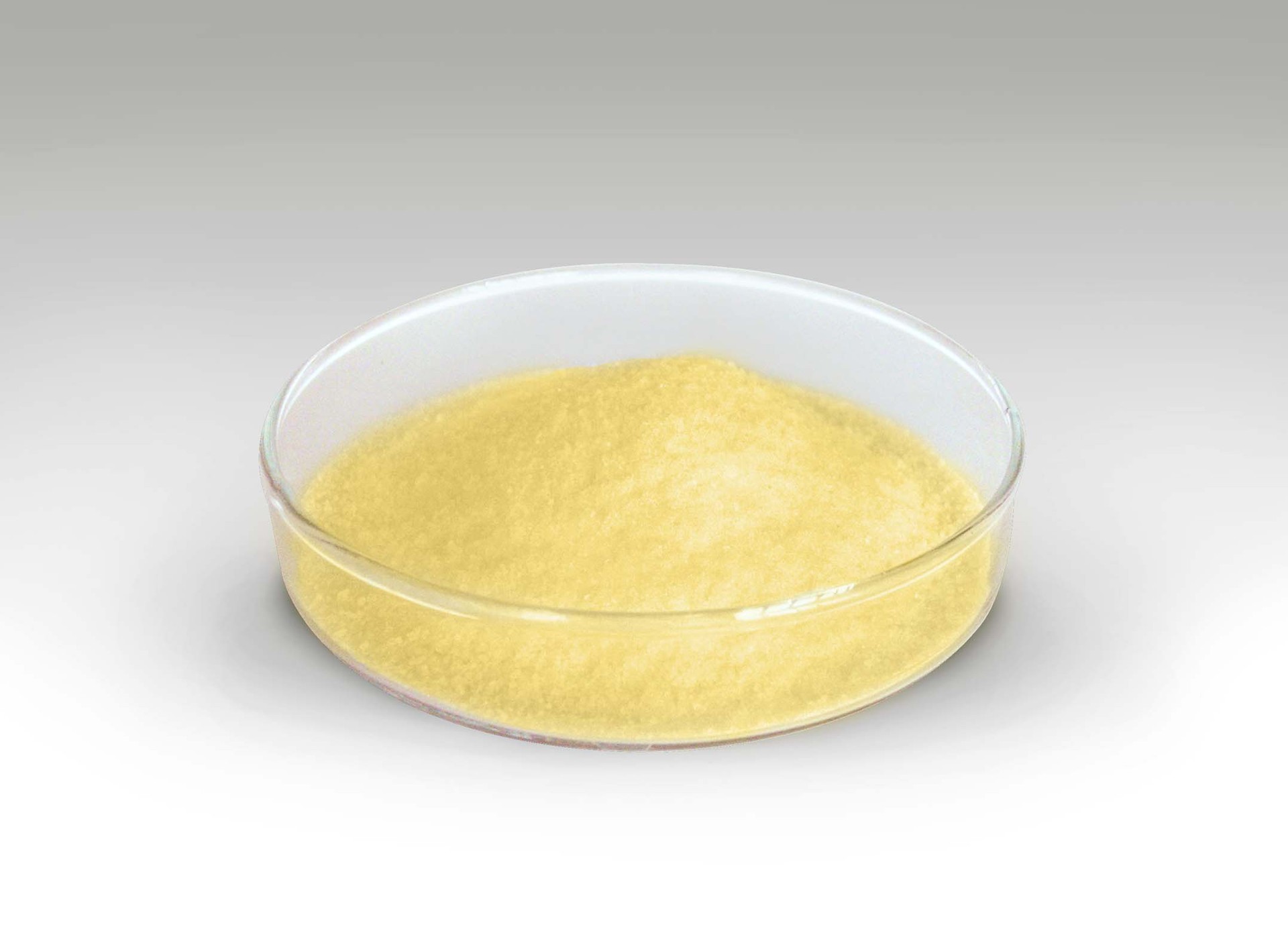
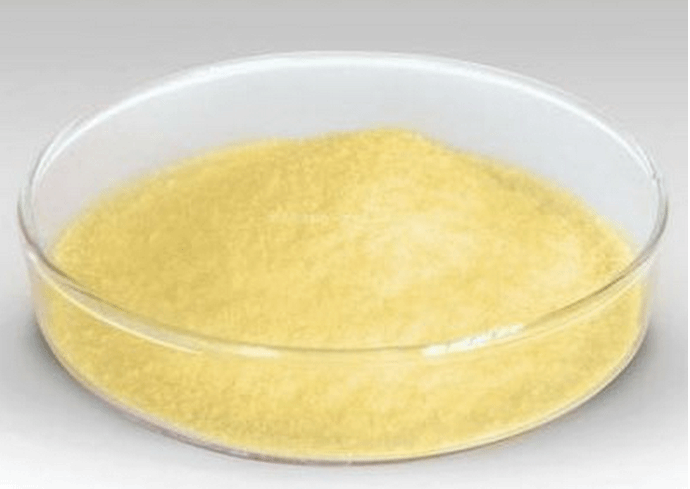
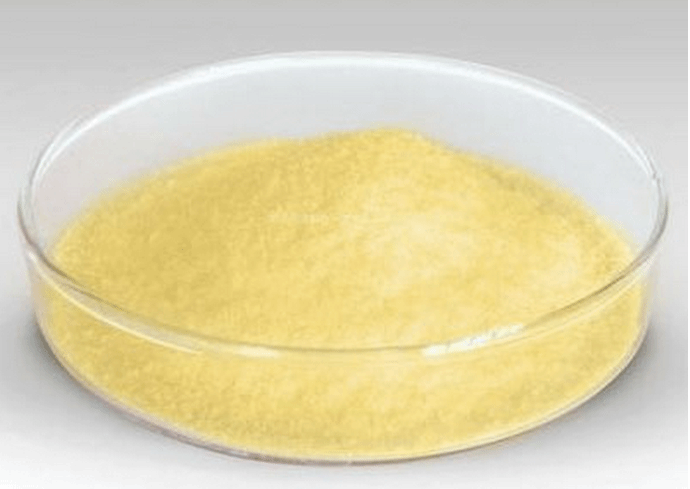
Phospholipid Powder
Phospholipids (e.g., lecithin from soybeans, egg yolks, or sunflower seeds) stand out in food processing due to their unique structural and functional traits, adapting to multiple product types and processing needs.
Their amphiphilic structure (with hydrophilic phosphate groups and hydrophobic fatty acid chains) enables multiple functions, reducing the need for multiple additives:
- Primary emulsifier: The most common use—stabilizing oil-water mixtures that are prone to separation. For example:
- In dairy products (milk drinks, ice cream): Prevents fat globule aggregation, making the texture smoother and extending shelf life by 10%–15%.
- In bakery products (bread, cakes): Emulsifies oil and water in dough, improving dough elasticity and reducing staling (stale rate decreases by 20%–30%).
- Nutritional fortifier: As a source of essential fatty acids (e.g., linoleic acid) and choline, it enhances the nutritional value of foods. For instance:
- In infant formula: Added to supplement choline (supports brain development) and improve the absorption of fat-soluble vitamins (A, D, E).
- In functional foods (protein bars, meal replacements): Used as a natural nutrient to replace synthetic additives, aligning with "clean label" trends.
- Texture modifier & antioxidant aid:
- In chocolate: Reduces viscosity during processing, making it easier to mold and giving a glossy surface; also slows fat bloom (white spots on the surface) by 50%–60%.
- In meat products (sausages, ham): Binds water and fat, reducing cooking loss (loss rate drops from 15% to 8%–10%) and keeping the texture tender.
Phospholipids work well with most food ingredients and processing conditions, with strong adaptability:
- pH stability: Effective in a wide pH range (3.0–8.0), suitable for acidic foods (fruit juices, yogurt) and neutral foods (milk, bread) without losing functionality.
- Heat resistance: Maintains emulsifying activity at temperatures up to 120°C (common in baking or sterilization), unlike fragile emulsifiers (e.g., some plant gums that degrade at high temperatures).
- Compatibility with other additives: Synergizes with stabilizers (e.g., carrageenan, xanthan gum) to enhance stability, or with antioxidants (e.g., vitamin E) to extend the shelf life of oil-rich foods (fried snacks, cooking oils).
Most commercial phospholipids are extracted from natural sources (soybeans account for ~80% of global production, followed by egg yolks), with no synthetic chemical residues. This makes them ideal for replacing synthetic emulsifiers (e.g., sodium stearoyl lactylate, SSL) in products targeting health-conscious consumers. For example:
- In organic foods: Compliant with organic certification standards (e.g., USDA Organic, EU Organic) to avoid synthetic additives.
- In plant-based foods (plant milk, vegan cheese): Used as a natural emulsifier to replicate the texture of animal-based products, with higher consumer acceptance than synthetic alternatives.
Другие товары поставщика
|
|
Phosphatidylserine |
Phosphatidylserine helps increase the production of dopamine. What is dopamine? It's a neurotransmitter that helps regulate mood, and people with a... |
|
|
Phospholipids |
Phospholipids are essential nutrients for humans, playing critical roles in cell membrane structure, lipid metabolism, and brain function. As such,... |
|
|
Phosphatidylserine |
Phosphatidylserine, also known as diacylglycerol acylphosphoserine, serine phospholipid, and complex nerve acid, is a widely distributed phospholip... |
|
|
Phosphatidylserine powder |
Phosphatidylserine powder is a dietary supplement that is used in various industries, including:
Health and wellness:phosphatidylserine powderis us... |
|
|
Phosphatidylserine |
Phosphatidylserine is a phospholipid found in cell membranes, and is primarily sourced from animal products such as dairy, meat, and eggs. Phosphat... |
Все товары поставщика
Похожие товары