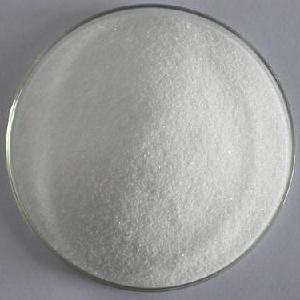
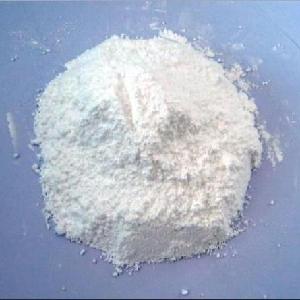
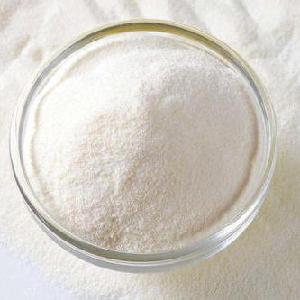
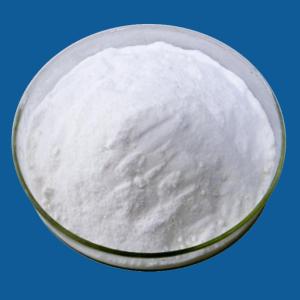
Glycine

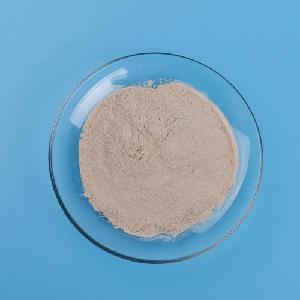
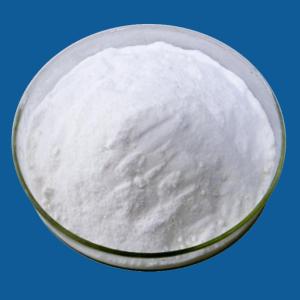
Glycine is an endogenous amino acid in the human body and a fundamental component of proteins. It is extremely safe and is internationally recognized as a safe food additive. It has been widely used in the food industry for a long time.
In terms of toxicology and safety evaluation, glycine has extremely low acute toxicity and is classified as a practically non-toxic substance. There is no risk of carcinogenesis, teratogenesis, or mutagenesis. The Joint Expert Committee on Food Additives of the Food and Agriculture Organization of the United Nations and the World Health Organization (JECFA), the US FDA, the European Food Safety Authority (EFSA), and China's GB 2760 food safety national standard all list glycine as a permitted food additive without setting a daily allowable intake (ADI). This is the highest level of recognition for its safety.
From the perspective of metabolic pathways, after entering the human body, glycine can directly participate in normal physiological metabolism such as protein synthesis, glutathione synthesis, and creatine synthesis, and ultimately decomposes into carbon dioxide, water, and urea to be excreted from the body. It does not accumulate in the body and does not produce toxic metabolites. Normal dietary and food additive levels of glycine have no burden on the liver and kidneys, and are also safe for sensitive groups such as children, pregnant women, and the elderly.
In practical usage scenarios, the addition amount of glycine is usually very low, mainly exerting functions such as enhancing flavor, seasoning, inhibiting bacteria, and buffering, far below the dose that may cause physiological burden. Normal consumption of seasonings, meat products, beverages, aquatic products, etc. containing glycine will not cause allergic, irritating, or gastrointestinal discomfort reactions, nor will it have harmful reactions with other food components.
Unlike artificial synthetic preservatives and flavor enhancers, glycine has no irritation, no residual odor, and no potential safety controversies. It can be used in various food systems other than infant foods and is in line with the development trend of green, healthy, and clean labels.
As a food additive, glycine has extremely high safety, a long history of use, and extremely low risks. Under the premise of complying with national standards and regulations, it will not have any adverse effects on human health. It is one of the safest and most reliable additives in the food industry.
Другие товары поставщика
|
|
L-Cysteine hydrochloride monohydrate |
Handling and Storage Practices1. Sealing After UseImmediate Re-Sealing: After opening, remove the required amount quickly and re-seal the container... |
|
|
L-Threonine |
Nutritional Fortification and Amino Acid Supplementation Essential Amino Acid Addition: L-Threonine is an essential amino acid for humans (cannot b... |
|
|
L-Methionine in Food and Nutritional Fortification Applications |
L-Methionine in Food and Nutritional Fortification Applications In the food industry, L-Methionine is primarily used as a nutritional fortifier to ... |
|
|
L-tryptophan Supplier |
Photodegradation of L-tryptophan
The indole ring is highly sensitive to ultraviolet (UV) light and oxygen. Under UV irradiation (e.g., sunlight), L... |
|
|
DL-methionine powder |
DL-Methionine has good biocompatibility and unique metabolic characteristics, making it a raw material for drug synthesis and a component of biomed... |
Все товары поставщика
Похожие товары