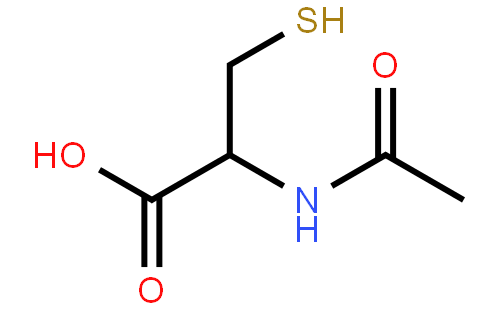
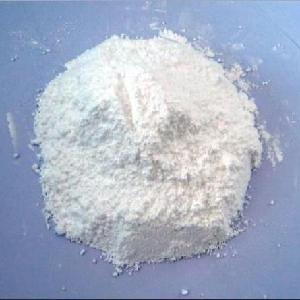
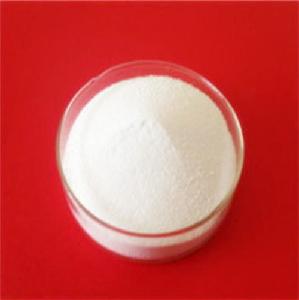
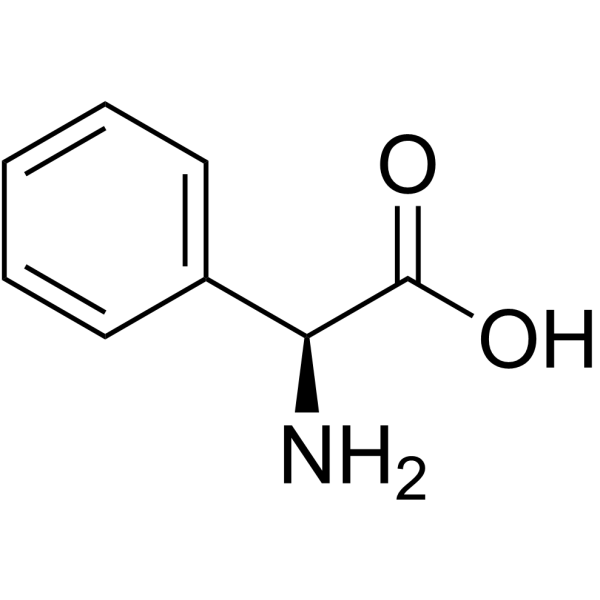
N-Acetyl-L-Cysteine

Uses of N-Acetyl-L-Cysteine
1. Antioxidant Support:
·NAC replenishes glutathione levels, which helps neutralize free radicals and reduce oxidative stress. This is beneficial in protecting cells from damage and supporting overall health.
·It may help in conditions associated with oxidative stress, such as aging, chronic inflammation, and neurodegenerative diseases.
2. Liver and Kidney Protection:
·NAC is used as an antidote for acetaminophen (paracetamol) overdose. It protects the liver by enhancing glutathione levels, preventing or minimizing liver damage.
·It may also support liver health in individuals with conditions like fatty liver disease and non-alcoholic steatohepatitis (NASH).
3. Respiratory Health:
·NAC is a mucolytic agent, meaning it helps thin and loosen mucus in the airways. This makes it useful in managing respiratory conditions such as:
·Chronic obstructive pulmonary disease (COPD)
·Chronic bronchitis
·Asthma
·Cystic fibrosis
·It may help reduce the frequency and severity of respiratory infections.
4. Mental Health and Brain Function:
·NAC has been studied for its potential benefits in psychiatric and neurological conditions, including:
·Depression: By reducing oxidative stress and inflammation, it may improve mood.
·Obsessive-Compulsive Disorder (OCD): It may modulate glutamate levels, which play a role in OCD.
·Addiction: NAC may reduce cravings and withdrawal symptoms in substance abuse disorders, including alcohol, cocaine, and nicotine.
·Schizophrenia and Bipolar Disorder: It may have adjunctive benefits due to its antioxidant effects.
5. Immune Support:
·NAC supports the immune system by enhancing glutathione levels, which are vital for immune cell function.
·It may also help reduce the severity of flu and viral infections.
6. Fertility:
·NAC has been used to improve fertility in both men and women. In men, it may improve sperm quality by reducing oxidative damage. In women, it has been studied for its role in managing polycystic ovary syndrome (PCOS).
7. Heart Health:
·NAC may help reduce oxidative stress and inflammation that contribute to cardiovascular diseases. It may improve blood vessel health and lower blood pressure in some cases.
8. Detoxification:
·Beyond acetaminophen overdose, NAC is sometimes used to support detoxification processes, including exposure to heavy metals and environmental toxins.
Dosage and Administration
·Typical doses for general antioxidant and health support range from 600 mg to 1200 mg per day, usually divided into two doses.
·For medical uses, such as acetaminophen overdose, much higher doses are administered under medical supervision.
Другие товары поставщика
|
|
High quality |
The storage methods for L-Cysteine hydrochloride monohydrate are crucial to maintain its stability and functionality, primarily due to its hygrosco... |
|
|
L-Methionine |
Industrial Biotechnology: Used as a precursor in the synthesis of bioactive molecules (e.g., S-adenosylmethionine, glutathione) for biopharmaceutic... |
|
|
DL-methionine powder |
DL-Methionine is used in the food industry as a nutritional fortifier and processing aid, with applications focused on improving the nutritional qu... |
|
|
In functional foods and health supplements |
Inositol is a core active ingredient in functional foods and health supplements. As a special vitamin‑like substance, it regulates human glucose an... |
|
|
L-proline |
The physiological functions and applications of L-proline1. Functions within living organismsCollagen synthesis: As the main component of collagen ... |
Все товары поставщика
Похожие товары