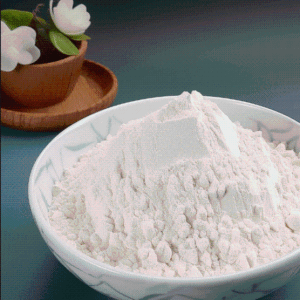
DL-tryptophan

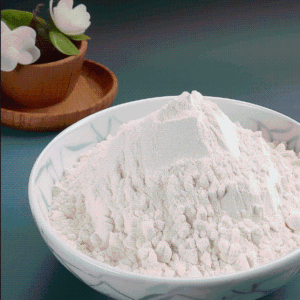
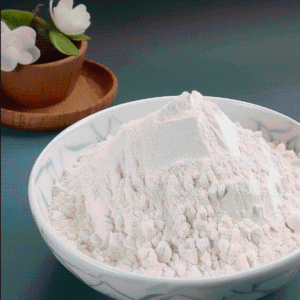
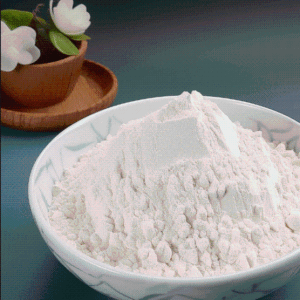
Storage Methods Control of Environmental Conditions Temperature: Store in a cool, dry place at 2–8°C (36–46°F) for long-term storage. For short-term storage (e.g., a few weeks), room temperature (≤25°C/77°F) is acceptable, but avoid exposure to high temperatures (above 30°C/86°F), as heat can cause degradation or moisture absorption. Moisture: Keep in a tightly sealed container to prevent moisture absorption, as DL-tryptophan is hygroscopic (absorbs water from the air). Moisture can lead to clumping, microbial growth, or chemical breakdown. Desiccants (e.g., silica gel packets) can be placed in the storage container to maintain low humidity. Light: Protect from direct sunlight and strong artificial light, as ultraviolet (UV) radiation may induce oxidation or structural changes. Store in opaque containers (e.g., amber glass or metal cans) or wrap transparent containers in light-resistant materials. Oxygen: Minimize exposure to air to reduce oxidation. Use airtight containers (e.g., sealed plastic bags with air squeezed out, or vacuum-sealed packaging) for bulk storage. Container Selection Use food-grade or pharmaceutical-grade containers made of materials that are inert and non-reactive, such as high-density polyethylene (HDPE) bottles, aluminum cans, or laminated paper bags with inner plastic liners. Avoid containers made of materials that may leach chemicals (e.g., low-quality plastics). Ensure containers are clean, dry, and tightly sealed to prevent contamination and moisture ingress. Segregation and Labeling Store separately from strong oxidizing agents, acids, or alkaline substances, as DL-tryptophan (a neutral amino acid) may react with these chemicals under certain conditions. Clearly label containers with the product name (DL-tryptophan), batch number, production date, expiration date, and storage conditions to facilitate traceability and proper inventory management. Shelf Life Considerations Under optimal storage conditions, DL-tryptophan typically has a shelf life of 2–3 years. However, this may vary by manufacturer, so follow the recommended expiration date. Regularly inspect stored products for signs of degradation, such as discoloration (yellowing), clumping, or off-odors, and discard any compromised batches.
Другие товары поставщика
|
|
High quality Phospho-L-Tyrosine Disodium Salt |
Phospho-L-Tyrosine Disodium Salt is a biologically active phosphorylated derivative of L-tyrosine, with core applications centered on biochemical r... |
|
|
BOC-L-GLU(ME)-OME |
In the field of small molecule drug synthesis, BOC-L-GLU(ME)-OME is a key starting material and chiral building block for a variety of antiviral dr... |
|
|
L-Alanyl-L-Tyrosine |
L-Alanyl-L-Tyrosine is a tyrosine derivative that affects the secretion of anabolic hormones, fuel supply during exercise, mental performance durin... |
|
|
N-Acetyl-L-Tryptophan |
N-Acetyl-L-Tryptophan of Physical Properties
Form: White to off‑white crystalline powder
Odor: Odorless
Taste: Slightly bitter
Melting Point: 1... |
|
|
L-Cystine dihydrochloride in Animal Feed Industry |
L-Cystine dihydrochloride in Animal Feed IndustryFeed nutritional additivePromotes growth of livestock, poultry, and aquatic animals, improves feed... |
Все товары поставщика
Похожие товары