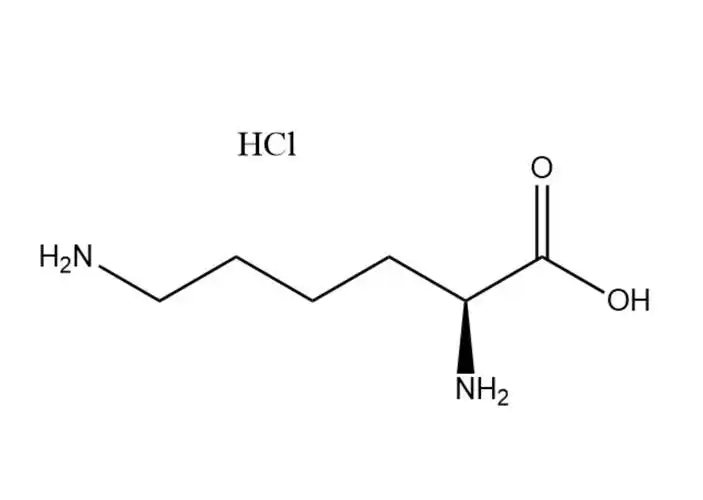
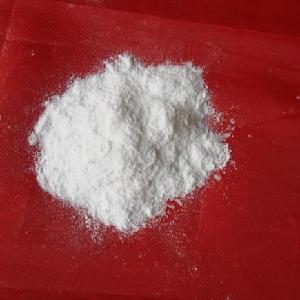
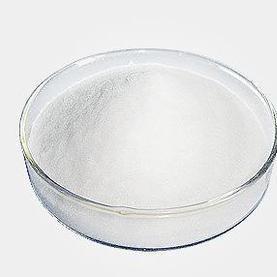
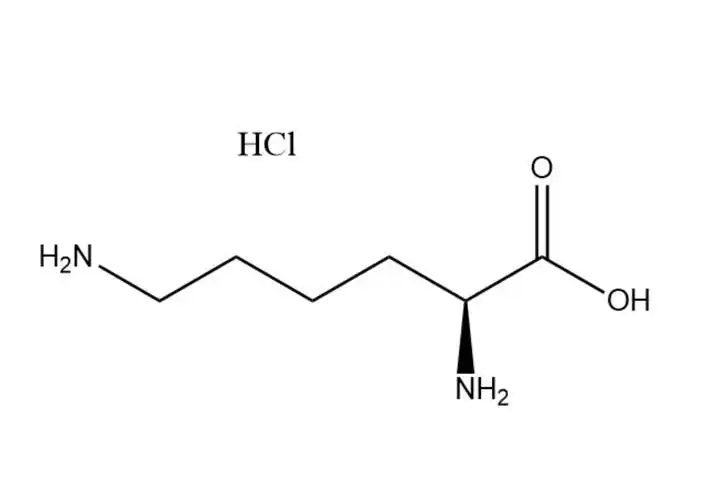
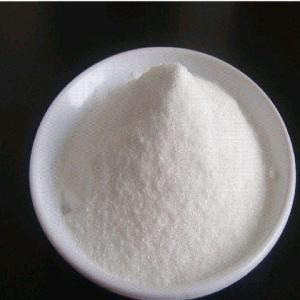
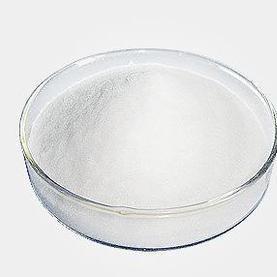
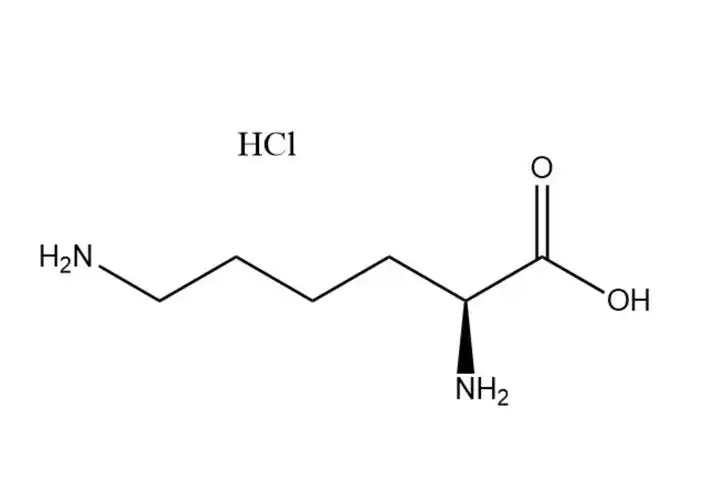
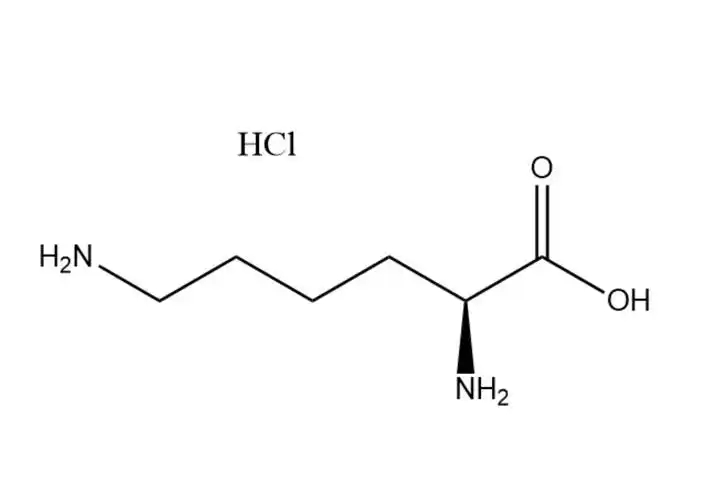
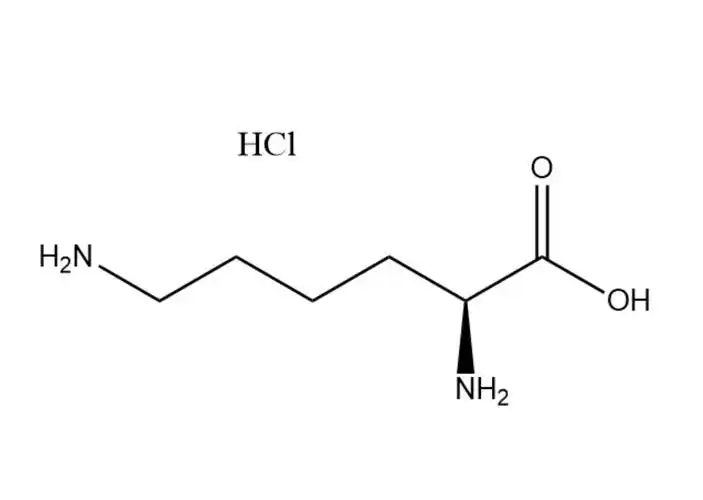
L-lysine monohydrochloride
The free Cl⁻ ion in the hydrochloride salt form undergoes typical halide ion reactions, which are used for qualitative identification of L-lysine monohydrochloride (per USP/EP/ChP standards): Reacts with silver nitrate (AgNO3) in aqueous solution to form a white, insoluble precipitate of silver chloride (AgCl), which is insoluble in dilute nitric acid— a classic test for Cl⁻ ions. No redox reaction of Cl⁻ under normal conditions (Cl⁻ is stable and non-toxic).
Другие товары поставщика
|
|
High quality L-Phenylalanine |
Forms of Phenylalanine: ·L-Phenylalanine: The natural form of phenylalanine found in food and used in supplements. ·DL-Phenylalanine ... |
|
|
Inositol |
Inositol is widely applied in beverages, cereal products, nutritional meal replacements and protein solid drinks as a high‑safety nutritional forti... |
|
|
L-Lysine monohydrochloride as nutrient additives |
Free L-lysine is highly hygroscopic—it absorbs atmospheric moisture rapidly at relative humidity (RH) >60%, leading to caking, agglomerati... |
|
|
Sucralose |
Sucralose is widely used in processed foods such as beverages, chewing gum, dairy products, dried fruits, jelly puddings, bread, pastries, cookies,... |
|
|
Inositol as an important nutritional fortifier in food |
Inositol is used as an important nutritional fortifier in food. As a natural vitamin‑like nutrient, it can supplement daily physiological nutrients... |
Все товары поставщика
Похожие товары