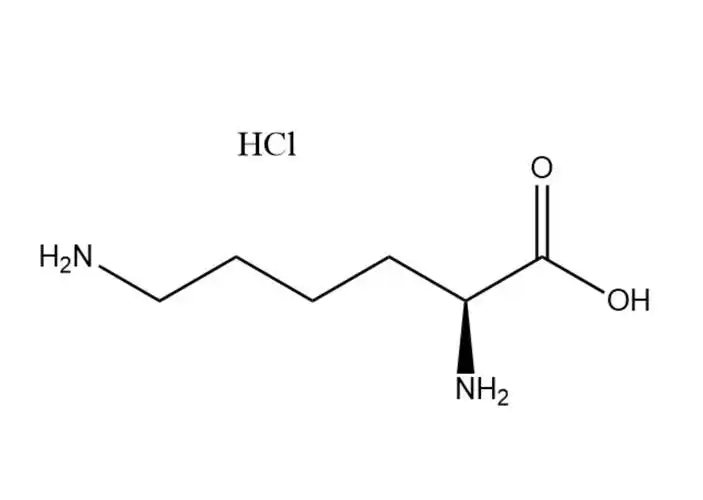
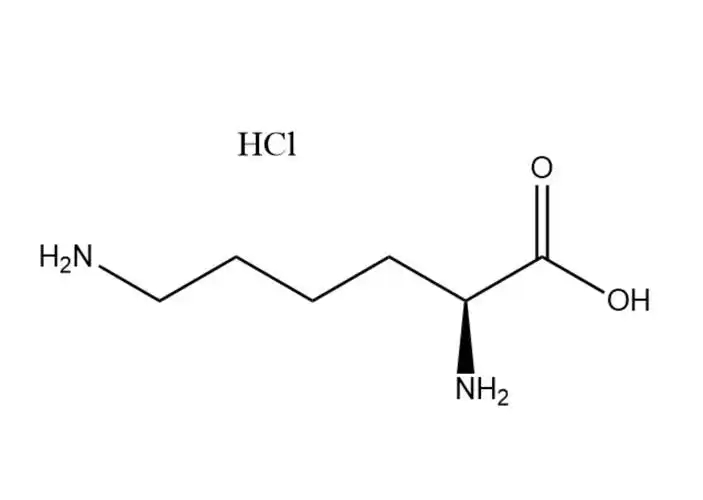
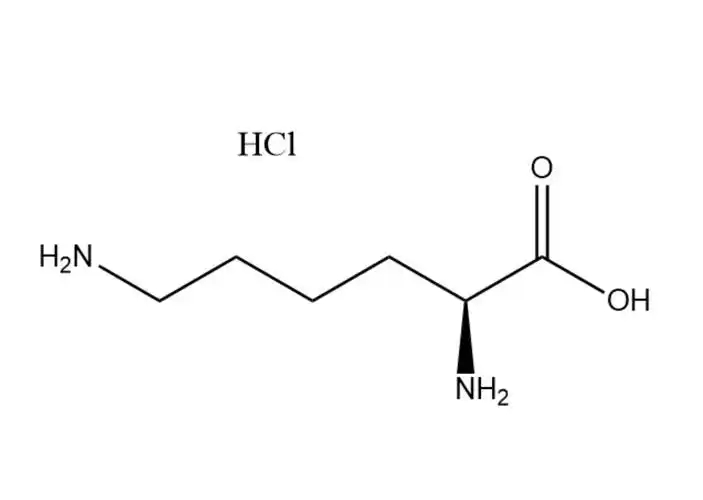
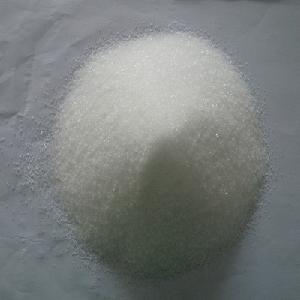
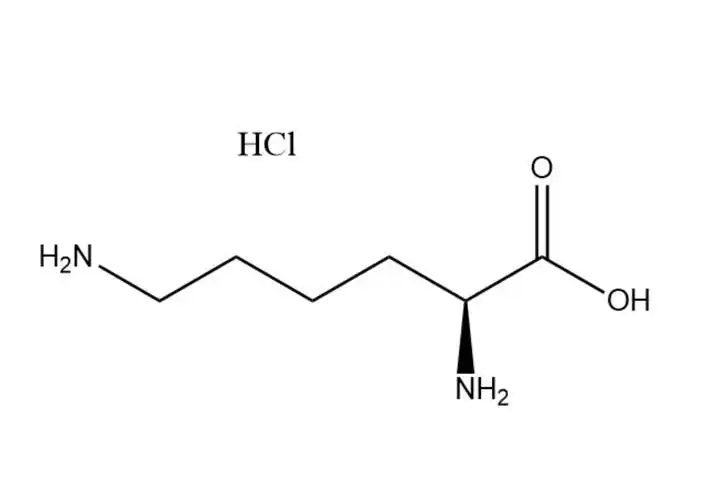
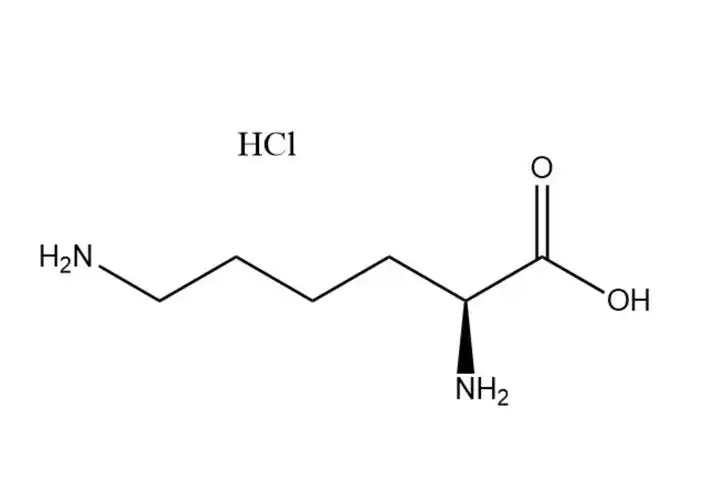
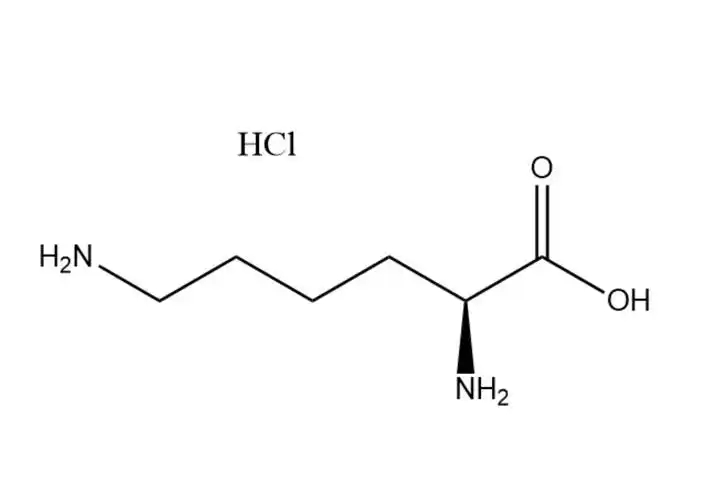
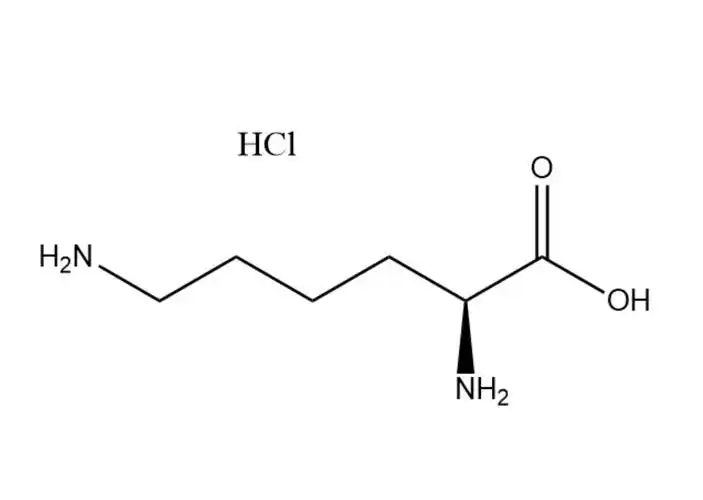
L-lysine monohydrochloride
The free Cl⁻ ion in the hydrochloride salt form undergoes typical halide ion reactions, which are used for qualitative identification of L-lysine monohydrochloride (per USP/EP/ChP standards): Reacts with silver nitrate (AgNO3) in aqueous solution to form a white, insoluble precipitate of silver chloride (AgCl), which is insoluble in dilute nitric acid— a classic test for Cl⁻ ions. No redox reaction of Cl⁻ under normal conditions (Cl⁻ is stable and non-toxic).
Other supplier products
|
|
L-Lysine monohydrochloride |
Solubility ofL-Lysine monohydrochloride
Solubility is the most distinctive physical property of L-lysine monohydrochloride, and its high aqueous s... |
|
|
L-leucine |
Basic InformationChemical Formula: C6H13NO2Molecular Weight: 131.17 g/molStructure: It has a branched - chain structure with a carboxyl group (-COO... |
|
|
Sucralose |
Sucralose is a high-sweetness agent obtained by replacing the hydroxyl groups at positions 4, 1', and 6' of sucrose molecules with chlorine atoms. ... |
|
|
L-lysine monohydrochloride |
L-lysine monohydrochloride is one of the most stable amino acid salts in industrial applications, with excellent stability in solid form and good s... |
|
|
DL-Alanine Powder |
Under proper storage conditions, the typical shelf life of DL-Alanine is2–3 yearsfrom the production date (as indicated on the product label)... |
供应产品
Same products