L-Threonine
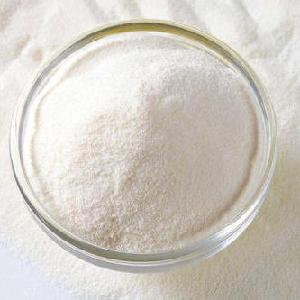
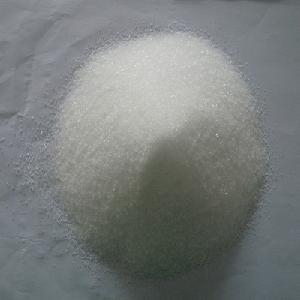
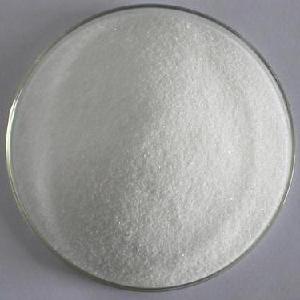
L-Threonine is generally recognized as safe (GRAS) by regulatory bodies like the FDA when used in food at typical fortification levels. Its use must comply with regional food additive standards (e.g., EU Regulation No. 1334/2008 for food flavorings). Precursor for Food Additives: Serves as a starting material for synthesizing other food ingredients, such as: Threonine-based peptides for flavor enhancement. Nutraceuticals (e.g., compounds with anti-inflammatory or immune-boosting effects).
Other supplier products
|
|
DL-Alanine |
DL-Alanine is recognized asGenerally Recognized as Safe (GRAS)by major regulatory bodies (e.g., FDA in the U.S., EFSA in the EU, and CFSA in China)... |
|
|
L-Methionine |
Key Notes on Sources of L-Methionine Bioavailability: L-methionine from animal sources is more bioavailable than plant sources due to the absence o... |
|
|
L-Lysine monohydrochloride |
The most prominent performance advantage ofL-Lysine monohydrochloride is its optimized physical and chemical properties that eliminate the critical... |
|
|
Glycine |
Glycine has three reaction centers: amino group, carboxyl group, and methylene group. It has typical and diverse chemical properties.1. Ampholytic ... |
|
|
L-lysine monohydrochloride |
In industrial production and application, the following physicochemical properties are the core quality control indices for L-lysine monohydrochlor... |
供应产品
Same products