L-Threonine
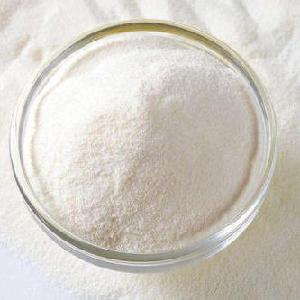
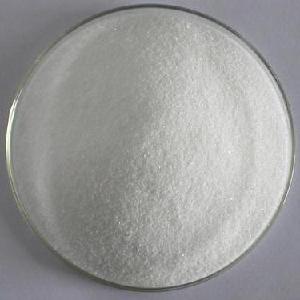
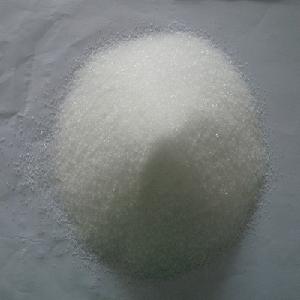
Physical Properties of L-Threonine Molecular Formula C₄H₉NO₃ (molecular weight: 119.12 g/mol). Appearance and State White to off-white crystalline powder. Odorless with a slightly sweet taste. Melting Point Approximately 256–258 °C (decomposes upon heating). Solubility Soluble in water (approx. 20 g/100 mL at 25 °C). Insoluble in organic solvents like ethanol, ether, and chloroform. Optical Activity Exhibits optical activity as a chiral amino acid. Specific rotation [α]ₙ²⁰: +28.5° to +31.0° (in 5% aqueous hydrochloric acid). Density Approximate density: 1.39 g/cm³ (solid state). pH of Aqueous Solution Neutral aqueous solutions have a pH around 5.0–6.5, depending on concentration.
Other supplier products
|
|
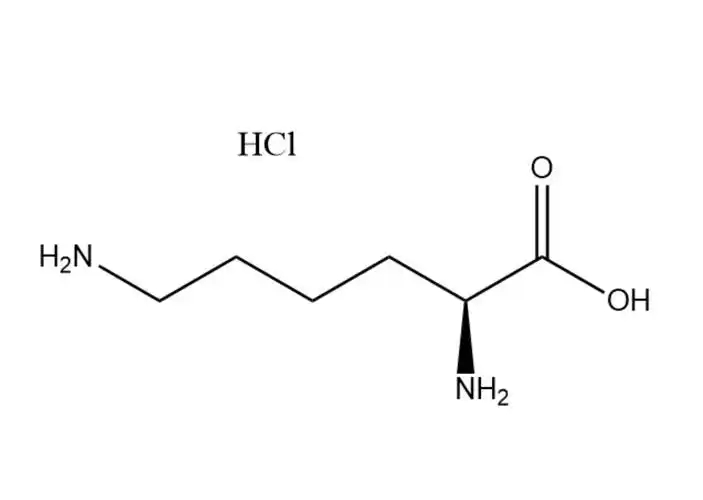
L-lysine monohydrochloride |
In industrial production and application, the following physicochemical properties are the core quality control indices for L-lysine monohydrochlor... |
|
|
DL-Alanine Powder |
Special Notes for Different Grades (Food-Grade vs. Industrial-Grade) Food-grade DL-Alanine: Strictly follow food safety storage standards (e.g., co... |
|
|
N-Acetyl-L-Cysteine |
N-Acetyl-L-Cysteine is a derivative of the amino acid L-cysteine and serves as a precursor to glutathione, a powerful antioxidant. NAC has a wide r... |
|
|
Glycine |
In the feed industry, glycine is an important feed additive, and it is widely used in aquaculture and livestock breeding. As an amino acid nutrient... |
|
|
DL-Alanine |
DL-Alanine is an α-amino acid that participates in human energy metabolism (via the glucose-alanine cycle, which helps remove excess ammonia ... |
供应产品
Same products