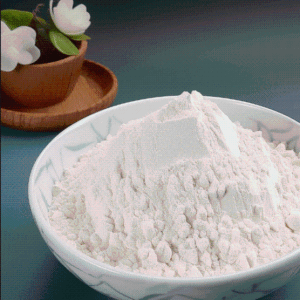
Calcium carbonate

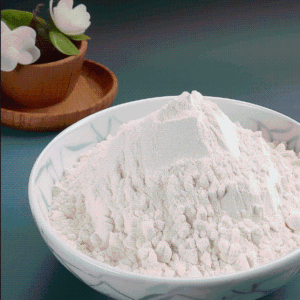
Calcium carbonate can be classified into light calcium carbonate, heavy calcium carbonate and active calcium carbonate based on different production methods.
The preparation method of light calcium carbonate (referred to as light calcium) is to calcine raw materials such as limestone to generate lime (mainly composed of calcium oxide) and carbon dioxide, then add water to digest the lime to form lime milk (mainly composed of calcium hydroxide), and then introduce carbon dioxide to carbonize the lime milk to generate calcium carbonate precipitate. Finally, it is obtained through dehydration, drying and grinding. It can be obtained by first conducting a double decomposition reaction between sodium carbonate and calcium chloride to form calcium carbonate precipitate, and then through dehydration, drying and grinding. It is mainly used as a filler in industries such as rubber, plastic, papermaking, coatings and inks, and can also be used in daily chemical products such as tooth powder, toothpaste and cosmetics. It can also be used in organic synthesis, metallurgy, glass and asbestos production.
The preparation method of heavy calcium carbonate (referred to as heavy calcium) is to directly crush natural calcite, limestone, chalk, shells, etc. by mechanical means. It is an excellent filler and performance modifier, and is widely used in plastics, rubber, papermaking, coatings, feed, medicine, daily chemical industry, glass, ceramics and other fields.
The preparation method of active calcium carbonate (referred to as active calcium) is to modify the surface of light calcium or heavy calcium with surface modifiers to obtain it. After the modification treatment, the surface of the calcium carbonate powder forms a special coating structure, which can significantly improve the dispersion and affinity in polymer matrices such as polyolefins, and can also produce interface interaction with the polymer matrix. Thereby enhancing the impact resistance strength of the products, it is an excellent incremental filling additive.
Other supplier products
|
|
Magnesium Gluconate |
Hygroscopicity and Moisture Absorption of Magnesium Gluconate Hygroscopic Nature: Magnesium gluconate is moderately hygroscopic, meaning it absorbs... |
|
|
Sodium Malate |
Product Name:Sodium Malate Description Molecular formula:C4H4Na2O5 Molecular weight:178.05 Sodium Malate assay:98.0~102.0% Shelf life:24 month CAS ... |
|
|
Magnesium Gluconate |
Molecular Structure and Formula Chemical Formula: C12H22MgO14 or Mg(C6H11O7)2 Molecular Weight: Approximately 450.6 g/mol Structure: Composed of tw... |
|
|
Monosodium fumarate |
Monosodium fumarate, a sodium salt of fumaric acid, is primarily valued for its functional properties in various industries, with its most prominen... |
|
|
Magnesium Lactate Powder |
Magnesium lactate as Food Additive and Fortifier Nutrient Fortification: Added to a range of foods to enhance magnesium content: Beverages: Sports ... |
供应产品
Same products