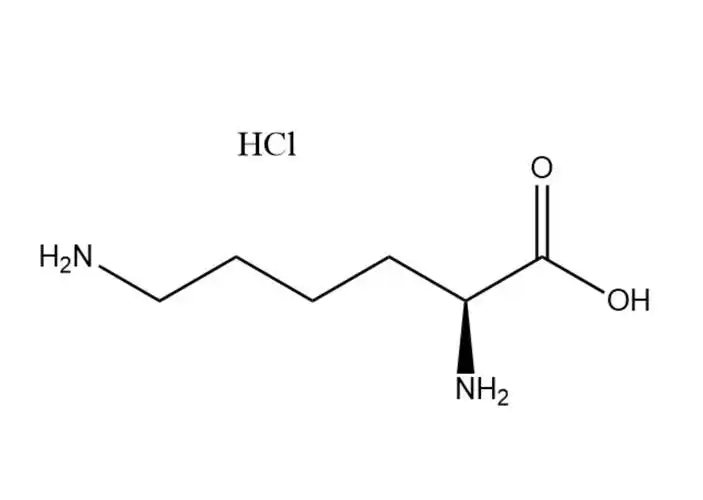
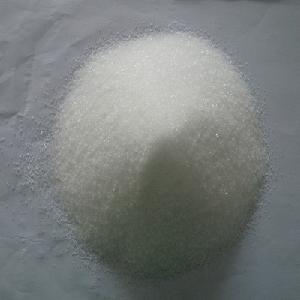
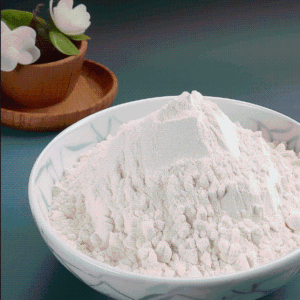
L-lysine monohydrochloride
The free Cl⁻ ion in the hydrochloride salt form undergoes typical halide ion reactions, which are used for qualitative identification of L-lysine monohydrochloride (per USP/EP/ChP standards): Reacts with silver nitrate (AgNO3) in aqueous solution to form a white, insoluble precipitate of silver chloride (AgCl), which is insoluble in dilute nitric acid— a classic test for Cl⁻ ions. No redox reaction of Cl⁻ under normal conditions (Cl⁻ is stable and non-toxic).
Other supplier products
|
|
L-Glutamine |
L-Glutamine is a conditionally essential amino acid with important roles in the body. Here's a detailed introduction:
1. Chemical structure and na... |
|
|
DL-Alanine Powder |
Under proper storage conditions, the typical shelf life of DL-Alanine is2–3 yearsfrom the production date (as indicated on the product label)... |
|
|
DL-Alanine |
DL-Alanine can interact with proteins and starches in food, modifying their structure to improve texture and stability—especially in processe... |
|
|
L-proline |
The uses of L-prolineIn the field of medicine: In the pharmaceutical industry, L-proline can be used as a raw material for amino acid infusions, an... |
|
|
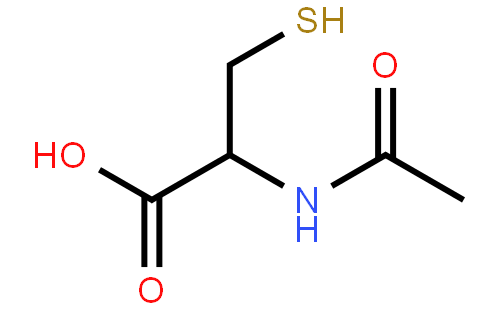
High quality N-Acetyl-L-Cysteine |
N-Acetyl-L-Cysteine, often abbreviated as NAC, is a derivative of the amino acid cysteine. Here is a detailed introduction:
Basic Information
Chem... |
供应产品
Same products