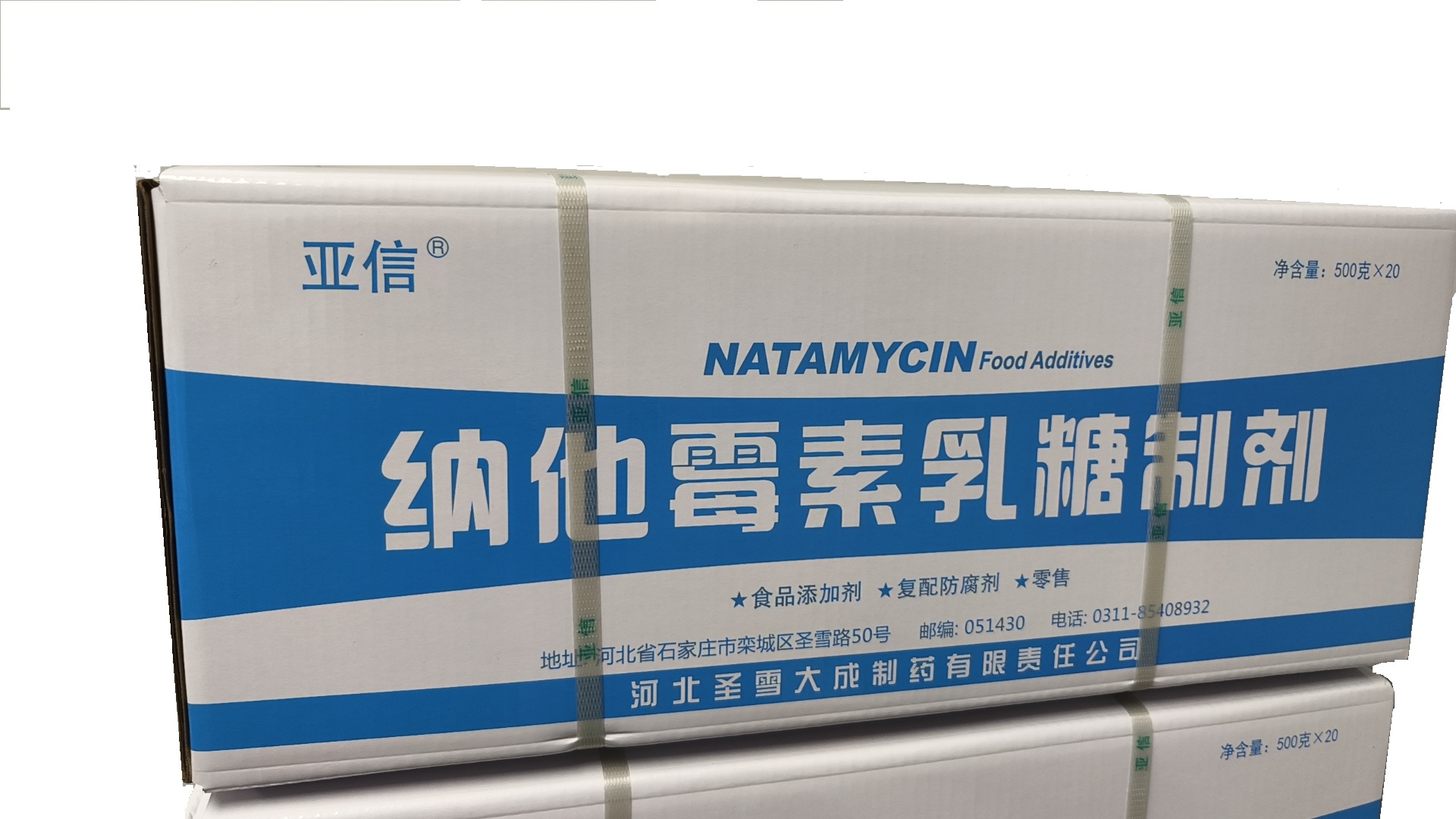
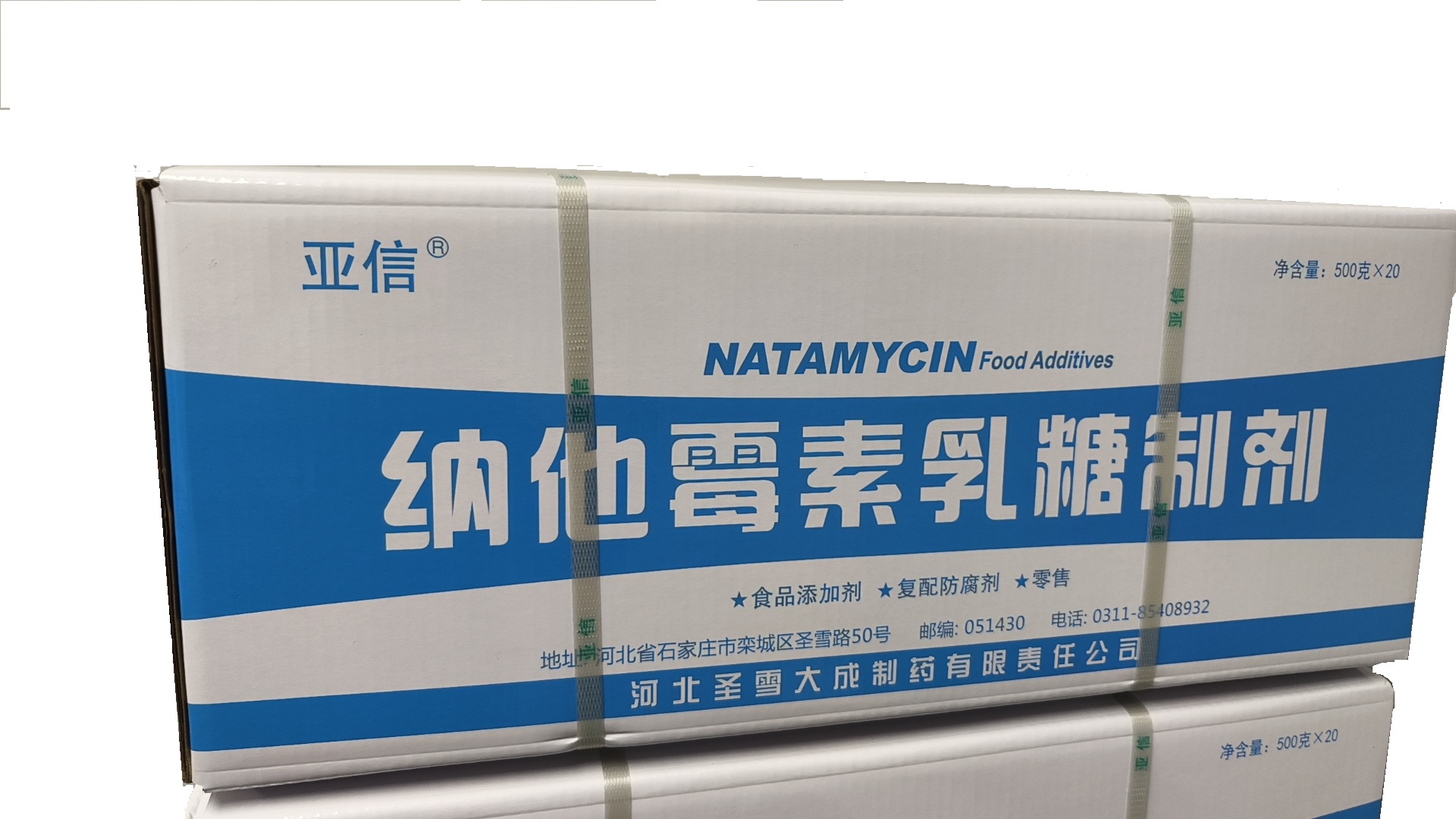
Natamycin,Transport Precautions

Natamycin, being a sensitive and specialized compound, requires careful handling and storage during transportation to maintain its stability and effectiveness. Below are the key transport precautions:
1. Packaging
·Moisture-Proof Packaging: Use airtight, moisture-resistant containers or vacuum-sealed packaging to prevent exposure to humidity, as natamycin is sensitive to moisture.
·Light-Blocking Material: Ensure the packaging is opaque or light-blocking, as natamycin degrades when exposed to ultraviolet (UV) light.
·Durable and Secure Containers: Use robust packaging to prevent physical damage or contamination during transit.
2. Temperature Control
·Cool Conditions: Transport at controlled, cool temperatures, ideally below 25°C (77°F). Excessive heat can degrade natamycin.
·Avoid Freezing: Do not allow the product to freeze, as this may affect its physical properties and efficacy.
3. Humidity Control
·Maintain a dry environment during transportation. High humidity can cause clumping, degradation, or microbial contamination.
4. Chemical Stability
·Keep natamycin away from strong oxidizing agents or reactive chemicals, as these can compromise its stability.
·Ensure no contamination with solvents or other substances that may affect its purity.
5. Handling Precautions
·Handle with care to avoid tearing or puncturing the packaging.
·Ensure personnel handling natamycin are trained and use appropriate personal protective equipment (PPE) to prevent exposure and contamination.
6. Labeling
·Clearly label all containers with the product name ("Natamycin"), CAS number, batch number, and handling instructions.
·Include safety and precautionary information, such as "Keep Dry," "Protect from Light," and "Temperature-Sensitive Product."
7. Regulatory Compliance
·Comply with local and international regulations regarding the transportation of chemical and food-grade additives.
·Provide necessary documentation, such as a Certificate of Analysis (CoA) or Safety Data Sheet (SDS), to ensure regulatory and safety compliance.
8. Mode of Transport
·For large shipments: Use refrigerated containers or climate-controlled vehicles to maintain the required temperature and humidity.
·For small shipments: Ensure the product is packed in insulated boxes with gel packs or ice packs to maintain cool conditions.
By following these precautions, natamycin's stability, efficacy, and safety can be preserved throughout the transportation process.
Other supplier products
|
|
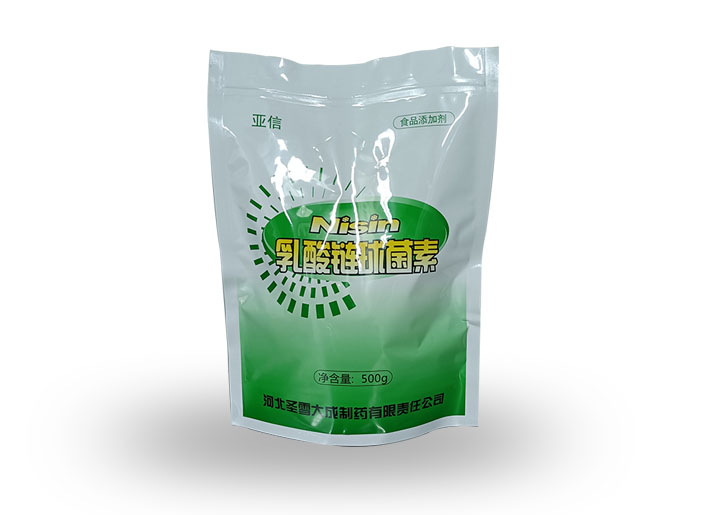
Nisin Supplier 500g |
Recognized by the global mainstream regulatory systemThe FDA (Food and Drug Administration of the United States) has classified Nisin as a GRAS (Ge... |
|
|
Natamycin 7681-93-8 |
Product Name: NatamycinCAS No. 7681-93-8Molecular formula: C₃₃H₄₇NO₁₃.Molecular weight: 665.75EINECS number 231-683-5Physical and chemical properti... |
|
|
Bulk supply Nisin Powder |
Practical Implications for Food ApplicationsFormulation Considerations:When using nisin in food products, the pH of the matrix affects both its eff... |
|
|
Nisin in Bakery and Cereal Products |
Application in Bakery and Cereal Products: Inhibiting Spoilage Bacteria and Mold Bakery products (bread, cakes, pastries) and cereals (breakfast ce... |
|
|
Colistin Sulfate Soluble Powder 10% 500g |
Colistin Sulfate Soluble Powder is a type of antibiotic medication that is widely used in veterinary medicine to treat bacterial infections in live... |
All supplier products
Same products