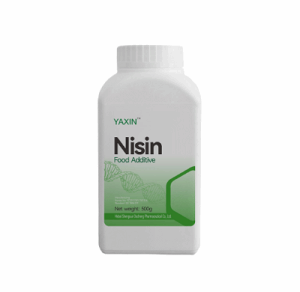
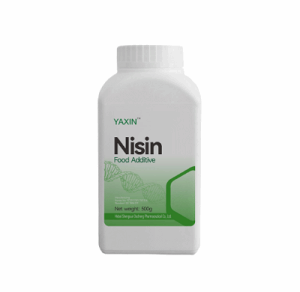
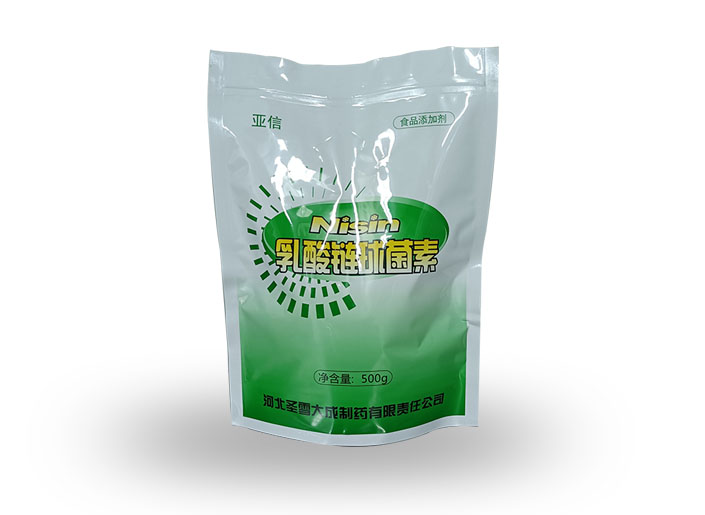
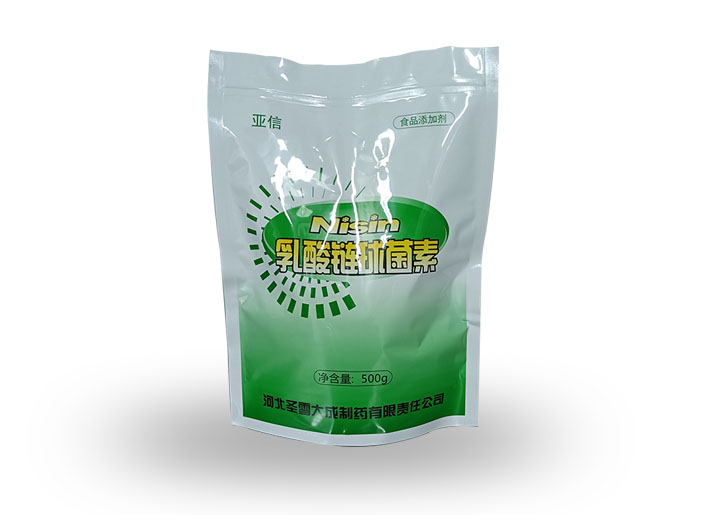
Nisin Supplier 500g

Recognized by the global mainstream regulatory system
The FDA (Food and Drug Administration of the United States) has classified Nisin as a GRAS (Generally Recognized as Safe) substance, allowing its use in dairy products, meats, canned foods and other foods, with a typical limit of 50-500 ppm (0.05-0.5 g/kg).
EFSA (European Union) : It has approved Nisin as a preservative for use in cheese, sausages, beverages, etc., with the maximum usage ranging from 10 to 1000 mg/kg depending on the category. It also clearly states that there is no limit on the allowable daily intake (ADI) (i.e., "no specific ADI value", indicating extremely high safety).
JECFA (Joint FAO/WHO Expert Committee on Food Additives) : Multiple evaluations have confirmed the safety of Nisin, with the ADI set at 0-33,000 IU/kg body weight (approximately 2.5 mg/kg), far exceeding the actual dosage used.
Compliance with Chinese regulations
China's GB 2760-2024 permits the use of Nisin for:
Milk and dairy products (such as cheese and yogurt), with a maximum usage of 0.5g /kg;
Meat and meat products (such as ham, braised meat), 0.5g /kg;
Canned foods, plant protein beverages, etc., 0.2-0.5 g/kg;
The above limits are all set based on toxicological data and actual process requirements to ensure the safety of long-term intake by consumers.
Other supplier products
|
|
Nisin Powder Partners, long-term cooperation |
Stability and pH SensitivityAcid Stability:Most stable at pH 3–5, retaining activity in acidic environments (e.g., yogurt, pickles, fruit jui... |
|
|
Nisin in the Prepared Meal Industry |
Standardized Application of Nisin in the Prepared Meal Industry 1. Scope of Application In accordance with GB 2760—2017 National Food Safety ... |
|
|
Large supply Nisin |
Nisin is considered a natural preservative because it is derived from the fermentation of bacteria. As a result, it aligns with consumer preference... |
|
|
Nisin in Beverages |
Application in Beverages: Controlling Heat-Resistant Spores and Microbial GrowthBeverages (e.g., fruit juices, beer, functional drinks) face risks ... |
|
|
Natamycin 7681-93-8 |
Natamycin and other food preservatives in the mechanism of action difference: Natamycin: By binding with ergosterol on the fungal cell membrane, th... |
All supplier products
Same products