Nisin in Bakery and Cereal Products

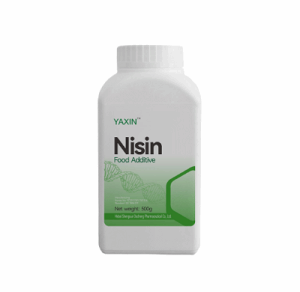
Application in Bakery and Cereal Products: Inhibiting Spoilage Bacteria and Mold Bakery products (bread, cakes, pastries) and cereals (breakfast cereals, oatmeal) are prone to mold growth (e.g., Aspergillus) and bacterial spoilage (e.g., Bacillus cereus in bread). Nisin is often used in combination with other natural preservatives to expand its antibacterial spectrum: Key Applications & Mechanisms Bread (white bread, whole-wheat bread): Method: Add 0.02–0.05 g/kg Nisin to dough, combined with natamycin (a mold inhibitor, 0.01 g/kg). Effect: Nisin inhibits Bacillus cereus (which causes "rope spoilage"—slimy texture in bread), while natamycin prevents mold. Bread with this combination has a shelf life extended from 3–5 days to 7–10 days at room temperature, without staling faster. Breakfast cereals: Method: Spray a Nisin-sorbitol solution (0.1 g/L Nisin + 5% sorbitol) on cereals after baking. Effect: Inhibits bacterial growth and maintains cereal crispness. Breakfast cereals with Nisin have a shelf life extended from 3 months to 6 months, with no change in crunchiness. Advantage Compatible with low-sugar and gluten-free bakery products, meeting "clean label" consumer demands.
Other supplier products
|
|
Nisin Price |
Customization of nisin, a natural antimicrobial peptide, may be required for various applications, and several manufacturers are equipped to meet s... |
|
|
Nisin Raw Material Market quotation |
The gut is the largest immune organ in the body, and gut microbiota balance directly impacts immune function. Nisin supports immunity through two k... |
|
|
Nisin Powder Market quotation |
Antibacterial Activity of NisinSpectrum of Action:Primarily effective against gram - positive bacteria (e.g., Staphylococcus aureus, Clostridium bo... |
|
|
Natamycin Bulk supply |
New products coming soon!Welcome to inquire and book! Also known as pimaricin, natamycin is a polyene macrolide antifungal agent produced by the fe... |
|
|
Nisin's stability during storage |
Nisin’s stability during storage directly determines its shelf life and efficacy in end products.Dry powder form: When stored in sealed, ligh... |
All supplier products
Same products