Nisin Powder Partners, long-term cooperation
Stability and pH Sensitivity
Acid Stability:
Most stable at pH 3–5, retaining activity in acidic environments (e.g., yogurt, pickles, fruit juices).
At low pH, nisin resists thermal degradation, making it suitable for heat - processed acidic foods.
Alkaline Instability:
Activity decreases rapidly at pH > 7 due to peptide bond hydrolysis and structural denaturation.
Unsuitable for long - term storage or use in alkaline foods (e.g., some dairy products, certain meat processing systems) unless pH is controlled.
Other supplier products
|
|
Metabolic Characteristics of Nisin |
Nisin is classified as a GRAS (Generally Recognized as Safe) substance by the FDA and FAO/WHO, with a long history of safe application in food prod... |
|
|
Nisin Powder Partners, long-term cooperation |
Stability and pH SensitivityAcid Stability:Most stable at pH 3–5, retaining activity in acidic environments (e.g., yogurt, pickles, fruit jui... |
|
|
Nisin Powder Market quotation |
Antibacterial Activity of NisinSpectrum of Action:Primarily effective against gram - positive bacteria (e.g., Staphylococcus aureus, Clostridium bo... |
|
|
Food preservative ε-Polylysine hydrochloride |
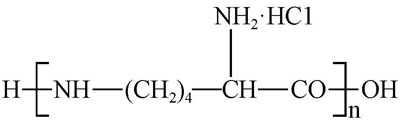
One of the key benefits of ε-Polylysine hydrochloride as a food preservative is its ability to inhibit the growth of a wide range of microo... |
|
|
Natamycin 7681-93-8 |
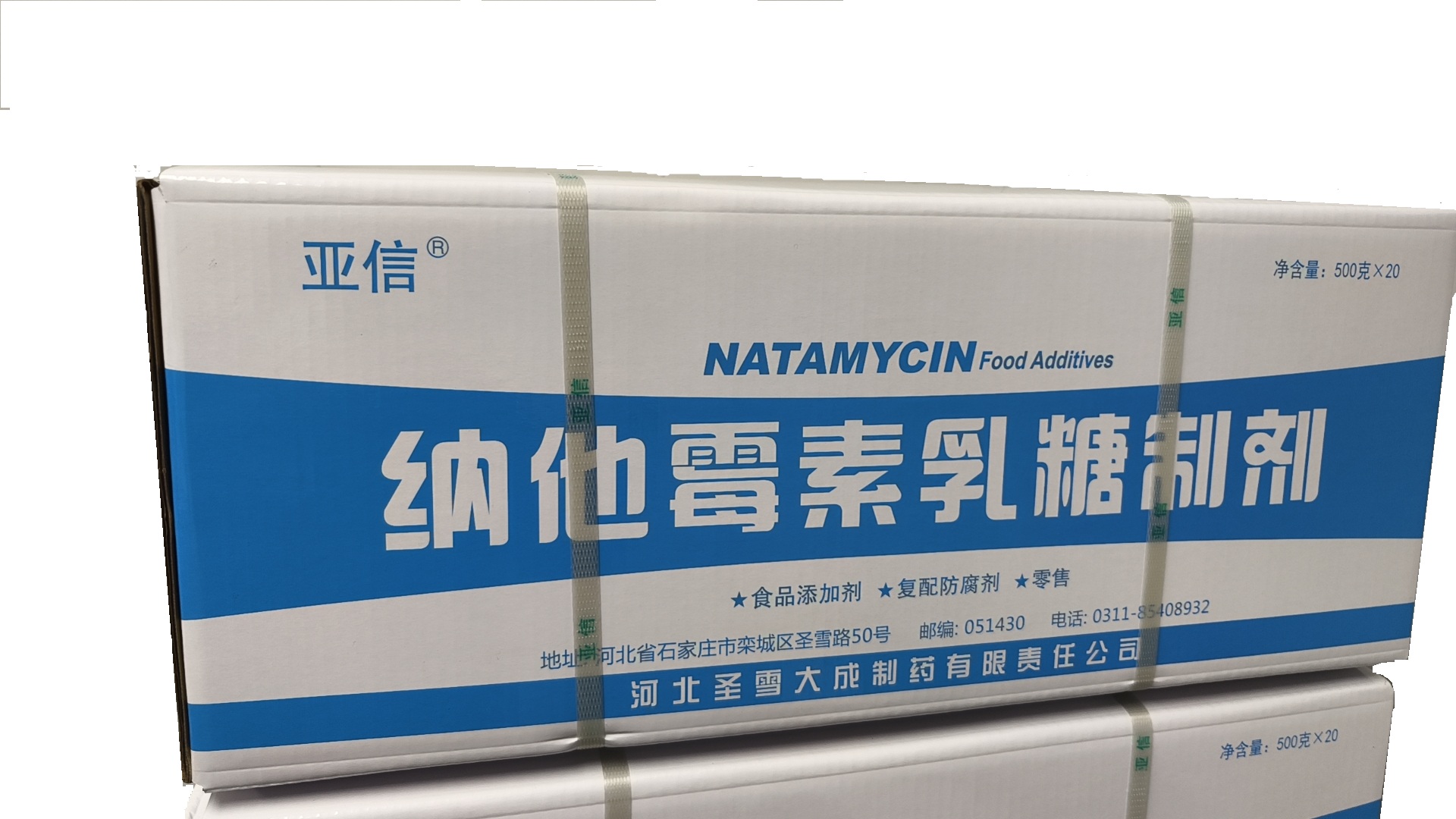
Natamycin and other food preservatives in the mechanism of action difference: Natamycin: By binding with ergosterol on the fungal cell membrane, th... |
All supplier products
Same products