L-Cysteine hydrochloride monohydrate
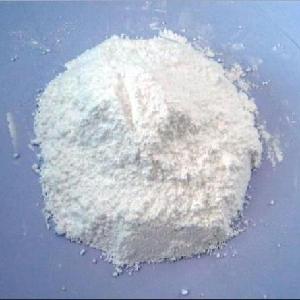
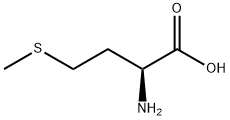
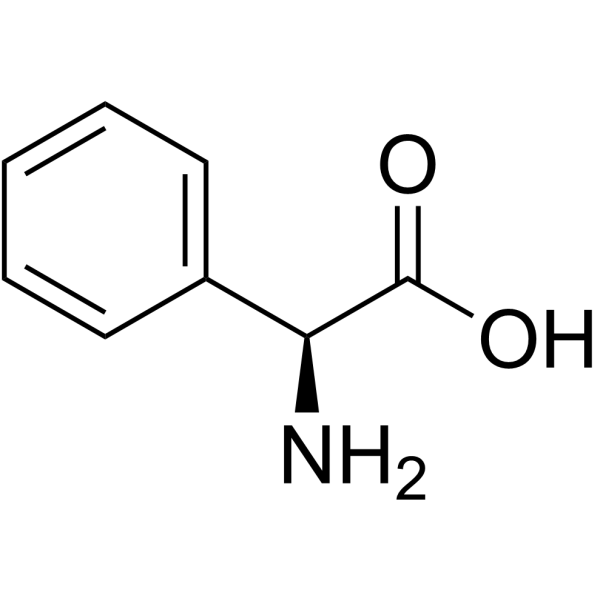
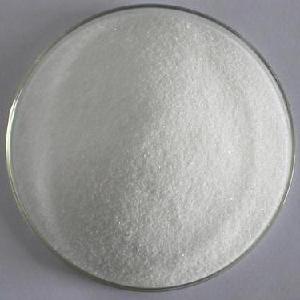
Chemical Structure and PropertiesMolecular FormulaChemical Formula:C3H7NO2S· HCl· H2O Molecular Weight: Approximately 175.64 g/molStructure: Composed of L-cysteine (an amino acid with a thiol group,−SH) bound to a hydrochloric acid (HCl) molecule and a water molecule (monohydrate). The thiol group is crucial for its redox properties. Physical CharacteristicsAppearance: White to off-white crystalline powderSolubility: Highly soluble in water (due to the ionic nature of HCl salt), slightly soluble in ethanol, insoluble in organic solventsOdor: May have a faint sulfurous smell (due to the thiol group), though the HCl salt form reduces volatilitypH: Aqueous solutions are acidic (pH ~ 1.5–2.5) due to the hydrochloric acid component
Other supplier products
|
|
DL-Methionine Supply price |
Redox Properties of DL-MethionineThemethylthio group (-SCH3)in the side chain of DL-methionine is the core moiety responsible for its redox reactiv... |
|
|
D-Allulose Wholesale Price |
Product Name: D-Allulose English name: D-Psicose Synonyms: Psicose, D- (8CI); D-Allulose; D-ribo-2-Hexulose Molecular Formula: C6H12O6 Molecular We... |
|
|
Sucralose Partners, long-termCooperation |
Sucralose is currently a widely used high-potency sweetener globally. Its safety has been verified through decades of toxicological studies, animal... |
|
|
L-proline Supply price |
Storage and transportation of L-prolineStorage conditions: Store in a sealed container in a cool and dry place, away from moisture, high temperatur... |
|
|
Glycine Partners,long-termCooperation |
Glycine is a food-grade amino acid approved by the state. Due to its high safety, sweet taste, and multiple functions such as enhancing flavor, buf... |
All supplier products
Same products