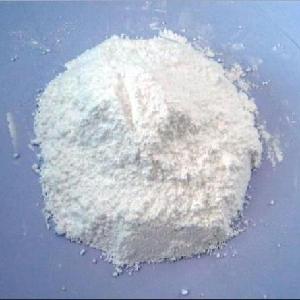
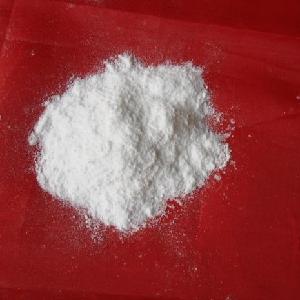
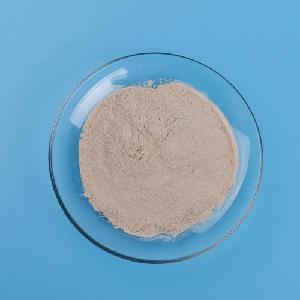
L-Cysteine hydrochloride monohydrate
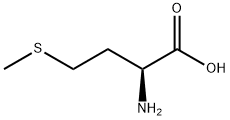
Chemical Structure and PropertiesMolecular FormulaChemical Formula:C3H7NO2S· HCl· H2O Molecular Weight: Approximately 175.64 g/molStructure: Composed of L-cysteine (an amino acid with a thiol group,−SH) bound to a hydrochloric acid (HCl) molecule and a water molecule (monohydrate). The thiol group is crucial for its redox properties. Physical CharacteristicsAppearance: White to off-white crystalline powderSolubility: Highly soluble in water (due to the ionic nature of HCl salt), slightly soluble in ethanol, insoluble in organic solventsOdor: May have a faint sulfurous smell (due to the thiol group), though the HCl salt form reduces volatilitypH: Aqueous solutions are acidic (pH ~ 1.5–2.5) due to the hydrochloric acid component
Other supplier products
|
|
Inositol 87-89-8 |
Inositol, also known as myo-inositol, is a six‑hydroxy cyclohexane derivative, traditionally classified as vitamin B8. It is a water‑soluble, vitam... |
|
|
DL-methionine |
The chemical stability of DL-methionine is affected by factors such as pH, temperature, light, and oxidants, which directly determine its storage c... |
|
|
L-Methionine powder |
L-Methionine, as an essential sulfur-containing amino acid with diverse biological functions, has widespread applications across food nutrition, an... |
|
|
L-Phenylalanine |
L-Phenylalanine is an essential amino acid that plays a critical role in protein synthesis and the production of important compounds in the body, i... |
|
|
L-tryptophan Supplier |
Photodegradation of L-tryptophan
The indole ring is highly sensitive to ultraviolet (UV) light and oxygen. Under UV irradiation (e.g., sunlight), L... |
供应产品
Same products