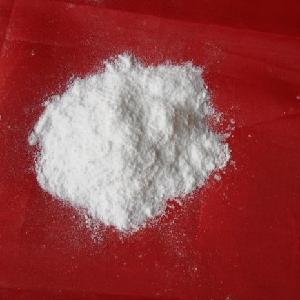
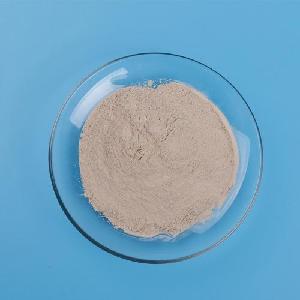
L-Threonine Raw Material
L-Threonine is generally recognized as safe (GRAS) by regulatory bodies like the FDA when used in food at typical fortification levels. Its use must comply with regional food additive standards (e.g., EU Regulation No. 1334/2008 for food flavorings). Precursor for Food Additives: Serves as a starting material for synthesizing other food ingredients, such as: Threonine-based peptides for flavor enhancement. Nutraceuticals (e.g., compounds with anti-inflammatory or immune-boosting effects).
Other supplier products
|
|
L-Methionine powder |
L-Methionine is an essential sulfur-containing amino acid that plays irreplaceable roles in protein synthesis, metabolic regulation, and physiologi... |
|
|
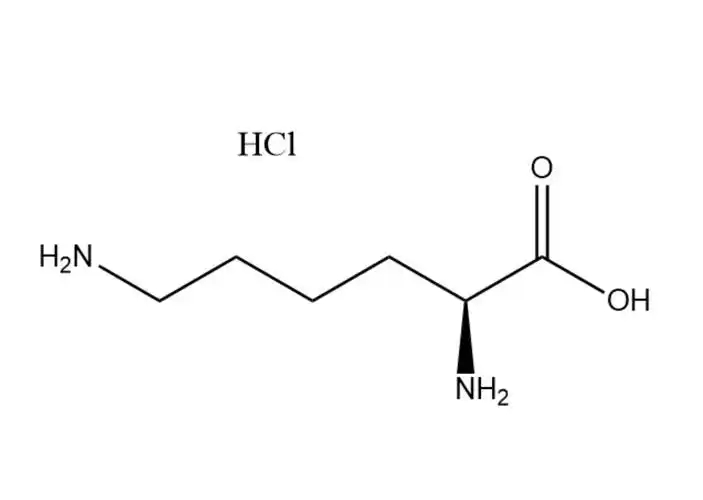
High quality L-lysine monohydrochloride |
L-lysine monohydrochloride is one of the most stable amino acid salts in industrial applications, with excellent stability in solid form and good s... |
|
|
L-proline Supplier |
The biological functions of L-prolineProtein structure maintenance: L-proline is one of the 20 common amino acids that make up proteins. Its cyclic... |
|
|
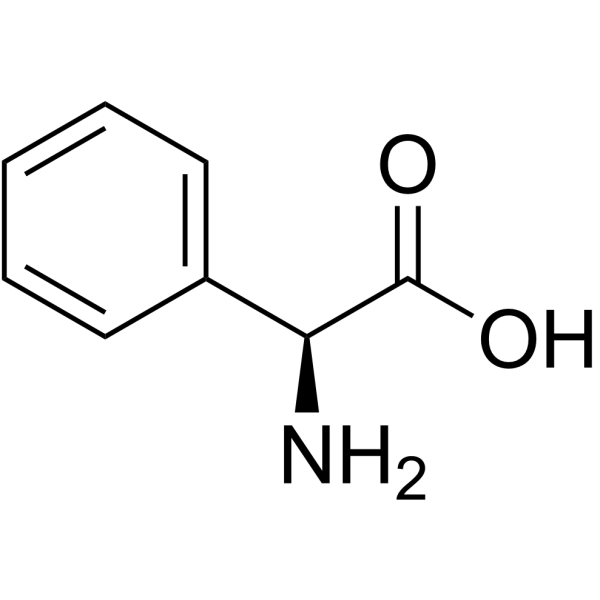
L-Phenylalanine Wholesale Price |
L-Phenylalanine is an essential amino acid with significant biological functions and various applications. Here is a detailed account:
Basic Inform... |
|
|
L-tryptophan Supply price |
L-tryptophan’s stability is influenced by food processing conditions, requiring careful handling: Sensitivity to heat and light: High-tempera... |
All supplier products
Same products