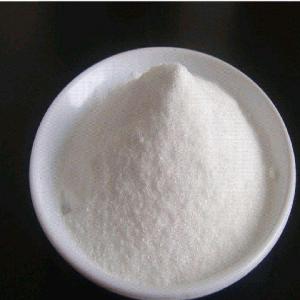
L-Threonine
L-Threonine is generally recognized as safe (GRAS) by regulatory bodies like the FDA when used in food at typical fortification levels. Its use must comply with regional food additive standards (e.g., EU Regulation No. 1334/2008 for food flavorings). Precursor for Food Additives: Serves as a starting material for synthesizing other food ingredients, such as: Threonine-based peptides for flavor enhancement. Nutraceuticals (e.g., compounds with anti-inflammatory or immune-boosting effects).
Other supplier products
|
|
L-Methionine powder |
L-Methionine is essential for the development and function of immune cells: It promotes the synthesis of antibodies (immunoglobulins) and cytokines... |
|
|
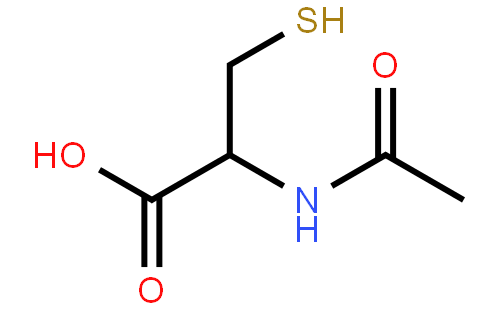
N-Acetyl-L-Cysteine |
Uses of N-Acetyl-L-Cysteine 1. Antioxidant Support: ·NAC replenishes glutathione levels, which helps neutralize free radicals and reduce oxi... |
|
|
Sucralose |
Product Name:SucraloseMolecular Weight: 397.63Molecular Formula: C12H19Cl3O8CAS Number: 56038-13-2EINECS Number: 259-952-2Appearance: White to off-... |
|
|
Sucralose |
Sucralose is a high-sweetness agent obtained by replacing the hydroxyl groups at positions 4, 1', and 6' of sucrose molecules with chlorine atoms. ... |
|
|
DL-Alanine |
DL-Alanine can interact with proteins and starches in food, modifying their structure to improve texture and stability—especially in processe... |
供应产品
Same products