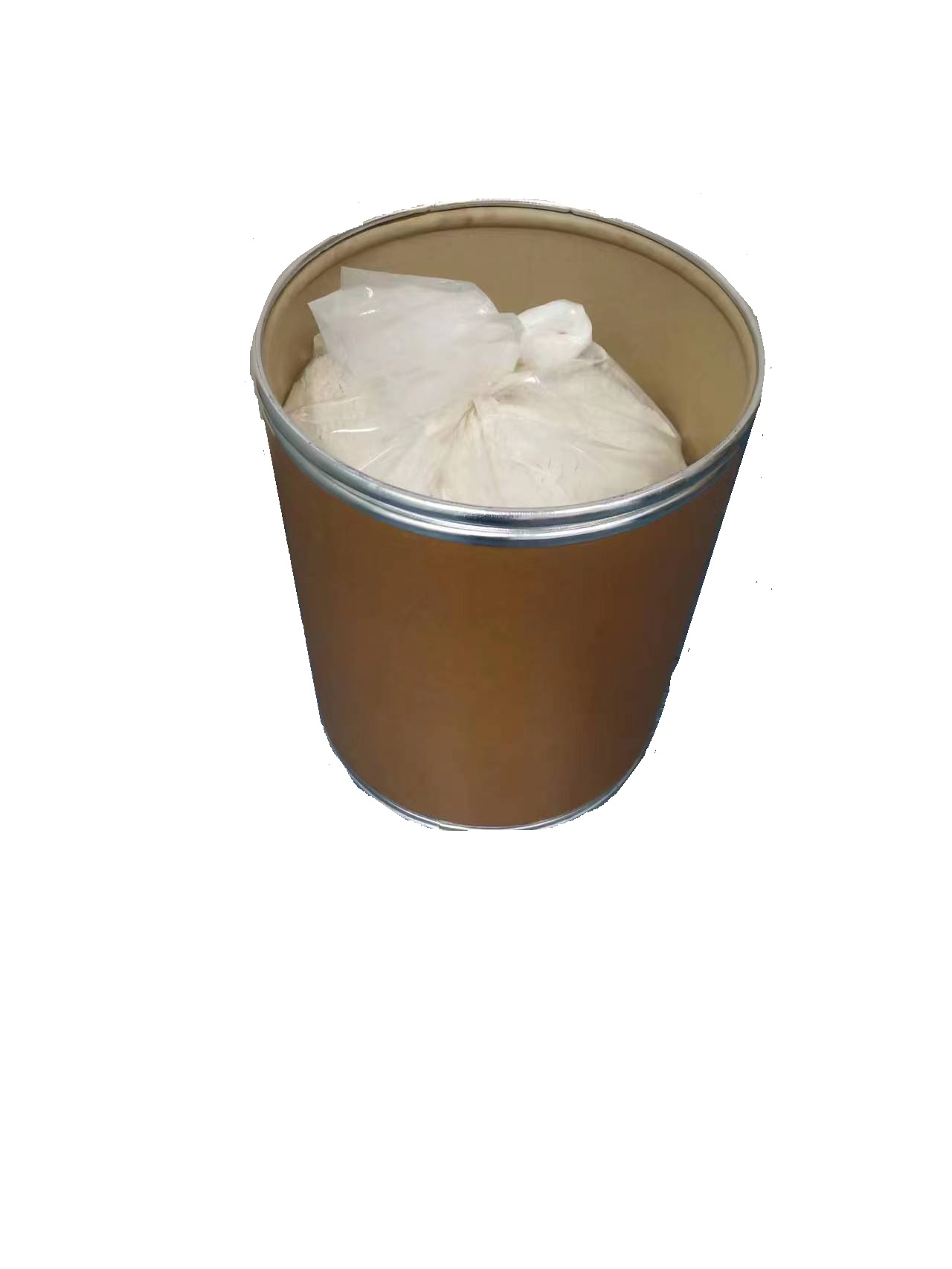
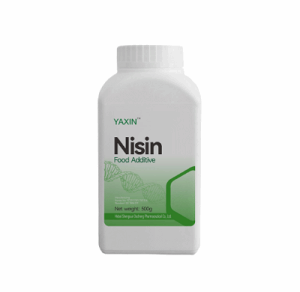
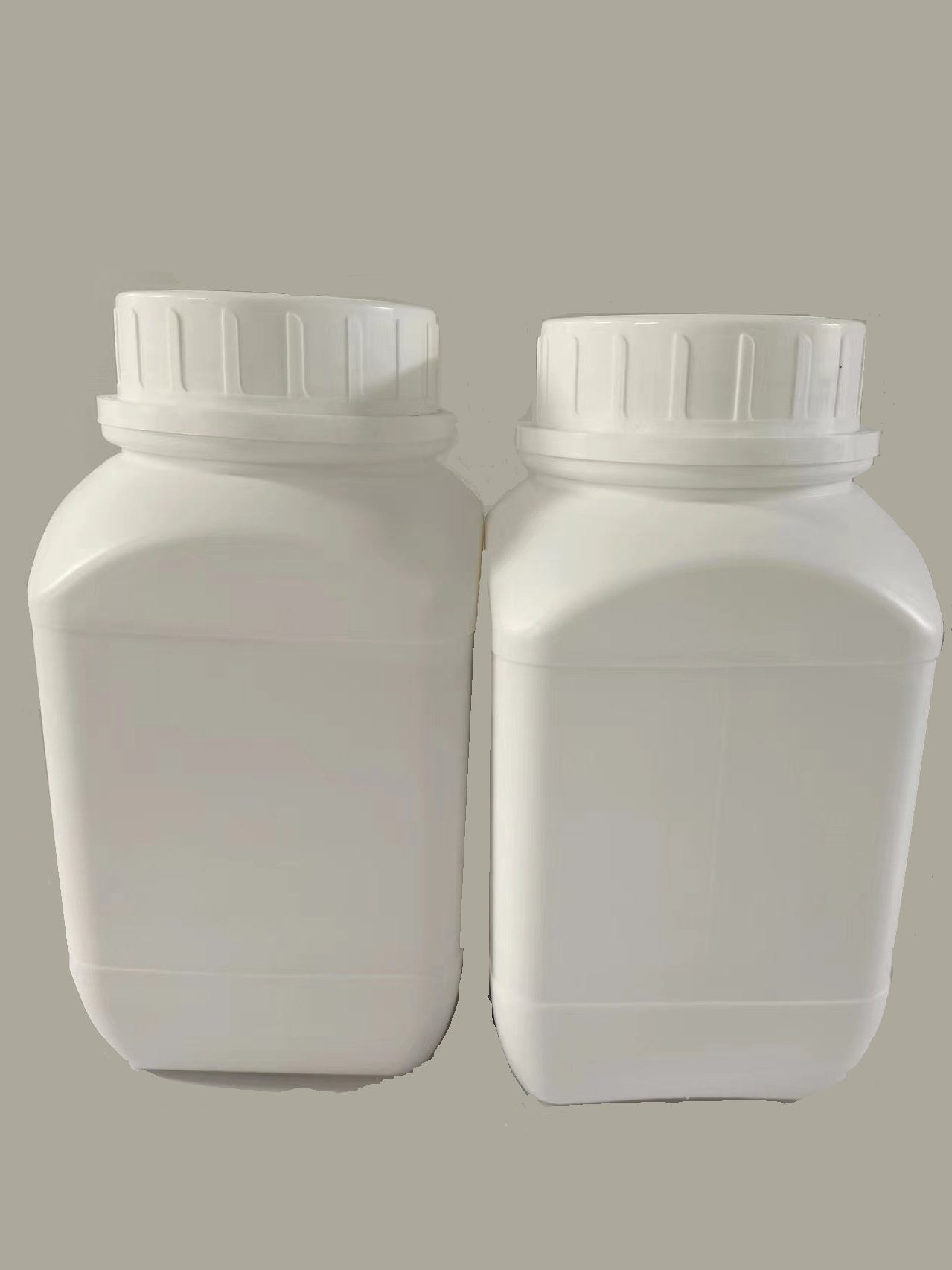
Nisin Powder Market quotation
Using nisin as a biopreservative in food requires careful attention to its properties, application conditions, and regulatory guidelines to maximize efficacy and safety. Here are the key points:
Nisin is highly effective againstGram-positive bacteria, including:
- Pathogens:Listeria monocytogenes,Staphylococcus aureus,Clostridium botulinum.
- Spoilage bacteria:Bacillus cereus,Clostridium tyrobutyricum(common in dairy and canned foods).
- It has little to no effect on Gram-negative bacteria, molds, or yeasts. For broader protection, combine with other preservatives (e.g., EDTA to disrupt Gram-negative outer membranes, or sorbates for fungi).
Nisin performs best in:
- Acidic to neutral foods(pH 2.0–6.0), where its stability and antibacterial activity are highest. Examples include dairy products (cheese, yogurt), processed meats (sausages, deli meats), canned vegetables, and beverages (fruit juices, beer).
- Low-fat or low-protein foods: High levels of fats, proteins, or minerals may bind to nisin, reducing its free concentration and efficacy. Adjust dosage in high-fat products (e.g., processed meats) accordingly.
- Follow regional regulations: Maximum allowed levels vary by food type (e.g., 12.5 mg/kg in cheese, 30 mg/kg in canned vegetables in the EU; 250 ppm in processed cheeses in the U.S.).
- Typical effective doses: 100–500 IU/g (international units per gram), depending on the food and target bacteria. Excessive use is unnecessary and may increase the risk of bacterial resistance.
- Heat stability: Nisin retains activity after high-temperature processing (e.g., pasteurization at 72°C or sterilization at 121°C), making it suitable for shelf-stable foods like canned goods and bottled drinks.
- Avoid alkaline conditions: In pH > 7.0, nisin undergoes structural degradation, losing activity. Avoid use in highly alkaline foods (e.g., some legume-based products) unless microencapsulated for protection.
Enhance efficacy by combining with:
- Organic acids(lactic acid, citric acid): Lower pH to stabilize nisin and boost antibacterial effects.
- Chelating agents(EDTA): Disrupt Gram-negative bacteria’s outer membranes, extending nisin’s spectrum.
- Physical treatments(high-pressure processing, modified atmosphere packaging): Reduce bacterial load, allowing lower nisin doses.
- Nisin isGRAS (Generally Recognized as Safe)by the FDA and approved by FAO/WHO. It is digested into amino acids in the human gut, with no reported toxicity or residues.
- No known allergic reactions, making it suitable for sensitive populations (including infants, within regulated limits).
- Store nisin in a cool, dry place (below 25°C) to prevent degradation.
- Use formulations (e.g., powder, liquid concentrates) appropriate for the food production process to ensure uniform distribution.
- Avoid overuse to prevent the development of nisin-resistant bacteria. Rotate with other preservatives or use in combination with non-chemical methods (e.g., hygiene practices, temperature control).
By adhering to these key points, nisin can effectively extend food shelf life, reduce pathogenic risks, and align with consumer demands for natural, clean-label ingredients.
Other supplier products
|
|
Heat Resistance of Nisin |
Heat Resistance of Nisin Nisin possesses excellent heat stability, a critical advantage for high-temperature processed foods. It retains over 80% ... |
|
|
Nisin Raw Material Powder 25KG |
Raw and processed meat, poultry, and seafood are primary carriers of foodborne pathogens likeListeria monocytogenes,Staphylococcus aureus, andClost... |
|
|
Nisin 500g/1Kg/25Kg |
Nisin, also known as lactococcin or transliterated as "Nisin," is a widely used natural antimicrobial peptide. Below is a detailed product introduc... |
|
|
High quality Chlortetracycline Premix |
Chlortetracycline Premix has widespread applications in livestock and poultry farming, primarily reflected in the following aspects: 1. Promotes An... |
|
|
Natamycin 7681-93-8 |
Product Name: NatamycinCAS No. 7681-93-8Molecular formula: C₃₃H₄₇NO₁₃.Molecular weight: 665.75EINECS number 231-683-5Physical and chemical properti... |
All supplier products
Same products