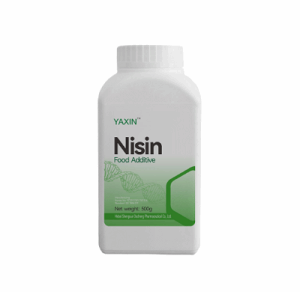
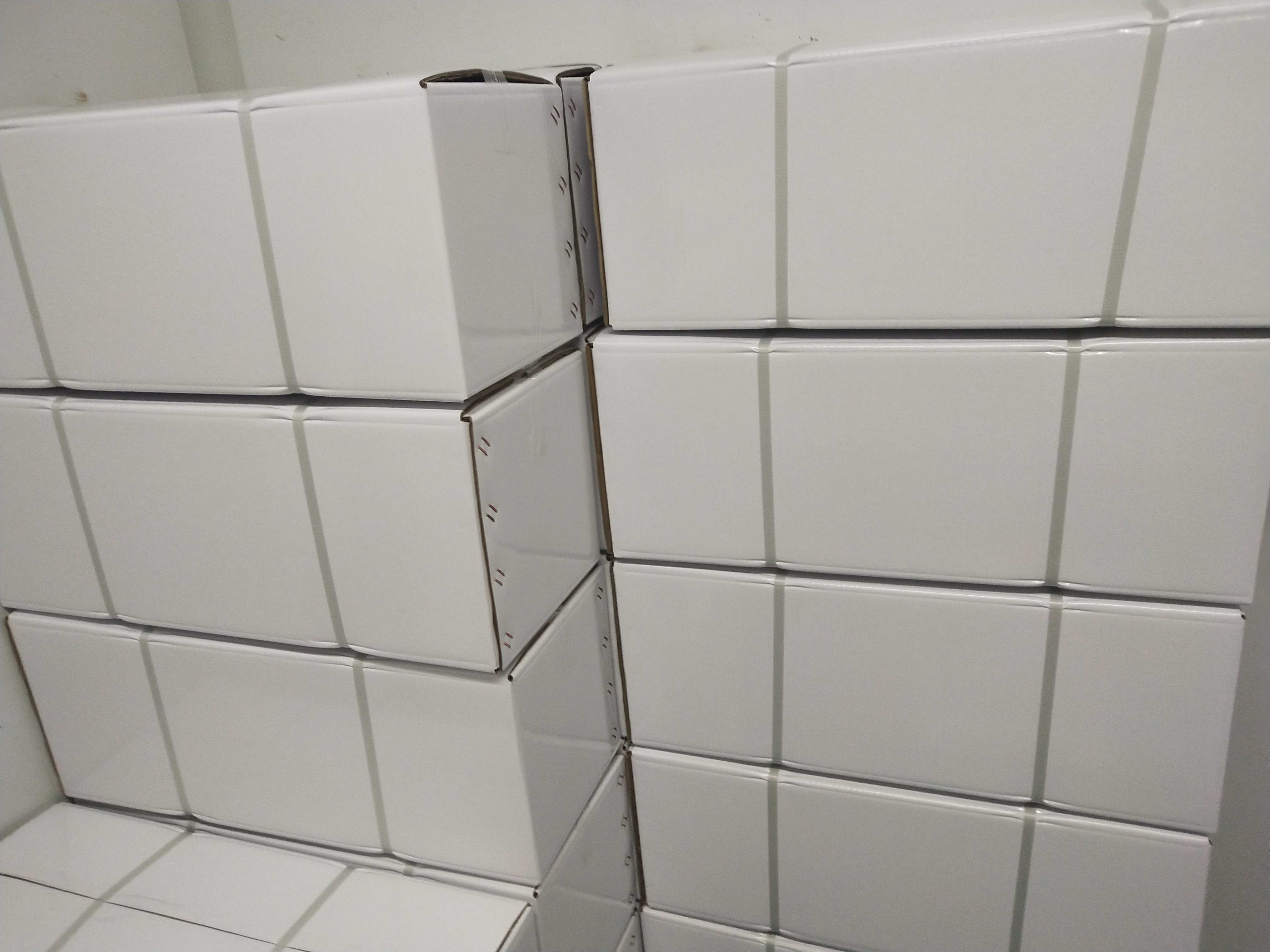
Bulk supply Nisin 500g

Since Nisin was approved for use by the FDA in 1969, it has been applied in the global food industry for over 50 years. During this period, there have been no reports of food safety incidents or health damage caused by the intake of Nisin.
The European Food Safety Authority's retrospective study in 2020 analyzed the Nisin usage data during the period from 1990 to 2020 and found no cases where consumer exposure exceeded the safety threshold.
Comparison of safety with other preservatives
Compared with chemically synthesized preservatives (such as sodium benzoate and potassium sorbate), the natural source and biodegradability of Nisin make its safety more advantageous. For example:
Sodium benzoate may generate potentially toxic benzoic acid under acidic conditions, while Nisin has high stability and harmless metabolism in acidic foods.
Potassium sorbate may cause sensitization in some populations, while the sensitization risk of Nisin is extremely low (the polypeptide structure has no homology with common allergens).
Other supplier products
|
|
Nisin 500g Partners, long-term cooperation |
The antibacterial mechanism of Nisin (Nisin) is the core for its function as a natural polypeptide preservative. It is mainly achieved through mult... |
|
|
Gentamycin Sulfate Soluble Powder 500g |
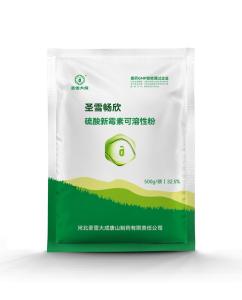
Product Name: Shengxue ChangtaiGeneric Name: Gentamycin Sulfate Soluble PowderActive Ingredient: Gentamycin SulfateDescription: Shengxue Changtai i... |
|
|
Natamycin Supply price |
As a natural biological preservative, natamycin is relatively easy to degrade in the natural environment and will not remain in the environment lik... |
|
|
Food preservative ε-Polylysine hydrochloride |
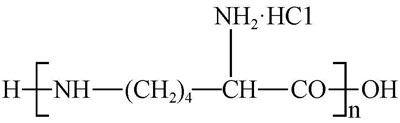
One of the key benefits of ε-Polylysine hydrochloride as a food preservative is its ability to inhibit the growth of a wide range of microo... |
|
|
Nisin Raw Material in food products |
To maximize nisin’s efficacy in food products, several factors must be considered during formulation and processing:
Dosage: The recommende... |
All supplier products
Same products