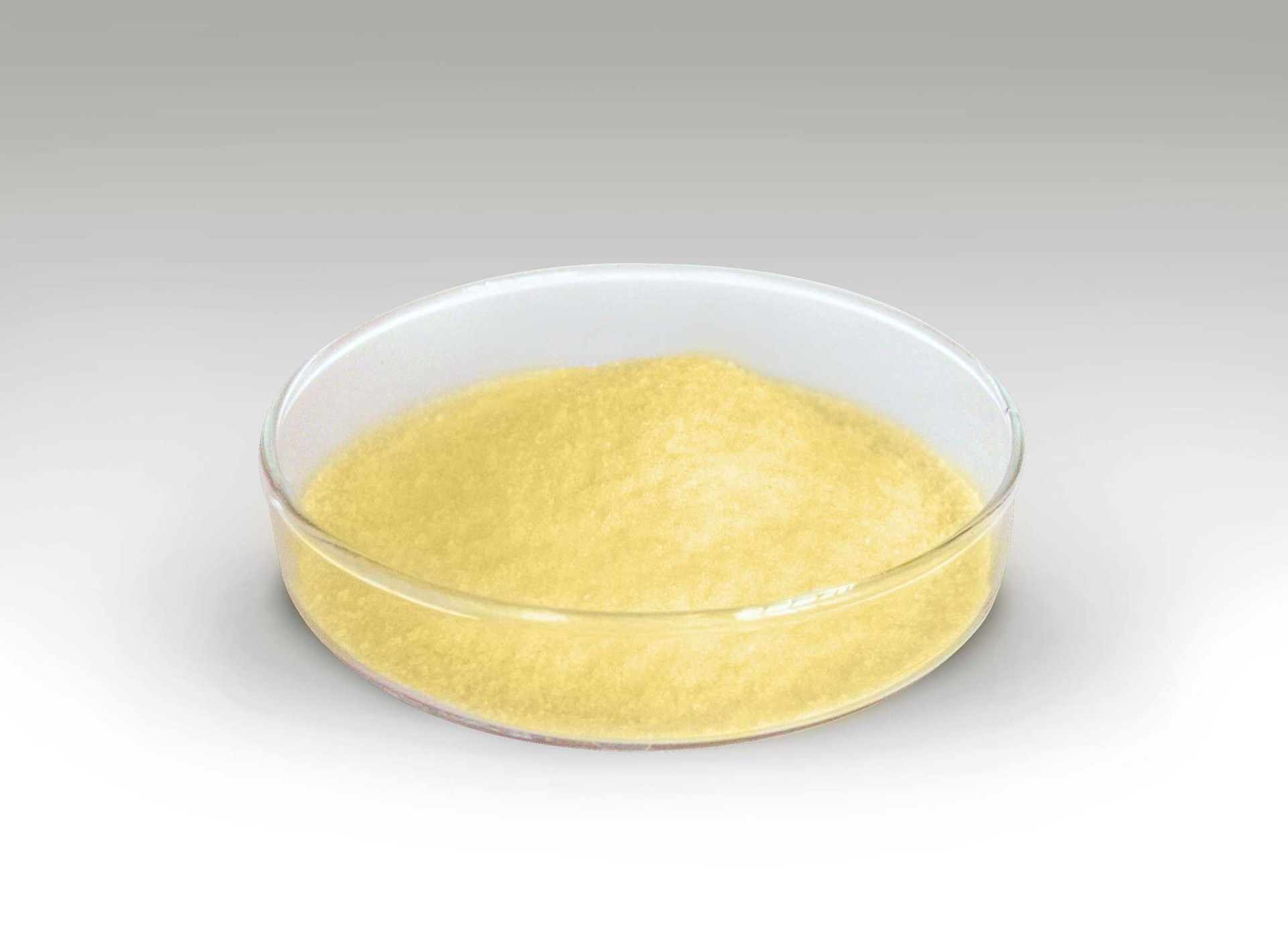
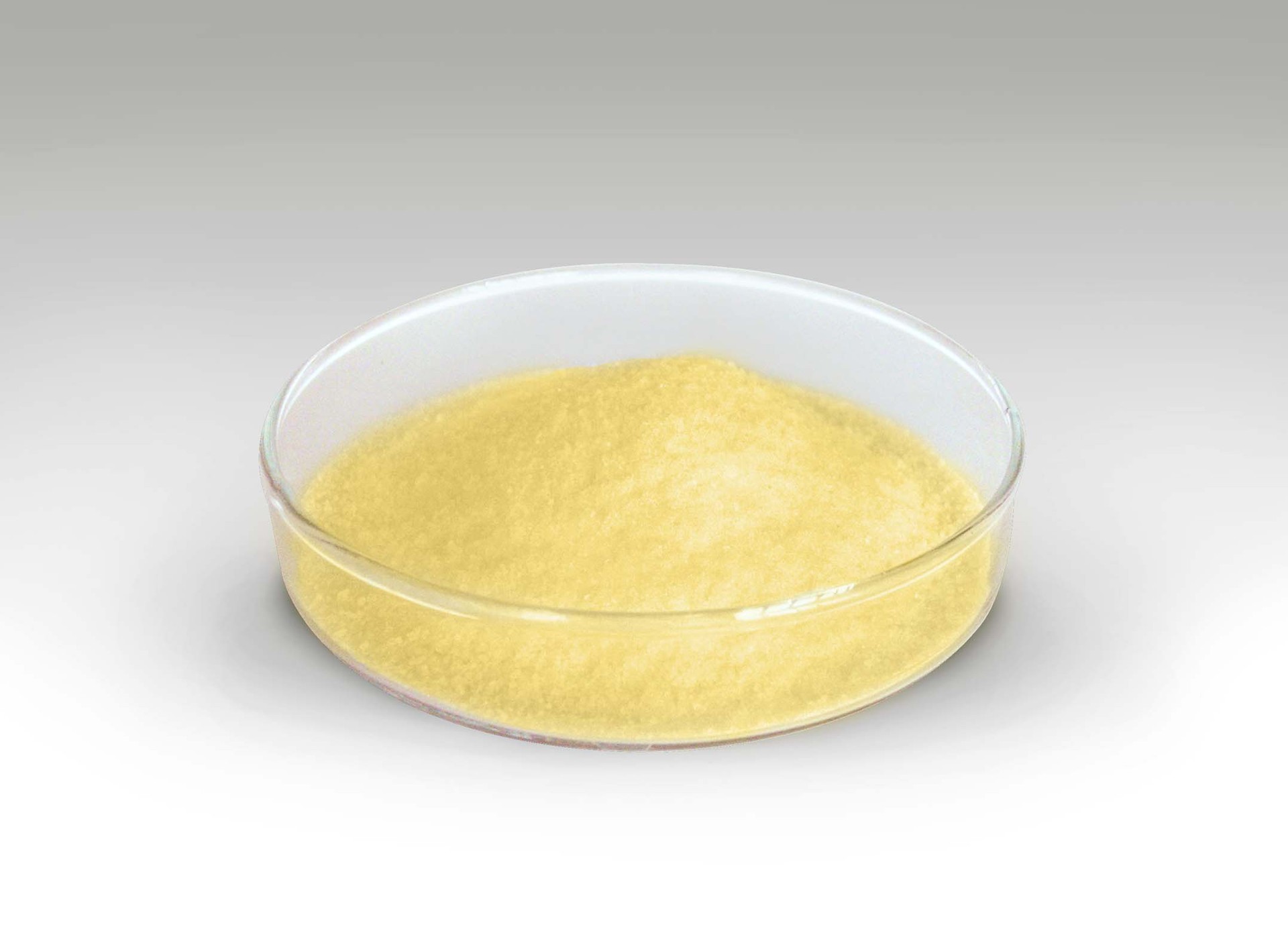
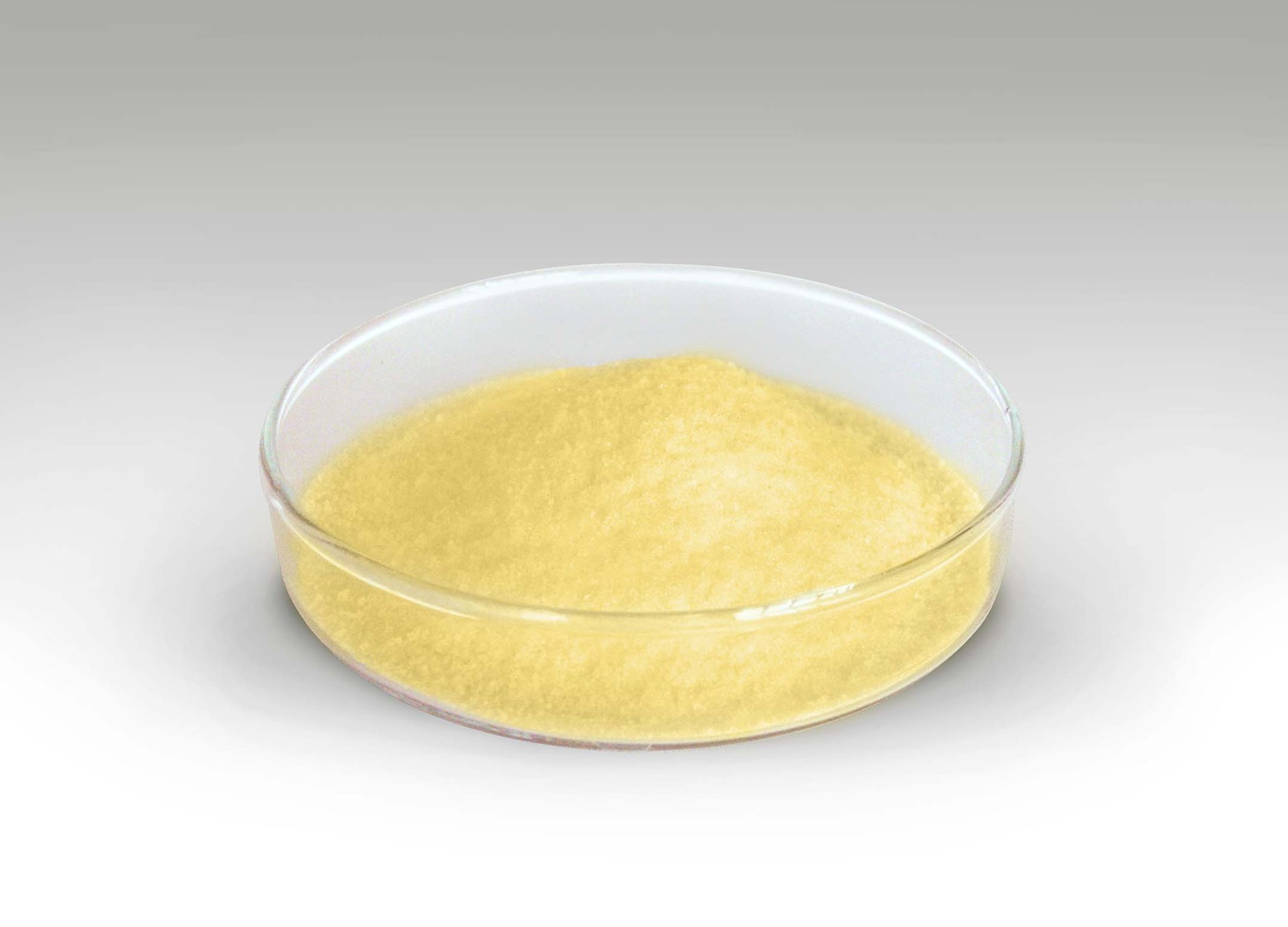
Phospholipids Food additive
To maximize efficacy and avoid quality issues or safety risks, the following precautions must be observed:
Phospholipids have a "dose-effect threshold"—excessive or insufficient use affects product quality:
- Recommended dosage range: Generally 0.1%–2.0% of the total food weight (varies by product type):
- Low dosage (0.1%–0.5%): Suitable for beverages (milk drinks, smoothies) to prevent layering; excessive use may cause a "greasy" taste.
- High dosage (1.0%–2.0%): Used in high-fat products (chocolate, ice cream) to reduce viscosity; too much can make the texture sticky (e.g., chocolate becomes hard to bite).
- Risk of excessive intake: Although phospholipids are safe (ADI value not specified by JECFA), long-term overuse in high-fat foods may increase calorie intake (phospholipids contain ~9 kcal/g, similar to fats), which needs to be considered for low-calorie product formulations.
- Purity selection: Low-purity phospholipids (≤70% purity) may contain impurities (e.g., soybean oil, carbohydrates) that affect functionality or cause off-flavors. For high-end products (chocolate, infant formula), high-purity phospholipids (≥90% purity) are recommended.
- Allergen control:
- Soy-derived phospholipids: May contain residual soy proteins, posing risks for soy-allergic consumers. Alternative sources (sunflower seed, rapeseed phospholipids) should be used for allergen-free products.
- Egg yolk-derived phospholipids: Not suitable for vegan or egg-allergic populations; clear labeling is required per food safety regulations (e.g., FDA’s Food Allergen Labeling and Consumer Protection Act).
- Processing temperature and timing:
- Add phospholipids to the oil phase first (not the water phase) during mixing, as they dissolve better in oil and disperse more evenly.
- Avoid prolonged high-temperature heating (>150°C), as this may cause oxidation (producing off-flavors) and reduce emulsifying activity.
- Storage conditions:
- Store in a cool, dry, and light-proof environment (temperature <25°C, relative humidity <60%) to prevent oxidation and clumping.
- Once opened, seal the package tightly and use within 1–2 months; oxidized phospholipids may affect food taste and safety.
- Labeling requirements: Clearly indicate the source (e.g., "soy lecithin," "egg yolk lecithin") on product packaging, not just "phospholipids," to inform consumers of potential allergens.
- Compliance with local standards: For example:
- In the EU: Must comply with Regulation (EC) No 1333/2008 on food additives, with no restrictions on usage except for specific infant foods.
- In China: Conforms to GB 1886.234-2016 (for soy lecithin) and GB 1886.235-2016 (for egg yolk lecithin), with maximum usage specified for certain foods (e.g., 0.5% in fruit juices).
Other supplier products
|
|
Phospholipids used to fortify functional foods and dietary supplements |
Phospholipids are essential nutrients for humans, playing critical roles in cell membrane structure, lipid metabolism, and brain function. As such,... |
|
|
Phosphatidylserine Supply Price |
Phosphatidylserine is a ubiquitous phosphatidylserine, which is mainly found in the inner layer of cell membranes. It is one of the components of c... |
|
|
Phospholipid powder Food additive |
Phospholipids reduce friction between food particles or between food and processing equipment, preventing sticking and improving production efficie... |
|
|
Phosphatidylserine from soy lecithin |
Phosphatidylserine is a nutrient mainly extracted from soy lecithin, it is also a rare component of soy lecithin content of only 0.5%, we usually e... |
|
|
Phosphatidylserine |
There is both natural and synthetic phosphatidylserine. The main source of phosphatidylserine on the market at present is natural soy phosphatidyls... |
All supplier products
Same products