Metabolic Characteristics of Nisin
Nisin is classified as a GRAS (Generally Recognized as Safe) substance by the FDA and FAO/WHO, with a long history of safe application in food production. Its safety is supported by toxicological data, metabolic characteristics, and regulatory standards.
Metabolic Characteristics of Nisin
Nisin is not accumulated in the human body. After oral ingestion, it is completely degraded into amino acids (alanine, serine, etc.) in the stomach and intestines within 2–4 hours, which are then absorbed and utilized for protein synthesis or energy metabolism. Unlike chemical preservatives (e.g., sodium benzoate), it does not undergo liver metabolism or produce toxic metabolites, making it safe for special populations such as infants, pregnant women, and individuals with liver/kidney disorders (within recommended doses).
Other supplier products
|
|
Nisin 1kg |
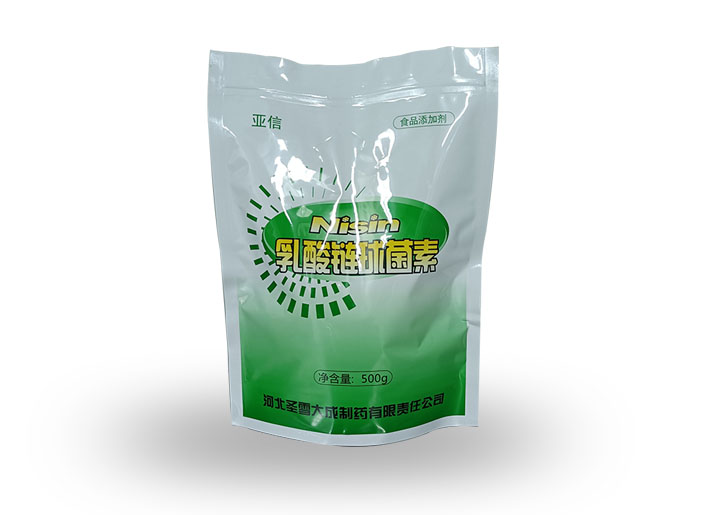
Nisin is a natural antimicrobial peptide produced by certain strains of lactic acid bacteria, particularly Lactococcus lactis. It is widely used as... |
|
|
Bulk supply Nisin 25KG |
Due to nisin's antibacterial activity against drug-resistant gram-positive bacteria (e.g., methicillin-resistant Staphylococcus aureus, MRSA), nisi... |
|
|
Nisin Powder Manufacturer |
Nisin in Canned and Processed Foods Low-Acid Canned Foods: Nisin enhances the efficacy of thermal processing, allowing lower sterilization temperat... |
|
|
Nisin Direct supply |
Nisin, a natural antimicrobial peptide, has various applications in the food industry due to its ability to inhibit the growth of certain bacteria,... |
|
|
Nisin in Beverages |
Application in Beverages: Controlling Heat-Resistant Spores and Microbial GrowthBeverages (e.g., fruit juices, beer, functional drinks) face risks ... |
All supplier products
Same products