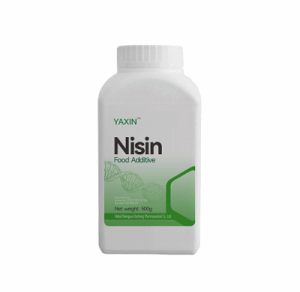
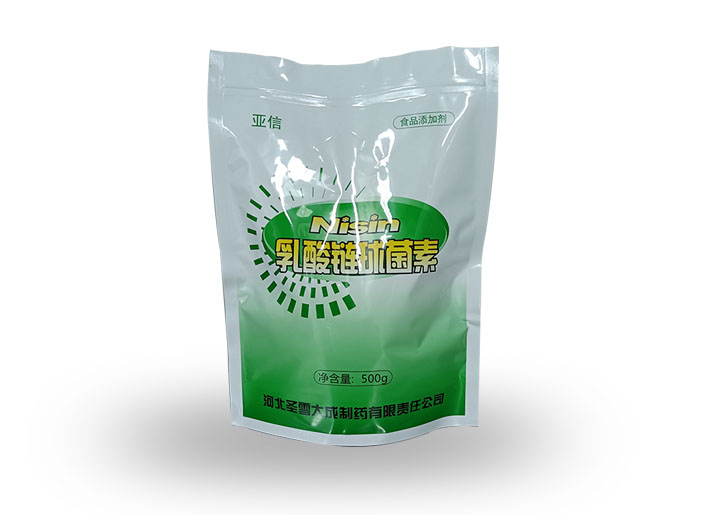
Metabolic Characteristics of Nisin
Nisin is classified as a GRAS (Generally Recognized as Safe) substance by the FDA and FAO/WHO, with a long history of safe application in food production. Its safety is supported by toxicological data, metabolic characteristics, and regulatory standards.
Metabolic Characteristics of Nisin
Nisin is not accumulated in the human body. After oral ingestion, it is completely degraded into amino acids (alanine, serine, etc.) in the stomach and intestines within 2–4 hours, which are then absorbed and utilized for protein synthesis or energy metabolism. Unlike chemical preservatives (e.g., sodium benzoate), it does not undergo liver metabolism or produce toxic metabolites, making it safe for special populations such as infants, pregnant women, and individuals with liver/kidney disorders (within recommended doses).
Other supplier products
|
|
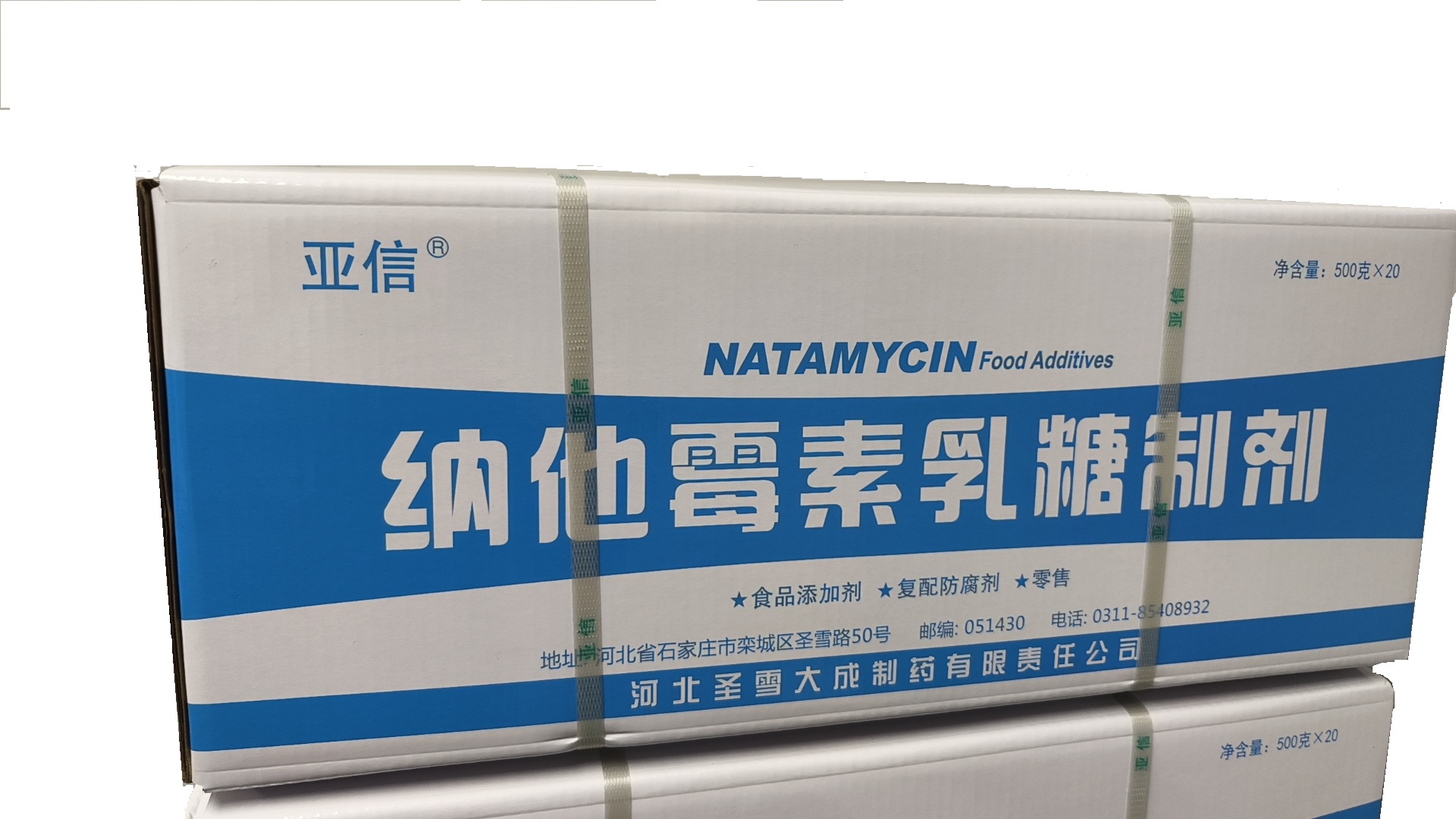
Natamycin 7681-93-8 |
Product Name: NatamycinCAS No. 7681-93-8Molecular formula: C₃₃H₄₇NO₁₃.Molecular weight: 665.75EINECS number 231-683-5Physical and chemical properti... |
|
|
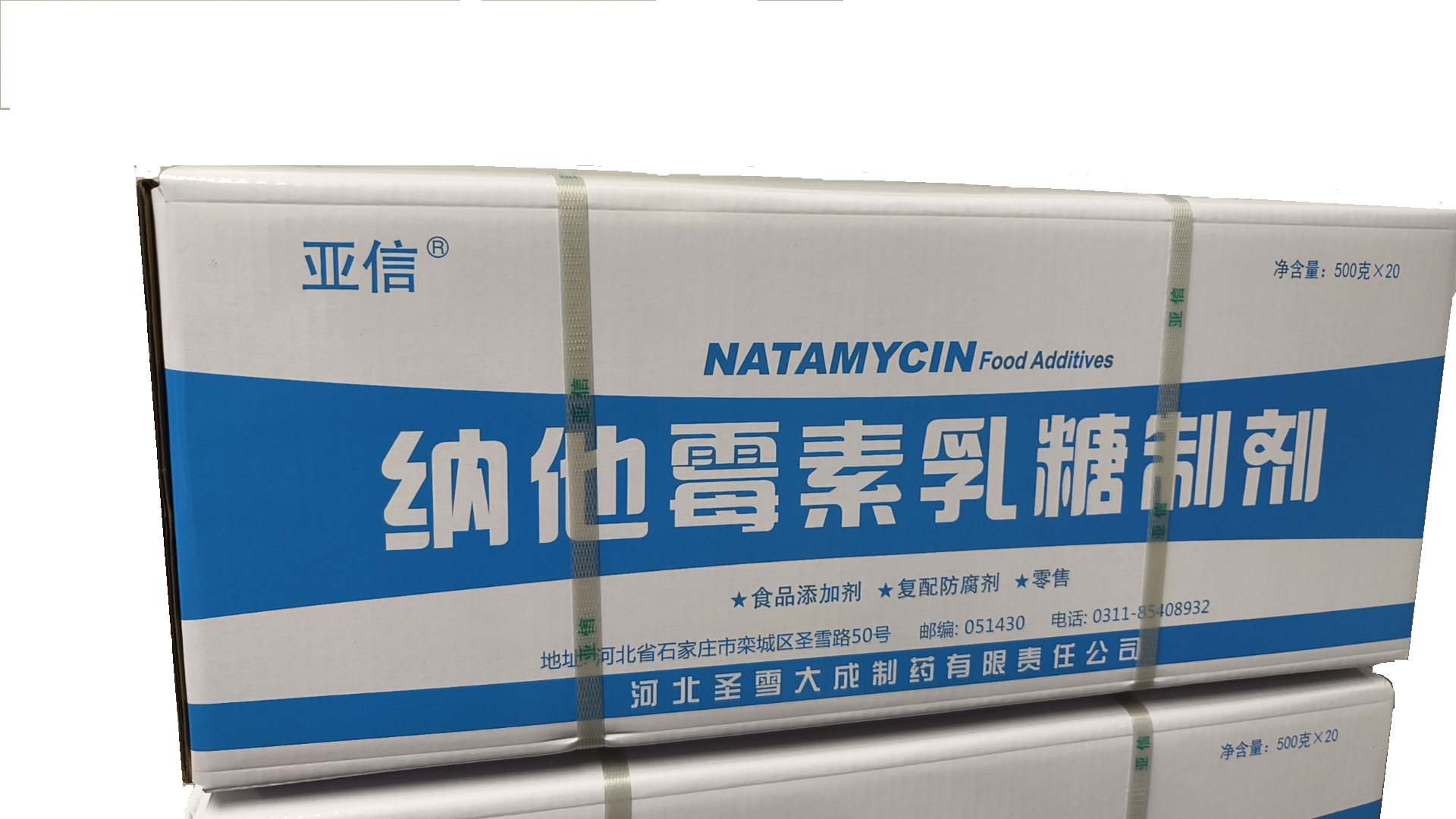
Bulk supply Natamycin |
Natamycin differs from other food preservatives in the scope of use:
Natamycin: In China, it is allowed to be used in cheese, pastries, sauces and ... |
|
|
Nisin’s stability |
Interaction with Food Matrix Nisin’s stability is significantly influenced by food components: Proteins and Fats: In high-protein or high-fat... |
|
|
Nisin in the Prepared Meal Industry |
Standardized Application of Nisin in the Prepared Meal Industry 1. Scope of Application In accordance with GB 2760—2017 National Food Safety ... |
|
|
Florfenicol Powder 20% 500g |
Florfenicol powder is a veterinary medication that is used to treat bacterial infections in livestock. The medication is a broad-spectrum antibioti... |
供应产品
Same products