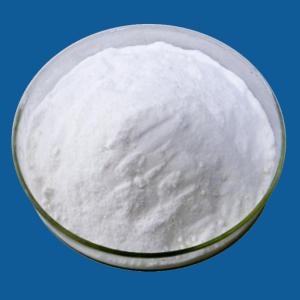
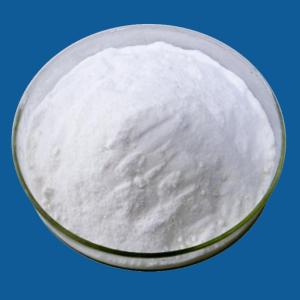
Glycine 56-40-6
The main physiological functions of Glycine
1. Synthesis of proteins
Glycine is one of the basic units that constitute the majority of proteins and is involved in the construction of tissues such as muscles, skin, and immune proteins.
2. Synthesis of important life substances
Synthesize glutathione (an important antioxidant in the body)
Synthesize creatine (provides energy for muscles)
Synthesize heme (forms hemoglobin)
Synthesize nucleic acids and collagen
3. Neurotransmitter function
Glycine is an inhibitory neurotransmitter in the central nervous system and participates in regulating movement, pain perception, and sleep.
4. Detoxification and metabolism
It can combine with harmful substances in the body to promote detoxification; participates in sugar metabolism and fat metabolism, and is an important source of one-carbon units.
Other supplier products
|
|
Glycine 56-40-6 |
The main physiological functions of Glycine1. Synthesis of proteinsGlycine is one of the basic units that constitute the majority of proteins and i... |
|
|
Sucralose Price |
Sucralose is a calorie-free, highly sweetening agent substance derived from sucrose. It is in the form of a white powder and possesses characterist... |
|
|
Glycine Partners,long-termCooperation |
Glycine is a food-grade amino acid approved by the state. Due to its high safety, sweet taste, and multiple functions such as enhancing flavor, buf... |
|
|
L-tryptophan Supply price |
L-tryptophan’s stability is influenced by food processing conditions, requiring careful handling: Sensitivity to heat and light: High-tempera... |
|
|
L-leucine Supplier |
Basic InformationChemical Formula: C6H13NO2Molecular Weight: 131.17 g/molStructure: It has a branched - chain structure with a carboxyl group (-COO... |
All supplier products
Same products