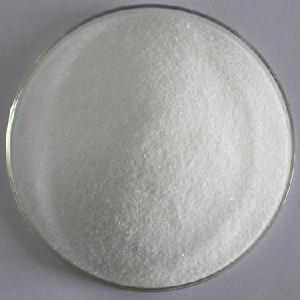
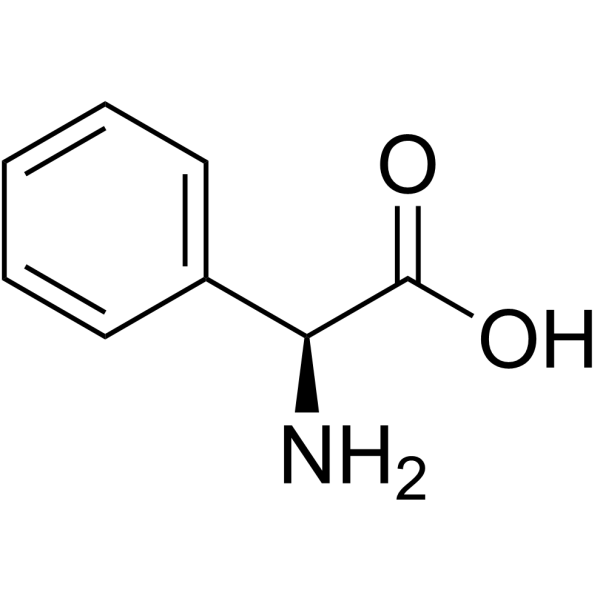
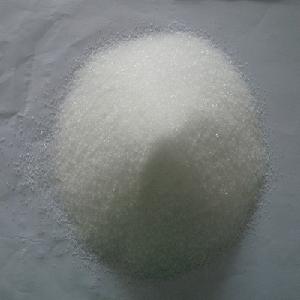
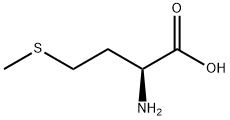
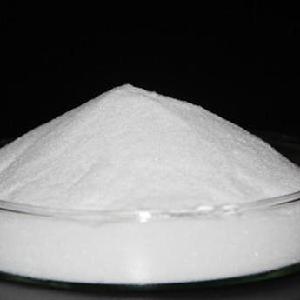
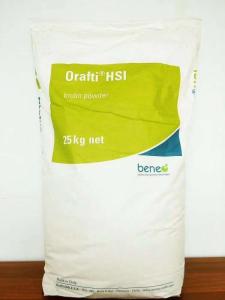
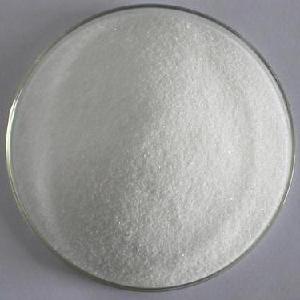
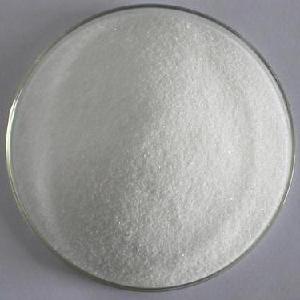
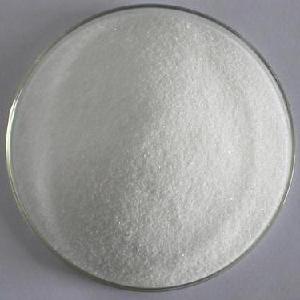
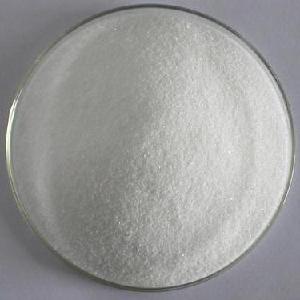
Glycine
The main physiological functions of Glycine
1. Synthesis of proteins
Glycine is one of the basic units that constitute the majority of proteins and is involved in the construction of tissues such as muscles, skin, and immune proteins.
2. Synthesis of important life substances
Synthesize glutathione (an important antioxidant in the body)
Synthesize creatine (provides energy for muscles)
Synthesize heme (forms hemoglobin)
Synthesize nucleic acids and collagen
3. Neurotransmitter function
Glycine is an inhibitory neurotransmitter in the central nervous system and participates in regulating movement, pain perception, and sleep.
4. Detoxification and metabolism
It can combine with harmful substances in the body to promote detoxification; participates in sugar metabolism and fat metabolism, and is an important source of one-carbon units.
Другие товары поставщика
|
|
L-proline |
The basic information of L-proline1. Chemical structureMolecular formula: C₅H₉NO₂Molecular weight: 115.13 g/molStructural features: The α -am... |
|
|
DL-Alanine |
DL-Alanine is an α-amino acid that participates in human energy metabolism (via the glucose-alanine cycle, which helps remove excess ammonia ... |
|
|
DL-methionine powder |
DL-Methionine is used in the food industry as a nutritional fortifier and processing aid, with applications focused on improving the nutritional qu... |
|
|
L-Glutamine |
L-Glutamine, also known as L-glutamine or L-2-aminopentanedioic acid amide, is an organic compound with the molecular formula C5H10N2O3 and a molec... |
|
|
Inulin Powder Supplier |
Product Introduction Inulin powder, derived from Jerusalem artichoke or chicory, is a natural fructooligosaccharide consisting of a fructose comple... |
Все товары поставщика
Похожие товары
|
|
Glycine |
Продавец: Shanghai Yifu Food Ingredients Co., Ltd |
Glycine is a non-essential amino acid naturally present in the human body and is also a substance... |
|
|
Glycine |
Продавец: Shanghai Yifu Food Ingredients Co., Ltd |
Glycine is an endogenous amino acid in the human body and a fundamental component of proteins. It... |
|
|
Glycine |
Продавец: Shanghai Yifu Food Ingredients Co., Ltd |
Glycine is a food-grade amino acid approved by the state. Due to its high safety, sweet taste, an... |
|
|
Glycine |
Продавец: Shanghai Yifu Food Ingredients Co., Ltd |
Glycine has three reaction centers: amino group, carboxyl group, and methylene group. It has typi... |
|
|
Glycine Supply price |
Продавец: Shanghai Yifu Food Ingredients Co., Ltd |
Physical properties of glycine1. Appearance and OdorAt room temperature, it is a white crystallin... |