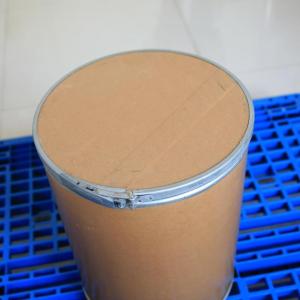
L-Cysteine S-Sulfate Na

Pharmaceutical and Biomedical Engineering
The good biocompatibility and unique chemical properties of L-Cysteine S-Sulfate Na make it a potential raw material for drug synthesis and biomedical materials, with broad application prospects in the fields of anti-oxidative damage, heavy metal detoxification, and tissue engineering.
Auxiliary drug for oxidative stress-related diseases: Oxidative stress is the core pathogenesis of many chronic diseases such as liver cirrhosis, chronic kidney disease, and neurodegenerative diseases. As a precursor of glutathione synthesis, this compound can supplement intracellular GSH levels, scavenge excess ROS, and reduce oxidative damage to cells. Clinical studies have shown that oral administration of this compound can improve the liver function index of patients with non-alcoholic fatty liver disease and reduce the level of oxidative stress markers in serum.
Heavy metal detoxification agent: L-Cysteine S-Sulfate Na has multiple coordination sites (amino nitrogen, carboxylate oxygen, sulfonate sulfur) and can form stable water-insoluble complexes with toxic heavy metal ions such as Pb²⁺, Cd²⁺, and Hg²⁺, which are excreted through the digestive tract. Compared with traditional chelating agents such as dimercaptosuccinic acid (DMSA), it has lower toxicity and does not easily cause the loss of essential metal ions such as Zn²⁺ and Fe²⁺, making it suitable for the adjuvant treatment of heavy metal poisoning.
Biomedical material modifier:L-Cysteine S-Sulfate Na can be used as a surface modifier for biodegradable materials such as polylactic acid (PLA) and chitosan. By covalently bonding with the surface groups of materials, it can introduce hydrophilic sulfonate and amino groups, improving the water solubility and cell adhesion of materials. Modified materials are widely used in the preparation of tissue engineering scaffolds and drug delivery carriers, as they can promote the proliferation and differentiation of cells and improve the biocompatibility of materials.
Other supplier products
|
|
Pidotimod |
1. Basic Information Product Name: Pidotimod Aliases: Pulimo, Puleyi, Pidotimod Main Chemical Component: 3-L-pyroglutamyl-thiazolidine-4-carboxylic... |
|
|
DL-tryptophan |
Storage Methods Control of Environmental Conditions Temperature: Store in a cool, dry place at 2–8°C (36–46°F) for long-term st... |
|
|
N-Acetyl-L-Tryptophan |
N‑Acetyl‑L‑Tryptophan in Pharmaceutical & Biomedical Research (Core) Neurodegenerative Disease Research NK‑1 receptor antagonist: Blocks substa... |
|
|
BOC-L-GLU(ME)-OME |
The chiral center and multi-functional group characteristics of BOC-L-GLU(ME)-OME make it an important raw material for synthesizing chiral ligands... |
|
|
L-Cysteine S-Sulfate Na |
Hygroscopicity and Hygroscopic Stability of L-Cysteine S-Sulfate NaL-cysteine S-sulfate sodium salt has moderate hygroscopicity. Under ambient cond... |
供应产品
Same products
|
|
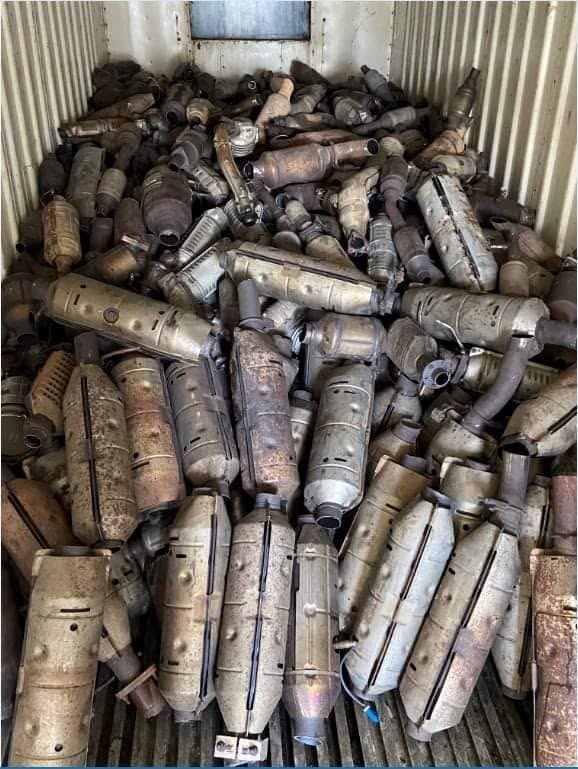
Catalytic Converter Scrap Supplier, Catalytic Converter Scrap for Sale, , Catalytic Converter Scrap, Catalytic Scrap for Sale, Catalytic Scrap Supplier, Scrap Catalytic Supplier |
卖方: Trucont LLC |
Trucont LLC 持续供应催化转化器废料,可立即装运发货。我们为全球各地的回收公司、金属加工商、汽车回收商、废料贸易商和买家提供优质的催化转化器废料。我们的催化转化器废料经过精心收集、分类... |
|
|
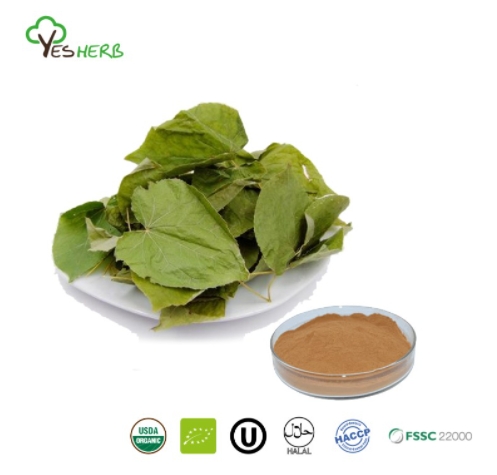
Epimedium Extract |
卖方: Fruit Powder,Vegetable Powder |
Product Name: Epimedium ExtractLatin Name: Epimedium Sagittatum Maxim.Specification: Icariin 5%, ... |
|
|
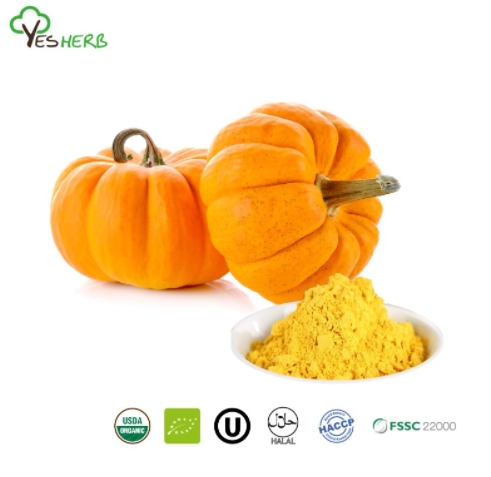
Pumpkin Powder |
卖方: Fruit Powder,Vegetable Powder |
Product Name: Pumpkin PowderLatin Name: Cucurbita pepo L.Used Part: FruitAppearance: yellow fine ... |
|
|
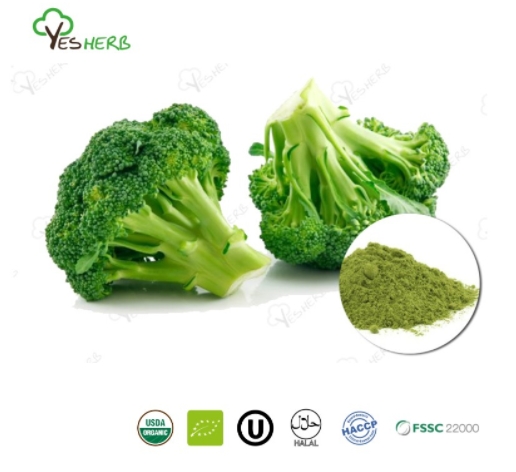
Broccoli Powder |
卖方: Fruit Powder,Vegetable Powder |
Product Name: Broccoli powder
Latin Name: Brassica oleracea L.var.italic Planch.
Used Part: Who... |
|
|
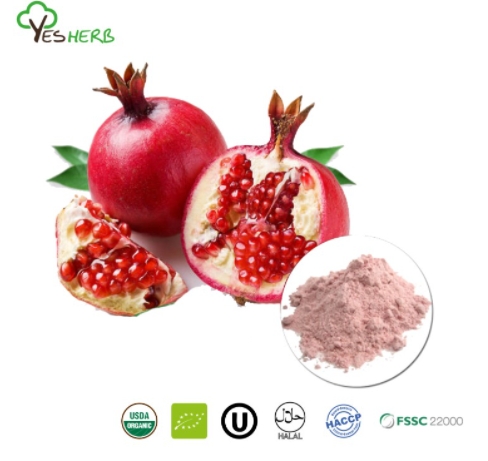
Pomegranate Powder |
卖方: Fruit Powder,Vegetable Powder |
Product Name: Pomegranate PowderLatin Name: Punica granatum linn.Used Part: Fruit juiceAppearance... |