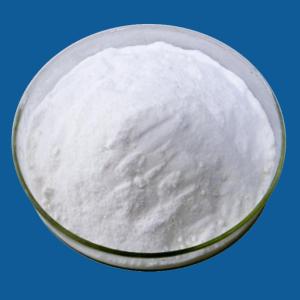
Cystine Disodium Salt
The amino groups and carboxylate groups of Cystine Disodium Salt retain the characteristic reactivity of amino acids, enabling it to participate in peptide bond formation and derivatization reactions.
- Peptide synthesis: Although Cystine Disodium Salt is less commonly used in direct peptide synthesis than protected cysteine derivatives, its amino groups can react with the carboxyl groups of other amino acids under the catalysis of condensing agents (e.g., EDCI/HOBt, HATU) to form peptide bonds. This reaction is typically carried out in neutral aqueous or DMF solutions to avoid acid-induced precipitation of L-cystine.
- Ninhydrin reaction: Similar to other amino acids, Cystine Disodium Salt reacts with ninhydrin reagent under heating to produce a purple-colored complex. This colorimetric reaction is a standard method for qualitative and quantitative analysis of the compound in biological samples and formulations, with a detection limit of 0.1 μg/mL.
- Acylation reaction: The amino groups of Cystine Disodium Salt can undergo acylation with acylating agents (e.g., acetic anhydride, benzoyl chloride) to form N-acyl derivatives. These derivatives have improved lipid solubility and are often used as intermediates in the synthesis of cystine-containing drugs.
Other supplier products
|
|
BOC-L-GLU(ME)-OME |
Boc-L-Glu(OMe)-OMe is a protected L-glutamic acid derivative (not a bioactive or therapeutic agent) with a single core mechanism of action: serving... |
|
|
Manufacturer |
Glycyl-glycine serves as a readily available source of glycine, an essential amino acid involved in numerous biosynthetic pathways. It can be hydro... |
|
|
N-Acetyl-L-Tryptophan |
N-Acetyl-L-Tryptophan in Biochemical & Molecular Biology Tool Tryptophanase inhibitor: Competitive inhibitor for tryptophan‑degrading enzymes; ... |
|
|
Cystine Disodium Salt Powder |
Cystine is recognized as a "beauty amino acid" because it supports the synthesis of keratin, which is essential for maintaining the strength and lu... |
|
|
N‑Acetyl‑L‑Tryptophan |
N‑Acetyl‑L‑Tryptophan of Chemical Properties 1. Acidity & pKa Carboxyl Group (–COOH): pKa = 3.65 ± 0.10 (predicted) Amide & In... |
供应产品
Same products