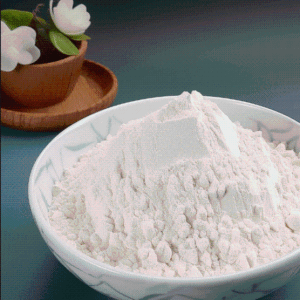
N‑Acetyl‑L‑Tryptophan
N‑Acetyl‑L‑Tryptophan of Chemical Properties
1. Acidity & pKa
Carboxyl Group (–COOH): pKa = 3.65 ± 0.10 (predicted)
Amide & Indole NH: No significant ionization in pH 1–12.
pH of Aqueous Solution: ~4.5 (1% suspension)
2. Hydrolysis
Acidic Hydrolysis (1 M HCl, 100 °C): Cleaves acetamide bond → L‑tryptophan + acetic acid.
Neutral/Basic Hydrolysis: Slow at room temperature; rapid at pH >10 and 80 °C.
3. Reactions
Acetamide Group: Undergoes deacetylation, amidation, or condensation with aldehydes.
Indole Ring: Electrophilic substitution (e.g., nitration, halogenation) at C‑2/C‑3; oxidation by strong oxidants (e.g., KMnO₄) to form indigo derivatives.
Carboxyl Group: Forms esters (with alcohols) or salts (with NaOH/NH₃).
4. Racemization
Conditions: High temperature (>150 °C) or strong base (pH >12).
Rate: Slow under normal processing; <1% racemization at pH 7 and 100 °C for 2 h.
Other supplier products
|
|
Hydantoin |
Hydantoin - based drugs have important pharmacological activities. For instance, phenytoin, a well - known hydantoin derivative, is a first - line ... |
|
|
L-Cysteine S-Sulfate Na |
Cosmetics IndustryDriven by the demand for natural and safe cosmetic ingredients, L-Cysteine S-Sulfate Na is gradually applied in skin care and hai... |
|
|
Export |
Glycyl-glycine can interact with certain enzymes as a cofactor or modulator, influencing their activity: It may act as a substrate analog for pepti... |
|
|
L-Cysteine S-Sulfate Na |
Hydrolysis Properties of L-Cysteine S-Sulfate NaThe functional groups in L-cysteine S-sulfate sodium salt are prone to hydrolysis under acidic or a... |
|
|
Boc-L-Pyroglutamic Acid Ethyl Ester |
1. Basic Information Product Name: Boc-L-Pyroglutamic Acid Ethyl Ester / Boc-Pyr-Oet Chemical Formula: C7H11NO3 Molecular Weight: 157.17 CAS Regist... |
供应产品
Same products