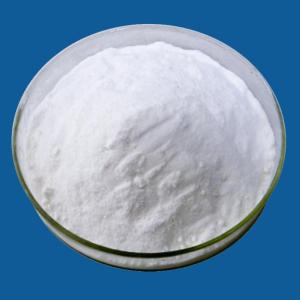
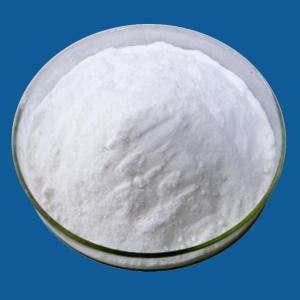
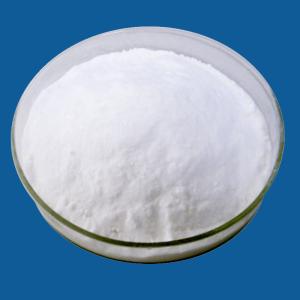
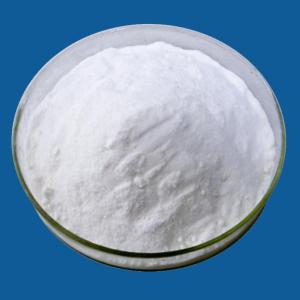
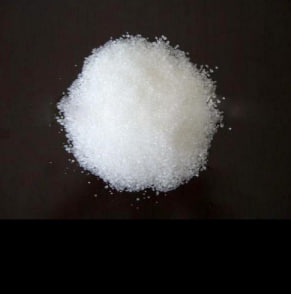
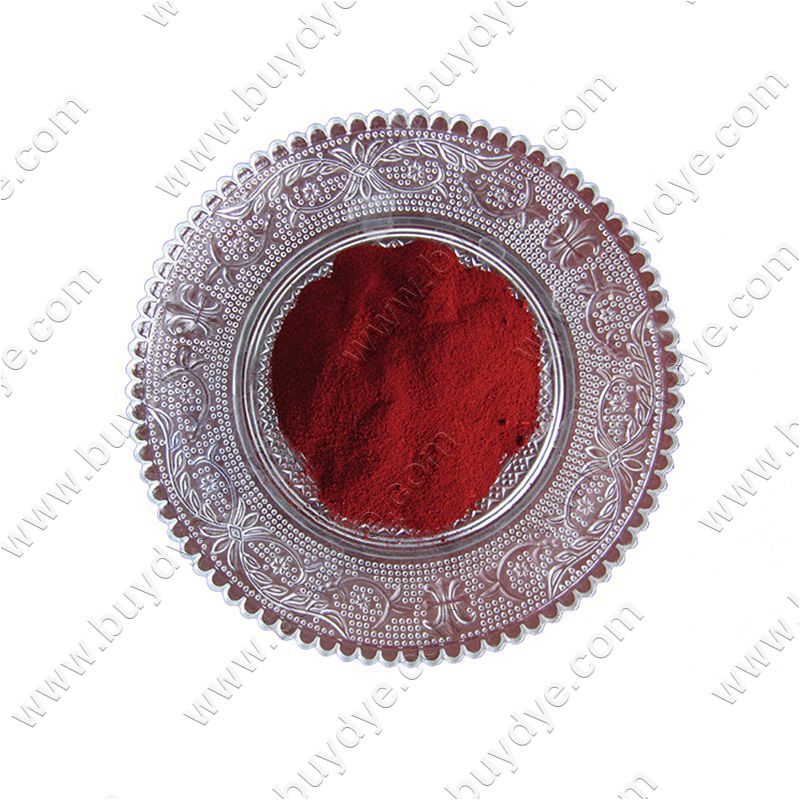
Cystine Disodium Salt Powder
Cystine Disodium Salt acts as an effective metal chelator through its amino, carboxylate, and disulfide groups, which can form stable soluble complexes with toxic heavy metal ions (e.g., Cu²⁺, Pb²⁺, Cd²⁺, Hg²⁺). This property allows it to be used in the clinical treatment of heavy metal poisoning:
- It binds to heavy metal ions in the body to form non-toxic chelates that are excreted via the kidneys, reducing the accumulation of heavy metals in organs like the liver, kidneys, and brain.
- Unlike some synthetic chelators that may cause side effects such as mineral loss, Cystine Disodium Salt is biocompatible and does not disrupt the balance of essential trace elements (e.g., Zn²⁺, Fe³⁺) at therapeutic doses.
Other supplier products
|
|
L-Cystine dihydrochloride |
L-cysteine is a sulfur-containing non-essential amino acid, being the dimeric form of L-cysteine. Cysteine is the source of disulfide bonds in prot... |
|
|
Glycyl-glycyl-glycine |
Glycyl-glycyl-glycine, also known as triglycine, is a tripeptide composed of three glycine molecules linked by peptide bonds. Its usage features ar... |
|
|
Cystine Disodium Salt |
Cystine Disodium Salt, as an ionic derivative of L-cystine, possesses a unique combination of physical and chemical properties that endow it with d... |
|
|
N-Acetyl-L-Tryptophan |
N-Acetyl-L-Tryptophan in Biochemical & Molecular Biology Tool Tryptophanase inhibitor: Competitive inhibitor for tryptophan‑degrading enzymes; ... |
|
|
L-Alanyl-L-Tyrosine |
Storage conditions of L-Alanyl-L-TyrosineBasic storage requirementsTemperature: It is recommended to store in a frozen environment at -20° C. I... |
供应产品
Same products