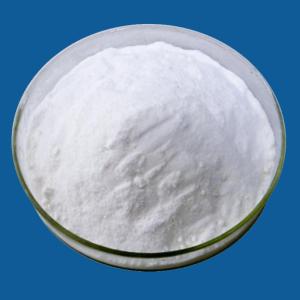
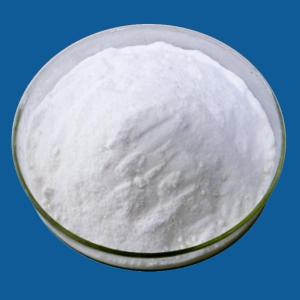
Cystine Disodium Salt Powder
The reversible redox reaction of the disulfide bond in Cystine Disodium Salt makes it a critical reagent in protein biotechnology, especially for the refolding of recombinant proteins expressed in E. coli:
- Recombinant proteins often form insoluble inclusion bodies with misfolded disulfide bonds. Cystine Disodium Salt is used in combination with reducing agents (e.g., DTT, β-mercaptoethanol) to create a redox buffer, which helps restore the correct disulfide bond formation and native conformation of the target protein.
- Compared to other disulfide-containing reagents, its high water solubility and low toxicity make it suitable for large-scale protein refolding processes in biopharmaceutical production.
Other supplier products
|
|
L-Cysteine S-Sulfate Na |
Amino Group (-NH_2) Reactivity of L-Cysteine S-Sulfate NaThe α-amino group in the molecule has typical primary amine reactivity and can under... |
|
|
Wholesale |
Due to glycyl-glycine's amphoteric nature (containing both amino and carboxyl groups), glycyl-glycine acts as a physiological buffer in biological ... |
|
|
Cystine Disodium Salt Powder |
Cystine is a conditionally essential amino acid that plays a key role in protein synthesis, glutathione production, and maintaining redox balance i... |
|
|
Glycyl-glycine |
Glycyl-glycine is a source of glycine for nutritional support Glycine is a conditionally essential amino acid involved in critical biological proce... |
|
|
Wholesale Price |
Pharmaceutical and Drug Development of L-Alanyl-L-cystine Drug Intermediate or Building Block It can be used as a synthetic precursor for peptide-b... |
供应产品
Same products