L-leucine
Basic Information
Chemical Formula: C6H13NO2
Molecular Weight: 131.17 g/mol
Structure: It has a branched - chain structure with a carboxyl group (-COOH), an amino group (-NH₂), and a side chain of isobutyl group. The specific structure is H₂N - CH(COOH) - CH₂ - CH(CH₃)₂.
Properties
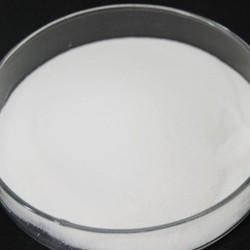
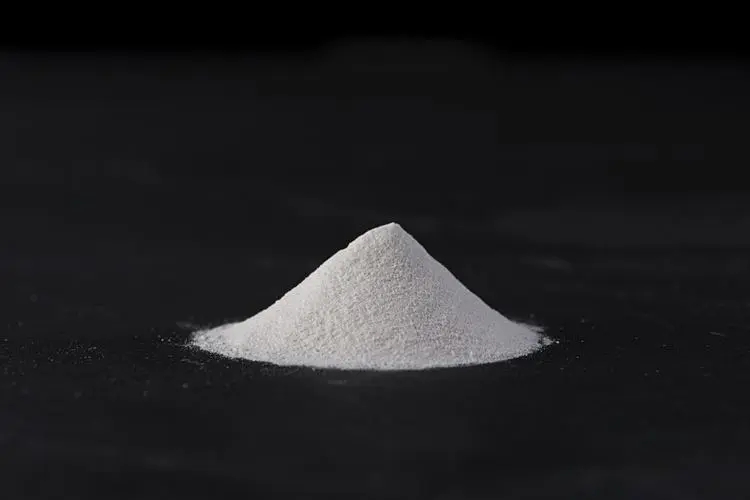
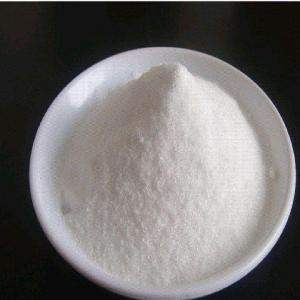
Physical Properties: It is a white crystalline powder, odorless, and has a slightly bitter taste. It is soluble in water to a certain extent and insoluble in most organic solvents.
Chemical Properties: It has the typical chemical properties of amino acids. The amino group can react with acids to form salts, and the carboxyl group can react with bases to form salts. It can also participate in various biochemical reactions such as peptide bond formation.
Other supplier products
|
|
L-leucine |
L-leucine is an essential amino acid, which means it cannot be synthesized by the human body and must be obtained through diet. Dietary Sources Ani... |
|
|
DL-Alanine Powder |
The original commercial packaging of DL-Alanine is designed for its stability:
Unopened products: Keep in the original sealed bag/bucket (usually... |
|
|
DL-Methionine |
Hygroscopicity and Bulk Properties of DL-MethionineHygroscopicity: DL-methionine has weak hygroscopicity. Under ambient conditions (25 °C, rela... |
|
|
Sucralose powder Food additive |
Sucralose, as a new generation of high-sweetness sweetener, has demonstrated comprehensive and outstanding application advantages in the fields of ... |
|
|
L-tryptophan |
L-tryptophan, an essential amino acid that the human body cannot synthesize on its own and must obtain from the diet, plays important roles in food... |
供应产品
Same products