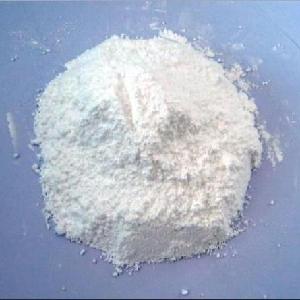
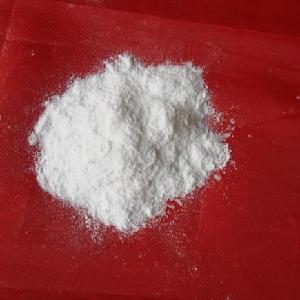
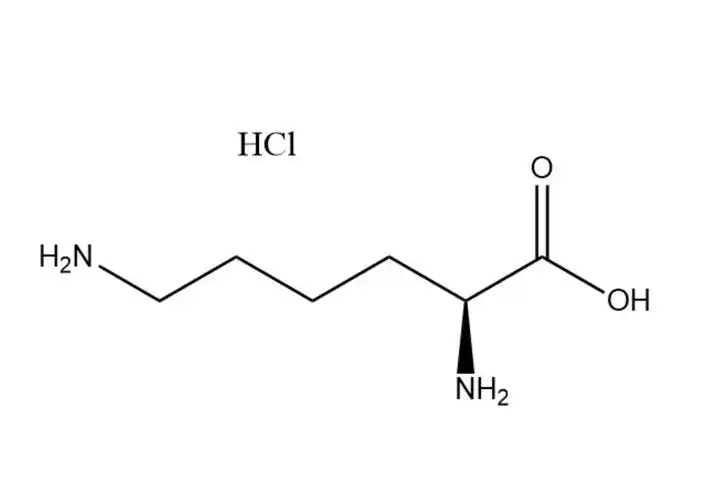
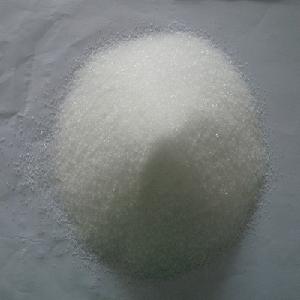
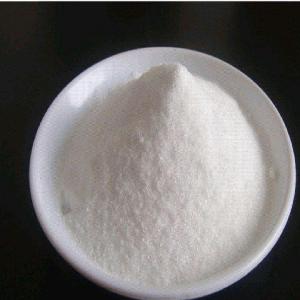
L-Cysteine hydrochloride monohydrate
Handling and Storage Practices
1. Sealing After Use
Immediate Re-Sealing: After opening, remove the required amount quickly and re-seal the container tightly to prevent prolonged exposure to air.
Avoid Contamination: Use clean, dry utensils to scoop the powder, as moisture or foreign substances on tools can compromise the product.
2. Shelf Life and Rotation
Expiry Date Adherence: Follow the manufacturer’s recommended shelf life (typically 2–3 years when stored properly).
First-In-First-Out (FIFO) Rotation: Use older batches first to prevent degradation over time.
Other supplier products
|
|
High quality L-Phenylalanine |
Forms of Phenylalanine: ·L-Phenylalanine: The natural form of phenylalanine found in food and used in supplements. ·DL-Phenylalanine ... |
|
|
L-Cysteine hydrochloride monohydrate |
Packaging Requirements1. Primary PackagingSealable Bags/Bottles: Use hermetically sealed bags (e.g., foil-lined packages) or airtight bottles with ... |
|
|
L-Lysine monohydrochloride |
Melting Point and Thermal Properties of L-Lysine monohydrochloride
Melting point (decomposition point): 263–264 °C (dec.). L-lysine mono... |
|
|
DL-Alanine |
DL-Alanine is an α-amino acid that participates in human energy metabolism (via the glucose-alanine cycle, which helps remove excess ammonia ... |
|
|
Sucralose |
Thermal properties of SucraloseMelting point / Decomposition point: Approximately 125°C (decomposition temperature), some testing methods give ... |
供应产品
Same products