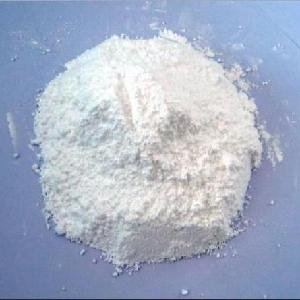
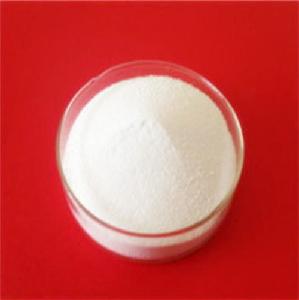
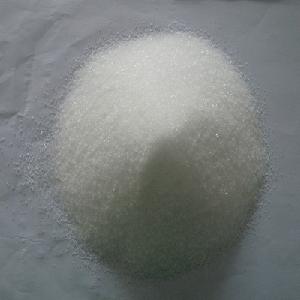
L-Cysteine hydrochloride monohydrate

L-Cysteine hydrochloride monohydrate offers distinct application advantages across various industries due to its unique chemical properties, such as the presence of a reactive thiol group (-SH), solubility, and stability under specific conditions. Below is a detailed breakdown of its advantages in key sectors:
1. Food Industry: Functional and Nutritional Benefits
Antioxidant and Shelf-Life Extension
Prevents Oxidative Degradation: The thiol group scavenges free radicals, inhibiting lipid oxidation in fats/oils and browning in fruits/vegetables. For example:
Added to baked goods (e.g., bread, cookies) to prevent rancidity and extend shelf life.
Used in meat products (e.g., sausages) to maintain color and reduce preservative needs.
Yeast Activity Modulation: In bread making, it acts as a dough conditioner, breaking disulfide bonds in gluten to improve elasticity and reduce mixing time.
Nutritional Enhancement
Essential Amino Acid Precursor: Converted to L-cysteine, which is vital for protein synthesis, glutathione production (antioxidant), and immune function.
Fortification in Processed Foods: Added to infant formulas, energy bars, and beverages to boost nutritional value.
Acidity Regulation and Flavor
Buffering Capacity: Maintains pH stability in acidic foods (e.g., canned fruits, soft drinks).
Flavor Modification: Enhances umami taste in seasonings or masks bitter flavors in certain processed foods.
2. Pharmaceutical and Healthcare: Therapeutic and Formulation Advantages
Drug Synthesis and Intermediates
Key Building Block for Peptides and Drugs: Used in synthesizing medications like acetaminophen antidotes (N-acetylcysteine), antiviral agents, and anticancer drugs.
Antioxidant in Pharmaceutical Formulations: Protects active ingredients from oxidation, improving stability in creams, tablets, or injectables.
Therapeutic Applications
Mucolytic Agent: In respiratory medications, breaks down mucus in cystic fibrosis or bronchitis treatments.
Detoxification and Liver Protection: Promotes glutathione production, aiding in liver detoxification (e.g., for acetaminophen overdose) and reducing oxidative stress.
Nutraceuticals and Supplements
Dietary Supplements: Sold as a standalone supplement for skin health, hair growth, or exercise recovery (due to its role in glutathione synthesis).
Stability in Liquid Formulations: High water solubility allows easy incorporation into oral solutions or IV drips.
3. Cosmetics and Personal Care: Formulation and Functional Benefits
Antioxidant and Anti-Aging Properties
Skin Protection: Scavenges free radicals to prevent UV-induced damage, reduce wrinkles, and maintain skin elasticity.
Hair Care: Used in shampoos and conditioners to strengthen hair (by supporting keratin synthesis) and prevent breakage.
Stability and Formulation Ease
Solubility in Aqueous Systems: Easily integrates into lotions, serums, or masks without causing texture issues.
pH Regulation: Adjusts acidity in skincare products to match the skin’s natural pH (5.5), reducing irritation.
Color and Odor Control
Prevents Discoloration: In hair dyes, stabilizes pigments to maintain color vibrancy.
Odor Masking: Neutralizes unpleasant smells in deodorants or body washes.
4. Chemical and Industrial Applications: Reactive and Functional Advantages
Chemical Synthesis and Catalysis
Thiol Group Reactivity: Used in organic synthesis for thiolation reactions, polymer modification, or as a reducing agent.
Electroplating and Metal Processing: Complexes with metal ions (e.g., copper, silver) to improve plating uniformity and prevent corrosion.
Biotechnology and Research
Cell Culture Media Additive: Supports cell growth in vitro by providing sulfur-containing compounds for protein synthesis.
Enzyme Stabilizer: Protects thiol-dependent enzymes (e.g., proteases) from denaturation in research assays.
5. Feed Industry: Nutritional and Feed Preservation
Animal Nutrition Enhancement
Essential Amino Acid for Livestock: Improves protein efficiency in poultry, swine, and fish feed, promoting growth and reducing feed costs.
Immune System Support: Enhances glutathione levels in animals, boosting disease resistance.
Feed Preservation
Antioxidant in Animal Feed: Prevents lipid oxidation in fatty feeds (e.g., fish oil supplements), maintaining nutritional value.
Other supplier products
|
|
L-Methionine |
Industrial Biotechnology: Used as a precursor in the synthesis of bioactive molecules (e.g., S-adenosylmethionine, glutathione) for biopharmaceutic... |
|
|
L-Methionine |
As one of the nine essential amino acids, L-Methionine is a core building block for protein synthesis, serving two critical purposes: It acts as th... |
|
|
DL-Alanine |
Due to its mild sweetness and low calorie content, DL-Alanine is used as apartial sugar substitutein low-sugar or sugar-free foods, helping to main... |
|
|
L-Lysine monohydrochloride |
Melting Point and Thermal Properties of L-Lysine monohydrochloride
Melting point (decomposition point): 263–264 °C (dec.). L-lysine mono... |
|
|
L-Lysine monohydrochloride as nutrient additives |
Free L-lysine is highly hygroscopic—it absorbs atmospheric moisture rapidly at relative humidity (RH) >60%, leading to caking, agglomerati... |
供应产品
Same products