L-Threonine
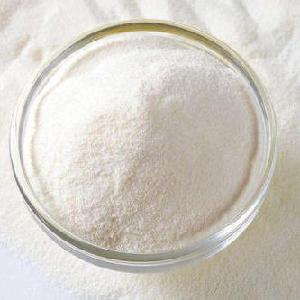
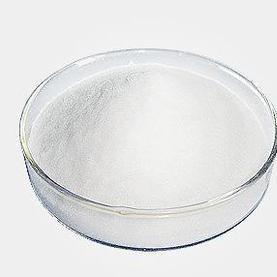
Physical Properties of L-Threonine Molecular Formula C₄H₉NO₃ (molecular weight: 119.12 g/mol). Appearance and State White to off-white crystalline powder. Odorless with a slightly sweet taste. Melting Point Approximately 256–258 °C (decomposes upon heating). Solubility Soluble in water (approx. 20 g/100 mL at 25 °C). Insoluble in organic solvents like ethanol, ether, and chloroform. Optical Activity Exhibits optical activity as a chiral amino acid. Specific rotation [α]ₙ²⁰: +28.5° to +31.0° (in 5% aqueous hydrochloric acid). Density Approximate density: 1.39 g/cm³ (solid state). pH of Aqueous Solution Neutral aqueous solutions have a pH around 5.0–6.5, depending on concentration.
Other supplier products
|
|
L-Threonine |
Physical Properties of L-Threonine Molecular Formula C₄H₉NO₃ (molecular weight: 119.12 g/mol). Appearance and State White to off-white crystalline ... |
|
|
Sucralose Partners, long-termCooperation |
Sucralose is currently a widely used high-potency sweetener globally. Its safety has been verified through decades of toxicological studies, animal... |
|
|
The Application of Inositol in the Food Industry |
Inositol, as a natural and safe functional food ingredient and a vital vitamin‑like nutrient, has been widely applied in the modern food industry d... |
|
|
L-Methionine |
The methylthio group in L-Methionine is activated to form S-adenosylmethionine (SAM), the body’s "universal methyl donor," participating in o... |
|
|
Transport method of Inositol |
Transport Method of Inositol 1. Basic transport properties Inositol is a stable, non-toxic, non-flammable and non-explosive white crystalline powde... |
供应产品
Same products