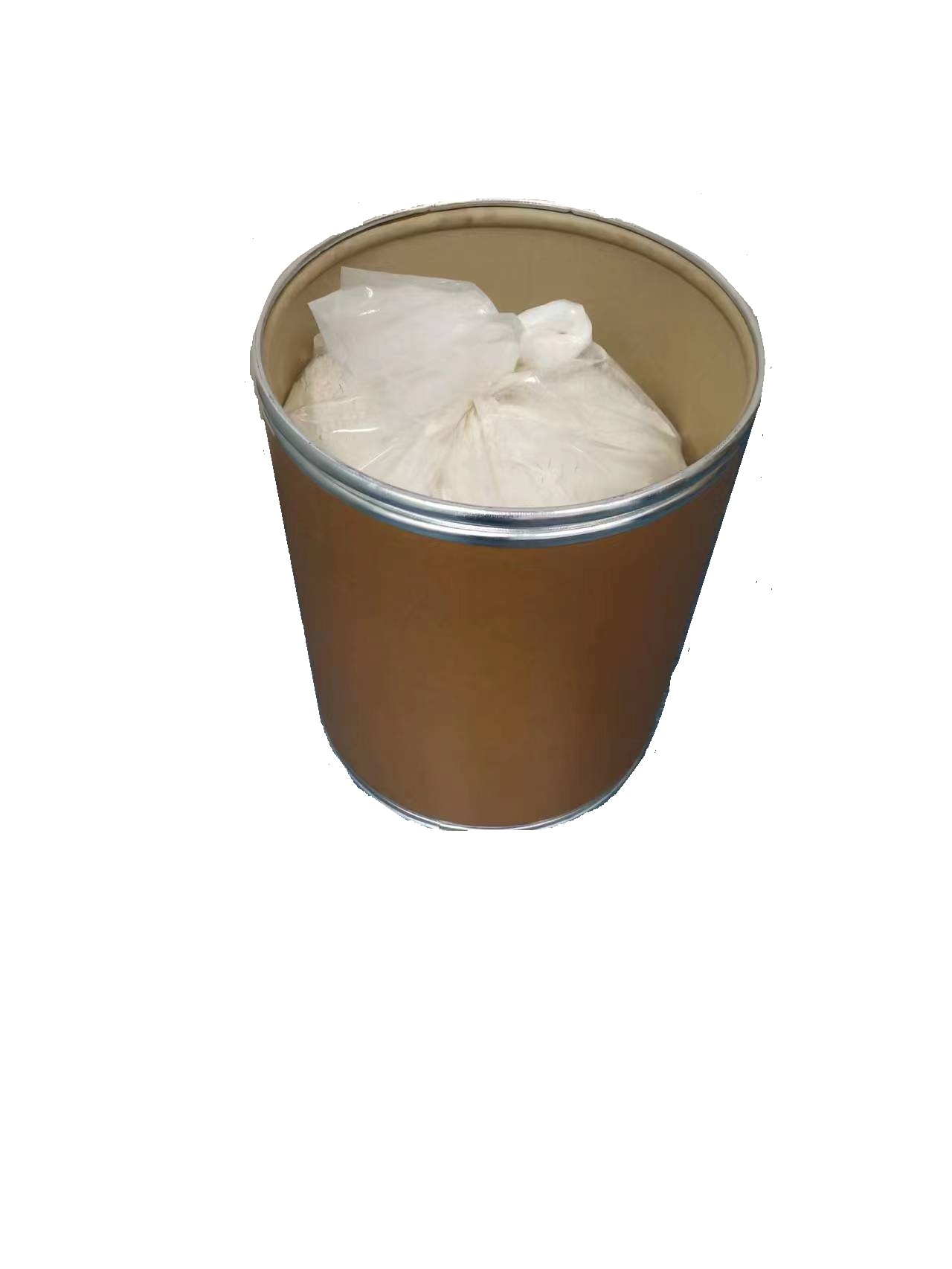
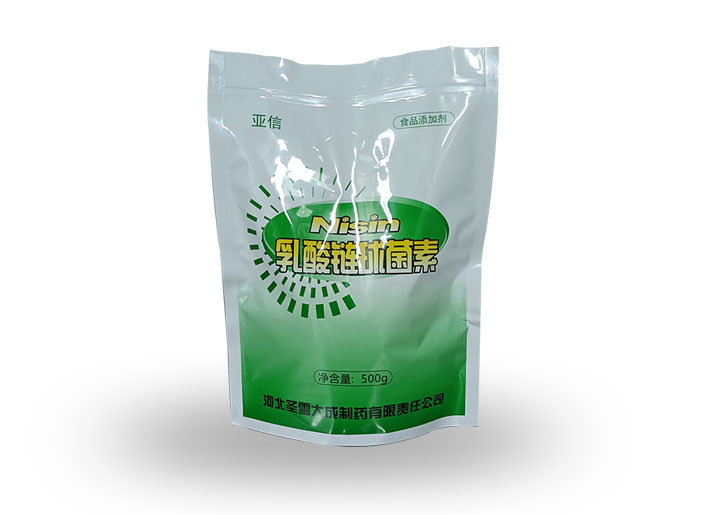
Nisin Powder Supplier

Advantages in Food Applications
Natural Origin: Derived from bacteria, it aligns with consumer demand for "clean label" ingredients, avoiding synthetic chemicals.
Safety: Approved by global regulatory bodies (e.g., FDA, EFSA) with no observed toxicity; it is digested into amino acids in the human gut, leaving no residues.
Heat Stability: Retains activity after high-temperature processing (e.g., pasteurization, sterilization), making it suitable for shelf-stable foods.
Targeted Activity: Specifically inhibits Gram-positive bacteria, minimizing disruption to beneficial microbes (e.g., in fermented foods) compared to broad-spectrum chemical preservatives.
Limitations and Mitigation
Narrow Spectrum: Ineffective against Gram-negative bacteria, molds, and yeasts. It is often combined with other preservatives (e.g., EDTA to disrupt Gram-negative outer membranes, or sorbates for fungi) to broaden coverage.
pH Sensitivity: Less stable in alkaline foods (pH > 7). Its use is primarily restricted to acidic or neutral foods (pH 2–6), though microencapsulation can improve stability in varied matrices.
Dosage Constraints: Overuse may select for resistant bacteria, so it is used at regulated levels (typically 100–500 IU/g, depending on the food).
Other supplier products
|
|
Nisin |
Nisin is odorless and compatible with meat components (proteins, fats, spices), so it does not alter the original flavor, color, or texture of meat... |
|
|
Nisin in Food Preservation |
Core Advantages of Nisin in Food Preservation Natural and Safe: Produced by lactic acid bacteria, non-toxic, and exempt from ADI (Acceptable Daily ... |
|
|
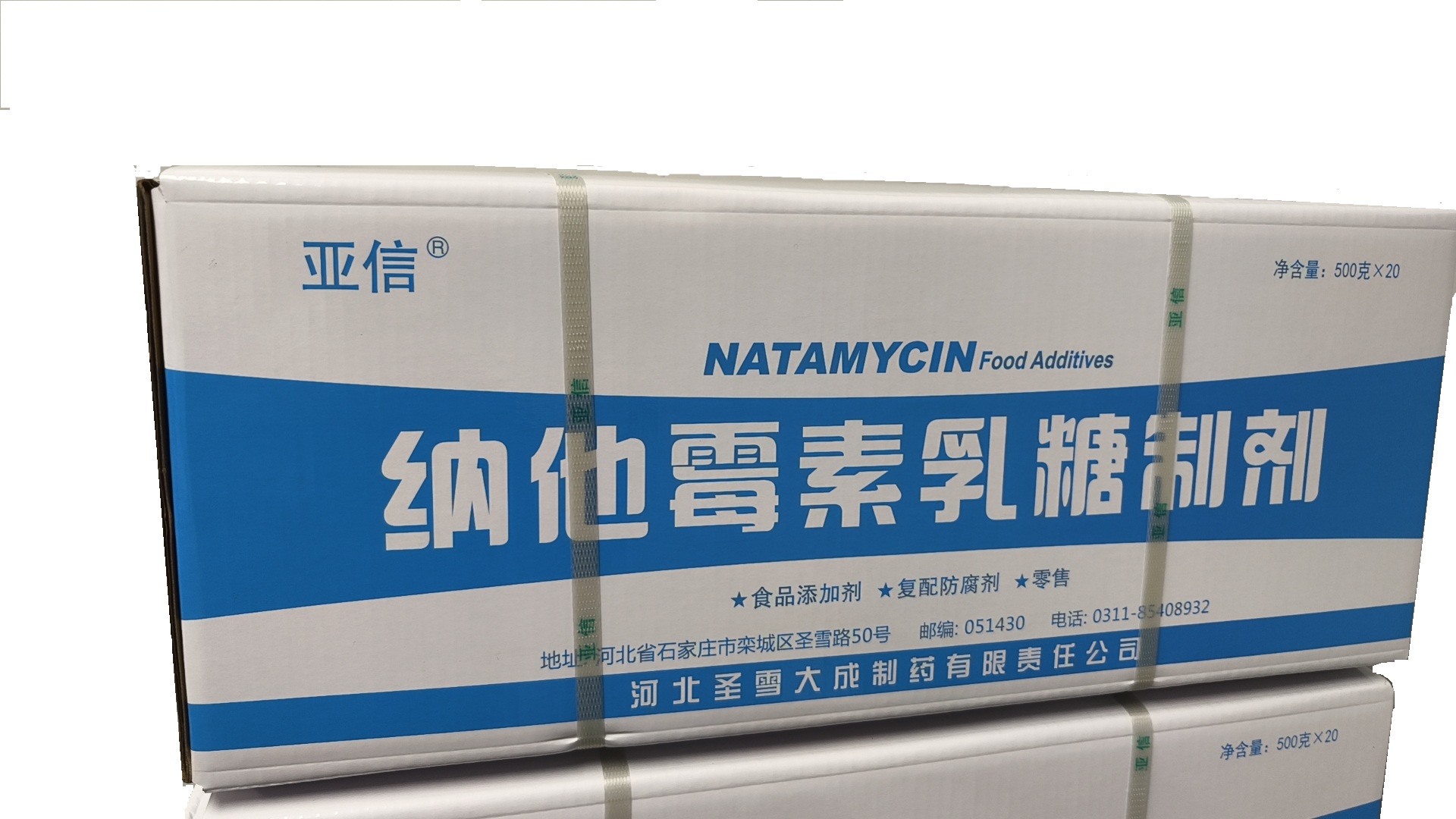
Bulk supply Natamycin |
Natamycin differs from other food preservatives in the scope of use:
Natamycin: In China, it is allowed to be used in cheese, pastries, sauces and ... |
|
|
ε-Polylysine hydrochloride |
ε-Polylysine hydrochloride is widely used in the food industry as a natural preservative due to its strong antimicrobial properties. It is ... |
|
|
Nisin |
Nisin is a natural polypeptide antibacterial substance produced by Streptococcus lactis. Its acute oral toxicity in rats is LD₅₀ > 2000 mg/kg bo... |
供应产品
Same products