DL-Alanine
DL-Alanine is not a direct, primary food preservative like traditional preservatives (e.g., Nisin, sodium benzoate, potassium sorbate) whose core function is to directly inhibit the growth of spoilage bacteria, molds, or yeasts to prevent food deterioration. However, it can indirectly contribute to extending food shelf life through specific mechanisms related to its chemical properties, though this effect is secondary and less potent than dedicated preservatives. DL-Alanine cannot be used as a food preservative in the traditional sense. It lacks direct antimicrobial activity and cannot replace dedicated preservatives to prevent microbial spoilage. While it may indirectly extend shelf life through mild water activity modulation or antioxidant synergy, these effects are auxiliary and far less impactful than those of purpose-built preservatives. In food production, DL-Alanine’s primary roles remain flavor enhancement, nutritional supplementation, and texture improvement.
Other supplier products
|
|
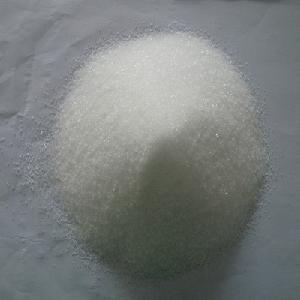
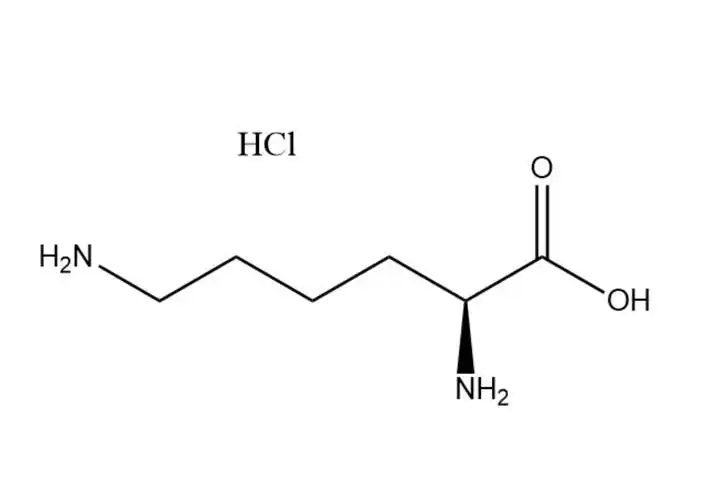
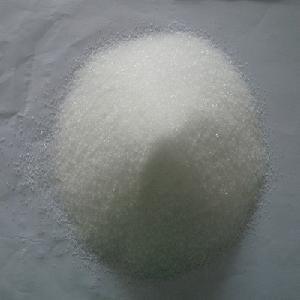
L-Lysine monohydrochloride as nutrient additives |
Free L-lysine is highly hygroscopic—it absorbs atmospheric moisture rapidly at relative humidity (RH) >60%, leading to caking, agglomerati... |
|
|
DL-Alanine |
The defining feature of a direct food preservative is its ability to target and inhibit the metabolic processes or structural integrity of microorg... |
|
|
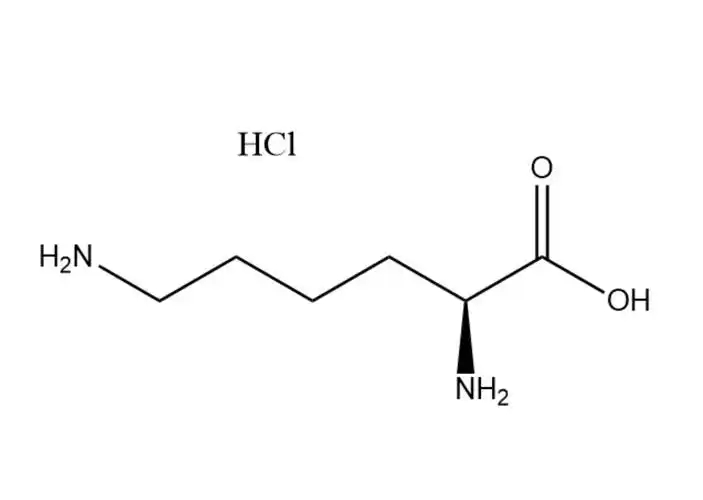
L-lysine monohydrochloride |
L-lysine monohydrochloride is one of the most stable amino acid salts in industrial applications, with excellent stability in solid form and good s... |
|
|
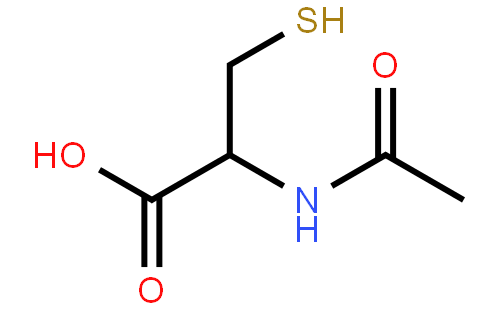
N-Acetyl-L-Cysteine |
Uses of N-Acetyl-L-Cysteine 1. Antioxidant Support: ·NAC replenishes glutathione levels, which helps neutralize free radicals and reduce oxi... |
|
|
DL-Alanine |
DL-Alanine’s uses span multiple fields, leveraging its amino acid properties and cost-effectiveness (it is often cheaper to produce than pure... |
供应产品
Same products