Sucralose

Sucralose is a trichloro derivative of sucrose (4,1',6'-trichloro-4,1',6'-dideoxy-galactosucrose), and its physical properties are influenced by the electronegativity and steric hindrance of the chlorine atoms in the molecule, making it highly water-soluble but poorly lipid-soluble.
Sucralose has the physical properties of being non-hygroscopic, highly water-soluble, heat-resistant, and acid-resistant. These are the core reasons why it can be widely used in food processing such as beverages, baking, and dairy products.
Sucralose is non-hygroscopic (RH < 80%), and does not clog or deteriorate under normal storage conditions.
The optical stability of Sucralose: It has good stability under the pH commonly used in food (3-5) and at room temperature; under long-term strong ultraviolet irradiation or high temperature and high humidity, the color slightly darkens, but the sweetness remains basically unchanged.
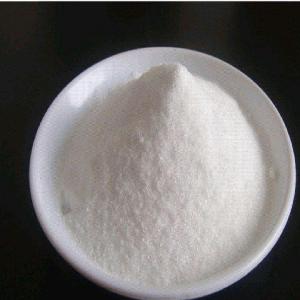
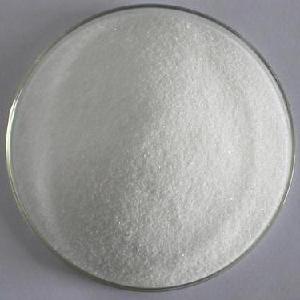
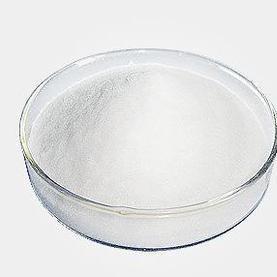
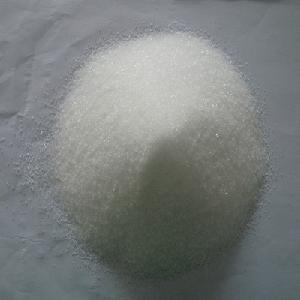
Sucralose is monoclinic crystalline, and can be obtained as high-purity needle-like or prism-like crystals through recrystallization. Its sweetness is approximately 600 times that of sucrose (400-800 times, affected by concentration, temperature, and pH), and the sweetness curve is close to that of sucrose, with no obvious after-sour or after-astringent taste.
Other supplier products
|
|
L-Lysine monohydrochloride |
Density and Refractive Index of L-Lysine monohydrochlorideBulk density: 0.6–0.8 g/cm³ (crystalline powder); tap density: 0.8–1.0 g... |
|
|
L-Methionine |
As one of the nine essential amino acids, L-Methionine is a core building block for protein synthesis, serving two critical purposes: It acts as th... |
|
|
Glycine |
In the field of biological research and laboratories, glycine is one of the most commonly used biochemical reagents. It is the basic monomer for pr... |
|
|
Specific Application Fields of Inositol |
Specific Application Fields of Inositol 1. Food and Functional Nutrition Industry As a natural nutritional fortifier and vitamin B-group substance,... |
|
|
DL-Alanine |
DL-Alanine can interact with proteins and starches in food, modifying their structure to improve texture and stability—especially in processe... |
供应产品
Same products